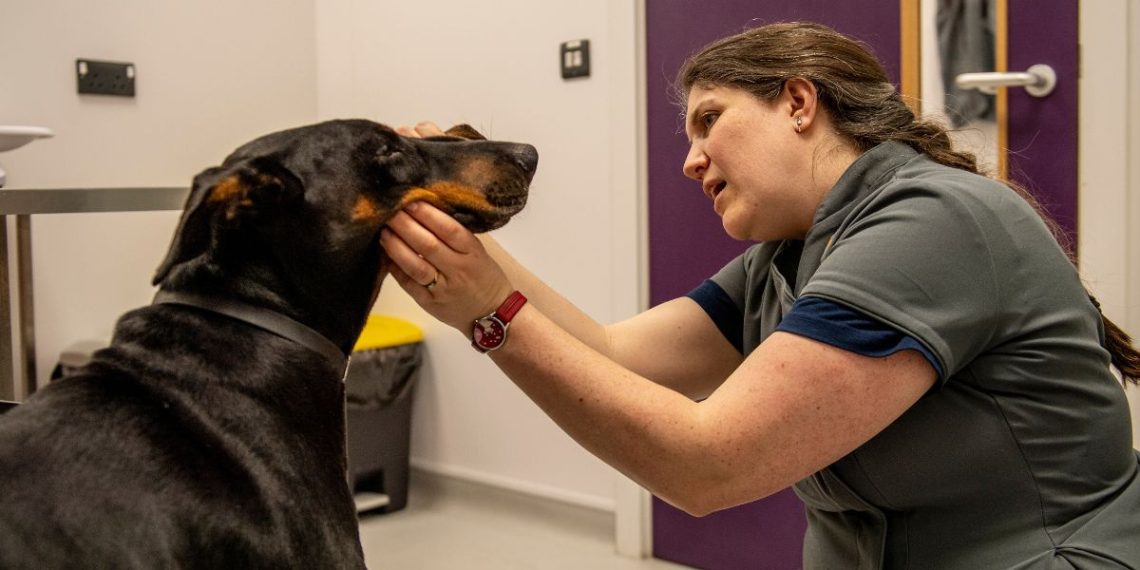
Daily comfort shapes how pets behave, rest, eat, and connect with the people around them. I notice right away when small adjustments make a difference because pets respond quickly to feeling secure and relaxed. Comfort is not about luxury items or complicated routines, but about paying attention to details that often get overlooked. The goal is to make everyday life feel predictable, safe, and supportive.
Pets do not always show discomfort in obvious ways. Subtle changes in posture, energy, or habits often point to small issues that build over time. By focusing on daily comfort, I reduce stress before it becomes a problem. These simple steps create a calmer environment and strengthen the bond I share with the animals in my care.
Paying Attention to Resting Areas
Where a pet rests has a major impact on overall comfort. I always evaluate sleeping spaces based on temperature, noise, and surface support rather than appearance. A bed that looks appealing to humans may not feel good on joints or provide enough insulation.
Soft but supportive bedding helps pets relax fully instead of constantly shifting positions. Placement matters just as much as the bed itself. Quiet corners away from heavy foot traffic allow deeper rest and reduce anxiety throughout the day.
Cleanliness also affects comfort more than many people realize. Regularly washing bedding removes odors, allergens, and buildup that irritate skin. A clean resting area helps pets settle more easily and sleep better.
Maintaining a Comfortable Indoor Temperature
Indoor temperature affects pets differently than humans. I pay attention to how pets seek warmth or cool surfaces because behavior often reveals discomfort before symptoms appear. Adjusting thermostats, airflow, and room access can make a noticeable difference.
Drafts near windows or doors often go unnoticed by people but feel uncomfortable to pets lying close to the floor. Blocking these areas or moving beds away improves warmth and security. During warmer periods, shaded areas and good ventilation prevent overheating.
Consistency matters more than perfection. Sudden temperature changes disrupt comfort and routines. A stable indoor environment supports both physical comfort and emotional calm.
Improving Floor Comfort and Traction
Flooring plays a bigger role in daily comfort than many expect. Hard, slippery surfaces can cause tension as pets struggle to maintain balance. I often notice pets avoiding certain rooms because the floors feel unsafe.
Adding rugs or mats creates secure pathways and reduces joint strain. This is especially helpful for older pets or those recovering from injuries. Stable footing allows confident movement and prevents unnecessary stress.
Floor temperature also matters. Cold tiles or overly warm surfaces can make rest uncomfortable. Simple adjustments help pets move and rest more naturally throughout the day.
Supporting Comfortable Movement
Movement should feel easy and natural, not cautious or strained. I observe how pets stand up, lie down, and walk to spot early signs of discomfort. Hesitation often indicates stiffness or environmental challenges.
Ramps or steps reduce strain when accessing furniture or vehicles. These small additions prevent repeated jumping that stresses joints over time. Comfort improves when movement feels predictable and safe.
Daily gentle activity keeps muscles flexible without causing fatigue. Balanced movement supports comfort by preventing stiffness and restlessness. The goal is steady motion without pressure.
Creating a Calm Feeding Experience
Mealtime comfort goes beyond nutrition. I focus on the environment, timing, and setup of feeding areas. A calm feeding space encourages relaxed eating and proper digestion.
Bowls placed at the right height reduce neck strain. Stable bowls prevent sliding, which can cause frustration or hesitation. Quiet surroundings help pets focus on eating instead of guarding food.
Consistent feeding schedules add predictability. Predictability reduces anxiety and improves appetite. Comfort at mealtime supports both physical health and emotional well-being.
Enhancing Water Access and Hydration Comfort
Access to fresh water affects comfort more than many realize. I ensure water bowls are easy to reach and placed in familiar locations. Pets drink more readily when access feels effortless.
Clean water improves willingness to drink. Bowls are refreshed often to avoid odors or residue. Some pets prefer wide bowls that do not touch their whiskers, which improves comfort significantly.
Hydration supports digestion, temperature regulation, and skin health. Comfortable access encourages healthy habits without stress or force.
Reducing Environmental Noise and Stress
Noise levels influence daily comfort, especially for sensitive pets. Loud or unpredictable sounds disrupt rest and increase anxiety. I pay attention to background noise that humans often tune out.
Soft furnishings help absorb sound. Closing windows during heavy traffic or loud weather reduces stress. Calm environments support better sleep and emotional balance.
Predictable noise patterns feel less stressful than sudden disruptions. Routine sounds become familiar, while random loud events can cause ongoing tension. Managing noise improves overall comfort.
Improving Lighting for Daily Comfort
Lighting affects mood, sleep cycles, and activity levels. I avoid harsh lighting in areas where pets rest. Soft, natural light supports calm behavior and better rest.
Pets benefit from access to daylight during active hours. Exposure to natural light helps regulate internal rhythms. Balanced lighting keeps energy levels steady throughout the day.
At night, dim lighting helps pets settle. Bright lights during rest periods can disrupt sleep. Thoughtful lighting supports comfort around the clock.
Supporting Skin and Coat Comfort
Skin comfort influences how pets feel constantly. Dryness, irritation, or matting cause ongoing discomfort even if pets do not vocalize it. I monitor coat condition closely.
Regular brushing removes debris and distributes natural oils. This improves skin health and prevents painful tangles. Grooming also strengthens trust and relaxation.
Bathing routines remain gentle and infrequent unless needed. Overwashing strips natural protection and leads to irritation. Balanced care keeps skin comfortable and resilient.
Making Daily Grooming Stress-Free
Grooming comfort depends on patience and routine. I focus on short, calm sessions rather than forcing tasks all at once. Positive experiences reduce long-term stress.
Using appropriate tools prevents pulling or irritation. Grooming becomes easier when pets feel safe and unhurried. Comfort increases when routines feel familiar.
Calm handling builds confidence. Over time, grooming becomes a bonding activity rather than a struggle. Emotional comfort matters as much as physical results.
Encouraging Mental Comfort Through Routine
Predictable routines support emotional comfort. Pets feel secure when they know what to expect each day. I keep daily schedules consistent whenever possible.
Regular times for meals, walks, and rest reduce anxiety. Sudden changes often cause confusion or stress. Stability supports relaxation.
Flexibility still matters, but structure provides a foundation. Comfort grows when routines offer reassurance. Balance keeps life engaging without chaos.
Providing Enrichment Without Overstimulation
Mental stimulation improves comfort when balanced correctly. Too little stimulation causes boredom, while too much creates stress. I aim for thoughtful engagement.
Toys, puzzles, and gentle training keep minds active. Rotating activities prevents overstimulation. Comfort comes from meaningful interaction, not constant excitement.
Quiet enrichment supports calm behavior. Mental engagement improves sleep quality and emotional health. Balance remains key.
Managing Personal Space and Boundaries
Comfort includes the ability to retreat. I make sure pets have spaces where they are not disturbed. Respecting boundaries builds trust and security.
Children and visitors sometimes overwhelm pets unintentionally. Clear resting areas prevent stress. Pets relax more when they control their space.
Choice enhances comfort. When pets decide where and when to interact, anxiety decreases. Autonomy supports emotional balance.
Supporting Digestive Comfort Daily
Digestive comfort affects energy, mood, and behavior. I pay attention to meal composition and timing. Consistency supports digestion.
Sudden diet changes disrupt comfort. Gradual transitions prevent upset stomachs. Stable digestion contributes to overall ease.
Observation helps catch issues early. Subtle changes in appetite or stool signal discomfort. Early response maintains comfort.
Maintaining Clean Living Spaces
Clean environments support comfort in ways pets cannot communicate. Odors, dirt, and clutter increase stress and irritation. I maintain cleanliness without harsh chemicals.
Litter areas, bedding, and feeding zones receive regular attention. Clean spaces encourage natural behaviors. Comfort improves with hygiene.
Fresh environments feel safer. Cleanliness supports both physical health and emotional calm. Simplicity matters.
Adapting Comfort as Pets Age
Comfort needs change over time. I adjust care as pets grow older or experience mobility changes. Flexibility prevents discomfort.
Senior pets benefit from softer bedding and warmer spaces. Activity levels adapt to energy changes. Comfort remains personalized.
Ongoing observation guides adjustments. Aging does not mean discomfort is inevitable. Thoughtful care preserves quality of life.
Supporting Comfort During Alone Time
Time alone affects comfort more than expected. I prepare environments to feel safe and familiar when pets are alone. Familiar scents and resting spots help.
Leaving background noise like soft music can reduce anxiety. Predictable departure routines reduce stress. Comfort continues even in absence.
Returning calmly reinforces security. Consistency builds confidence. Alone time becomes manageable rather than distressing.
Monitoring Behavior as a Comfort Indicator
Behavior reflects comfort levels daily. Changes often signal issues before physical symptoms appear. I observe patterns closely.
Restlessness, withdrawal, or irritability often indicate discomfort. Small adjustments usually resolve these changes. Attention prevents escalation.
Behavior provides constant feedback. Listening improves care. Comfort improves through awareness.
Small Adjustments That Add Up
Comfort improves through small, consistent changes rather than big gestures. I focus on details that affect daily life. Simple steps compound over time.
No single solution fits every pet. Individual needs guide decisions. Comfort becomes personal.
Daily attention builds trust. Pets respond quickly to care. Consistency transforms routines.
Final Thoughts
Improving daily comfort does not require drastic changes or expensive products. It relies on awareness, observation, and thoughtful adjustments that respect individual needs. By focusing on rest, movement, environment, and routine, I create a space where pets feel secure and relaxed.
Comfort shapes every aspect of a pet’s life. When daily needs are met with care and intention, behavior improves and stress fades. Simple actions, repeated consistently, make the biggest difference in how pets experience each day.