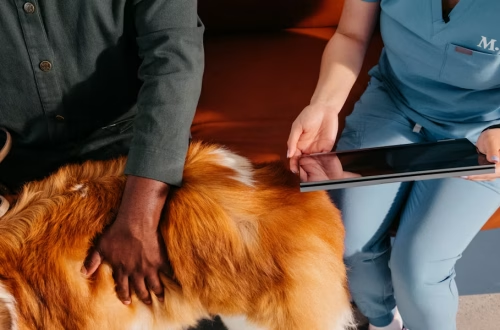
A pet’s well-being is shaped by hundreds of small, everyday moments rather than a single decision or product. I have come to see wellness as a lifestyle built through daily habits, consistent care, and thoughtful attention to both physical and emotional needs. Pets thrive when their lives feel balanced, predictable, and enriched. A wellness-focused lifestyle supports not only longevity but also the quality of each day they experience.
Wellness is not limited to food or exercise alone. It includes mental stimulation, emotional security, rest, movement, and social connection. Each element interacts with the others, creating a foundation that supports resilience and happiness. When these areas are nurtured together, pets tend to show calmer behavior, stronger immunity, and a deeper sense of contentment.
Daily Structure as the Foundation of Wellness
Structure gives pets a framework for understanding their world. Regular feeding times, walks, play sessions, and rest periods create a rhythm that feels safe and predictable. I have noticed that pets settle more easily when their days follow a familiar pattern. This consistency reduces stress and allows energy to be used more efficiently.
A structured day does not need to feel rigid. Flexibility can exist within a predictable framework. Small variations are easier for pets to handle when core routines remain steady. Daily structure acts as the backbone of a wellness-focused lifestyle.
Balanced Nutrition as Ongoing Support
Nutrition influences nearly every aspect of health, from energy levels to coat condition and digestion. Rather than focusing on trends, I pay attention to how food affects mood, appetite, and vitality over time. Consistent, balanced meals support stable energy throughout the day. Wellness grows when nutrition meets both physical needs and daily activity levels.
Meal timing matters as much as ingredients. Predictable feeding schedules support digestion and emotional comfort. Sudden changes often lead to restlessness or digestive upset. A steady approach to nutrition helps maintain internal balance and supports long-term health.
Movement That Fits Daily Life
Physical activity is essential, but wellness-focused movement is about more than intensity. I aim for regular activity that feels enjoyable and sustainable. Movement supports muscle tone, joint health, and cardiovascular strength. It also provides an outlet for natural energy and instincts.
Daily movement does not need to look the same every day. Some days call for longer walks or active play, while others benefit from gentle engagement. Adjusting activity to energy levels prevents strain. Consistent movement supports both physical strength and emotional stability.
Mental Engagement and Cognitive Health
Mental stimulation plays a crucial role in overall wellness. Pets need opportunities to think, explore, and solve problems. I incorporate activities that challenge the mind without overwhelming it. This balance prevents boredom and reduces anxiety-driven behaviors.
Cognitive engagement supports adaptability. Pets that regularly use their minds tend to handle new situations with greater confidence. Mental activity keeps the brain active across all life stages. A stimulated mind supports emotional balance and resilience.
Emotional Security and Trust
Emotional wellness is often overlooked, yet it influences behavior and health profoundly. Pets feel safest when interactions are predictable and respectful. I pay close attention to tone, body language, and timing during daily interactions. Calm, consistent responses help build trust.
Trust allows pets to relax fully in their environment. When emotional needs are met, stress responses decrease. This sense of security supports digestion, sleep, and immune function. Emotional stability forms a core part of a wellness-focused lifestyle.
Rest and Recovery as Essential Care
Rest is not inactivity; it is recovery. Pets require uninterrupted rest to restore energy and regulate emotions. I ensure that quiet, comfortable spaces are always available. Quality rest supports both physical repair and mental processing.
Sleep patterns often reflect overall wellness. Disrupted rest can signal stress or imbalance. Maintaining calm routines around rest times supports deeper sleep. Proper recovery strengthens resilience and daily functioning.
Grooming as a Wellness Practice
Grooming supports more than appearance. Regular brushing and care improve circulation and allow early detection of changes. I view grooming as a wellness check-in rather than a cosmetic task. These moments strengthen connection and trust.
Comfort during grooming matters. Gentle, consistent routines prevent stress. Grooming supports skin health and temperature regulation. It also reinforces a sense of care and attention.
Environmental Comfort and Stability
The home environment plays a significant role in daily wellness. Lighting, temperature, noise levels, and layout all influence comfort. I make small adjustments to support calm and accessibility. A stable environment helps pets feel secure.
Clutter and constant change can increase stress. Familiar surroundings promote confidence and relaxation. Environmental consistency supports emotional balance. A supportive home environment enhances overall well-being.
Social Interaction and Connection
Social needs vary by individual, but connection remains essential. Positive interaction builds confidence and emotional security. I prioritize quality over quantity when it comes to social engagement. Respecting boundaries supports trust.
Consistent interaction strengthens the human-animal bond. Pets that feel socially fulfilled tend to display fewer anxiety-related behaviors. Connection supports emotional health. Social wellness complements physical care.
Preventative Care as Lifestyle Maintenance
Preventative care supports long-term wellness. Regular observation helps identify subtle changes early. I focus on proactive habits rather than reactive solutions. This approach reduces stress and supports stability.
Preventative care includes routine checks and attention to behavior. Wellness-focused living emphasizes early support. Small adjustments often prevent larger issues. Consistency strengthens health over time.
Adaptability Without Losing Stability
Life changes are inevitable, but wellness depends on how those changes are handled. I aim to maintain familiar anchors during transitions. Predictable routines provide reassurance. Adaptability becomes easier when stability remains present.
Pets respond best when change feels manageable. Gradual adjustments reduce stress. Balancing flexibility with consistency supports resilience. A wellness-focused lifestyle allows room for change without sacrificing security.
Supporting Wellness Through All Life Stages
Wellness needs evolve over time. Young pets require different support than seniors. I adjust routines, activity, and engagement as needs change. Age-aware care supports comfort and longevity.
Gentle movement and mental engagement remain important throughout life. Tailoring care to life stage prevents strain. A wellness-focused lifestyle grows alongside the pet. Thoughtful adaptation supports quality of life.
Behavior as a Wellness Indicator
Behavior often reflects internal balance. Changes in mood, activity, or habits can signal wellness shifts. I treat behavior as communication rather than a problem. Observing patterns helps guide care adjustments.
Responding calmly to behavior builds trust. Addressing underlying needs supports balance. Behavior offers valuable insight into emotional and physical health. Listening strengthens the bond and supports wellness.
Consistency in Caregiver Energy
Pets are sensitive to human energy and emotion. Calm, consistent behavior from caregivers supports emotional stability. I remain mindful of my responses, especially during stressful moments. Emotional regulation influences pet wellness directly.
Predictable responses reduce confusion. Calm interactions support trust. Caregiver consistency enhances emotional safety. This awareness supports a wellness-focused lifestyle.
Enrichment That Supports Balance
Enrichment should support wellness rather than overstimulation. I rotate activities to maintain interest without overwhelm. Balanced enrichment supports curiosity and confidence. Variety keeps engagement fresh.
Enrichment supports both mental and emotional health. Short, positive sessions work best. Ending activities calmly reinforces balance. Thoughtful enrichment complements daily routines.
Building Habits That Last
Wellness-focused living relies on habits rather than occasional efforts. Small, daily actions accumulate over time. I focus on sustainability rather than perfection. Consistent habits support long-term health.
Building habits requires patience. Progress may be gradual. Wellness grows through repetition. Lasting care comes from steady commitment.
Recognizing the Role of Patience
Wellness is not immediate. Changes take time to show results. I remind myself to be patient and observant. Rushing adjustments often increases stress.
Patience supports trust. Gradual improvement strengthens resilience. A wellness-focused lifestyle values progress over speed. Calm persistence yields lasting benefits.
Integrating Wellness Into Everyday Life
Wellness does not require special occasions. It exists within ordinary routines. I integrate care into daily life naturally. This approach makes wellness sustainable.
Everyday moments matter. Simple consistency builds balance. Wellness becomes part of the relationship. Daily integration supports long-term happiness.
Final Thoughts
Building a wellness-focused lifestyle for your pet is an ongoing process shaped by attention, consistency, and care. Physical health, emotional security, mental engagement, and rest all work together to support overall well-being. When these elements align, pets tend to feel calmer, healthier, and more connected.
A wellness-focused lifestyle is not about perfection. It is about awareness and steady support through everyday choices. By nurturing balance and trust, it becomes possible to support a life that feels safe, enriched, and fulfilling. This commitment strengthens the bond and supports lasting wellness.