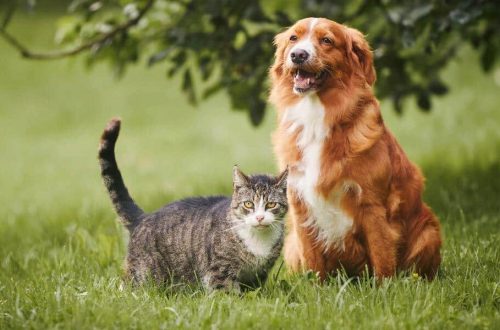
Life in a multi-pet household moves fast, feels loud at times, and never looks the same two days in a row. Sharing a home with more than one pet means juggling personalities, habits, energy levels, and comfort needs all at once. I have learned that harmony does not happen by accident in these environments. The right accessories play a quiet but powerful role in keeping daily life calm, organized, and fair for every animal under the same roof.
Living with multiple pets also changes how you see space and routine. Items that work perfectly for a single pet often fall short once you add another set of paws. Accessories must reduce competition, prevent stress, and support individual needs without turning the house into chaos. Over time, I realized that investing in the right tools upfront saves endless frustration later.
Separate Feeding Stations That Prevent Conflict
Food is one of the biggest sources of tension in multi-pet homes. Even pets who get along well can become territorial when meals are involved. Separate feeding stations give each animal a clear, personal space where they can eat without feeling rushed or threatened. This alone can prevent many behavioral issues before they start.
Elevated feeders, corner bowls, or designated feeding mats help define boundaries. I noticed that pets relax more when they know no one will steal their food. Consistency in placement matters just as much as separation. Feeding pets in the same spots every day reinforces routine and reduces anxiety.
Timed feeders add another layer of structure, especially when pets have different dietary needs. These accessories remove human error from the equation and keep feeding schedules predictable. Predictability builds trust and minimizes competition. Calm meals set the tone for the rest of the day.
Individual Beds And Resting Areas
Shared sleeping spaces rarely work long-term, even for bonded pets. Each animal needs a place that belongs only to them. Individual beds allow pets to rest without guarding their space or negotiating comfort. I found that giving every pet their own bed reduced tension during downtime.
Beds should reflect each pet’s size, age, and sleep habits. Older pets often prefer orthopedic support, while younger ones might want softer or more enclosed designs. Placement matters as much as the bed itself. Spreading resting areas throughout the home prevents crowding and gives pets options.
Respecting these spaces is essential. Allowing pets to claim their beds without interruption reinforces a sense of ownership. Over time, these personal zones become emotional safe spots. A well-rested pet is far less likely to spark conflict.
Multiple Litter Boxes Or Bathroom Solutions
Bathroom access is another common flashpoint in multi-pet households. Sharing a single litter box or potty area creates stress and avoidance behaviors. Providing multiple options reduces competition and encourages healthy habits. The general rule of having more boxes than pets has proven reliable in my experience.
Placement should prioritize privacy and accessibility. Boxes tucked into quiet corners are used more consistently. Cleaning frequency matters even more when multiple pets share spaces. A clean environment prevents territorial behavior and health issues.
For dogs, designated potty areas or scheduled rotations help maintain order. Accessories like washable mats or odor-controlling trays make maintenance easier. Clear systems reduce accidents and stress for everyone involved. Consistency is the key to success here.
Toys That Reduce Competition
Toys can either entertain or ignite rivalry depending on how they are managed. In multi-pet homes, quantity and variety matter more than novelty. Having duplicates of favorite toys prevents guarding behavior. I noticed fewer disputes once every pet had access to similar items.
Interactive toys that encourage parallel play work especially well. Puzzle feeders, chew toys, and activity mats keep pets occupied without forcing interaction. These toys redirect energy into focused engagement. Mental stimulation reduces boredom-related conflict.
Rotation keeps toys interesting without overwhelming the space. Introducing toys during calm moments reinforces positive associations. Removing damaged items prevents frustration and injury. Thoughtful toy management supports both play and peace.
Leashes, Harnesses, And Walk Gear For Multiple Pets
Walking multiple pets requires accessories that prioritize control and comfort. Using the same leash or harness style for different animals rarely works well. Each pet moves differently and responds to pressure in unique ways. Properly fitted gear makes outings safer and less stressful.
Hands-free leashes or splitters can be helpful with compatible pets. These accessories allow better balance and reduce tangling. However, they only work when pets have similar walking styles. Mixing mismatched energy levels often leads to frustration.
Reflective gear and color-coded accessories help with quick identification. This is especially useful during busy outings or training sessions. Clear systems reduce confusion and keep everyone safe. Calm walks start with the right equipment.
Storage Accessories That Maintain Order
Clutter builds quickly in multi-pet households. Accessories that support organization make daily routines smoother. Dedicated storage bins for food, toys, and grooming tools prevent mix-ups. I found that organization reduced both stress and wasted time.
Labeling storage areas helps maintain consistency. Each pet’s items stay where they belong. This clarity is especially helpful when pets have different needs or schedules. Order supports fairness and routine.
Easy-access storage encourages regular use and cleaning. Accessories that are hard to reach often get ignored. Simple systems are easier to maintain long-term. A tidy environment benefits both pets and people.
Grooming Tools For Shared Spaces
Grooming multiple pets requires tools that are efficient and adaptable. Brushes, nail clippers, and wipes should suit different coat types and sizes. Sharing grooming tools without proper cleaning can spread skin issues. Having dedicated tools for each pet is often worth the investment.
Portable grooming accessories make sessions less stressful. I noticed better cooperation when grooming happened in familiar spaces. Non-slip mats and calming restraints improve safety. Short, regular sessions work better than long ones.
Storage and cleaning routines matter here as well. Clean tools last longer and perform better. Consistency builds tolerance and trust over time. Grooming becomes a bonding activity rather than a chore.
Crates And Containment Accessories
Crates and playpens are invaluable in multi-pet households when used correctly. These accessories provide personal space without isolation. I use them to manage energy levels, introduce new pets, or give animals a break from each other. Proper sizing and placement make all the difference.
Crates should feel safe, not punitive. Soft bedding and familiar scents encourage voluntary use. Leaving doors open during calm periods reinforces positive associations. Pets who trust their crates settle faster when needed.
Playpens create flexible boundaries without complete separation. They allow visibility while limiting access. This is especially useful during feeding, training, or recovery from illness. Thoughtful containment supports harmony without stress.
Travel Accessories For Multiple Pets
Traveling with multiple pets adds layers of complexity. Accessories that keep pets secure and comfortable are essential. Separate carriers or seat restraints prevent movement and reduce anxiety. I found that familiar travel gear made transitions smoother.
Car seat covers, dividers, and portable water bowls simplify logistics. These accessories protect the vehicle and maintain routine. Predictability reduces stress during travel. Calm travel begins before the engine starts.
Preparation matters more than distance. Introducing travel accessories at home builds familiarity. By the time travel happens, the gear already feels safe. That familiarity reduces tension and reactivity.
Training Accessories That Support Consistency
Training multiple pets requires clear signals and consistent tools. Using different cues or accessories for each pet can cause confusion. Coordinated training gear helps reinforce shared rules. I noticed faster progress when expectations were consistent.
Clickers, treat pouches, and training mats work well in group settings. These accessories help manage timing and focus. Individual sessions combined with group practice build balance. Fairness prevents resentment.
Storage and accessibility matter here too. Training tools should be easy to grab. Consistency depends on convenience. The easier the tools are to use, the more often they get used.
Feeding And Hydration Accessories For Shared Homes
Water stations often get overlooked in multi-pet households. Multiple bowls placed throughout the home reduce crowding. Fresh water access encourages healthy hydration. I noticed fewer disputes once water was no longer a shared bottleneck.
Non-slip bowls and spill-resistant designs keep areas clean. Cleanliness supports health and reduces stress. Pets are more likely to drink when bowls feel safe. Small details make a big difference.
Automatic water fountains can support multiple pets when properly sized. Flowing water attracts interest and stays fresher longer. Regular cleaning ensures safety. Reliable hydration supports overall well-being.
Managing Space With Multi-Pet Accessories
Space management becomes an art with multiple pets. Accessories that define zones help pets understand boundaries. Gates, room dividers, and furniture covers protect both animals and home. I found that clear zones reduced tension during busy moments.
Visual barriers give pets space without isolation. This is especially useful during high-energy times. Pets can relax without constant interaction. Controlled access supports emotional balance.
Flexibility matters as household dynamics change. Adjustable accessories adapt to new routines. Investing in adaptable tools prevents frequent replacements. A flexible setup grows with the household.
Long-Term Benefits Of The Right Accessories
The right accessories do more than solve immediate problems. Over time, they shape behavior, routine, and relationships. I noticed fewer conflicts and more relaxed interactions as systems settled into place. Structure creates security.
Pets thrive when expectations are clear and resources feel fair. Accessories support that fairness quietly and consistently. They reduce competition and support individuality. Balanced households feel calmer for everyone.
Investing thoughtfully saves time and stress in the long run. Replacing poorly chosen items costs more than choosing well from the start. Quality accessories support harmony day after day. Peaceful coexistence is built through small, consistent choices.
Final Thoughts
Multi-pet households thrive on structure, fairness, and thoughtful preparation. Accessories play a crucial role in maintaining balance and reducing stress. Each item supports routine, comfort, and clarity in its own way.
Paying attention to individual needs while supporting shared spaces creates harmony. Over time, the right accessories turn chaos into rhythm. A well-equipped home allows every pet to feel secure, respected, and at ease.