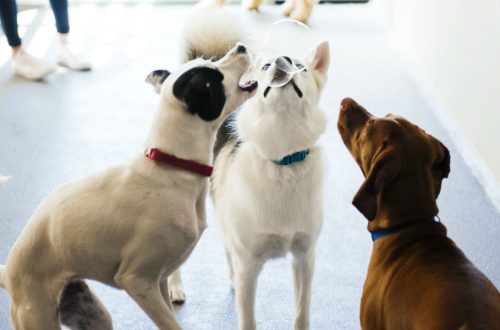
Pets have energy, curiosity, and an impressive talent for getting into trouble when boredom sets in. I have learned that most unwanted behaviors inside the home are not rooted in bad habits but in unmet mental and physical needs. Scratched furniture, chewed shoes, and overturned cushions often point to one simple issue: a pet with nothing productive to do. The right toys can redirect that energy in ways that protect both the pet’s well-being and the condition of the home.
Not all toys are created equal, and some actually contribute to mess and destruction rather than preventing it. Over time, I have paid close attention to which toys truly hold attention, last longer than a few days, and encourage calm engagement instead of chaos. This article explores toys that keep pets busy in healthy ways while minimizing damage, noise, and clutter. Each category focuses on practical options that work in real homes, not just in ideal situations.
Why Boredom Leads to Destructive Behavior
Boredom affects pets more deeply than many people realize. Without stimulation, pets look for their own forms of entertainment, which often involve chewing, digging, or knocking things over. These behaviors are rarely random and usually follow patterns tied to frustration or excess energy.
I have noticed that pets left alone with inadequate stimulation tend to fixate on household objects because they offer novelty. Furniture, rugs, and shoes provide different textures and scents that toys are supposed to replace. The right toy meets those needs in a controlled, safe way.
Mental engagement is just as important as physical exercise. A pet that is tired mentally is far less likely to seek out trouble. Toys that challenge the brain often prevent destruction more effectively than toys designed solely for physical activity.
Interactive Puzzle Toys That Encourage Focus
Puzzle toys are among the most effective tools for preventing boredom-related destruction. They require pets to think, problem-solve, and stay engaged for extended periods. This type of focused activity naturally reduces restless behavior.
Treat-dispensing puzzles are especially useful. Pets must manipulate the toy to access food, which slows eating and extends playtime. I have seen pets spend twenty to thirty minutes engaged with a single puzzle, emerging calmer and more relaxed afterward.
The key is selecting puzzles that match the pet’s skill level. Toys that are too easy lose appeal quickly, while overly complex ones can cause frustration. Gradual difficulty keeps pets interested without overwhelming them.
Durable Chew Toys That Satisfy Natural Instincts
Chewing is a natural behavior, especially for dogs. Without proper outlets, that instinct often turns toward furniture legs or baseboards. Durable chew toys offer a safe alternative that protects the home while satisfying this need.
High-quality rubber and nylon chew toys tend to last longer than soft plush options. They provide resistance that feels rewarding without breaking apart easily. I have found that textured surfaces increase engagement by mimicking the feel of natural materials.
Rotation is important even with chew toys. Presenting the same toy every day can reduce interest over time. Switching between a few trusted options keeps novelty alive without introducing fragile items.
Plush Toys Designed for Controlled Play
Plush toys often get a bad reputation for mess and destruction. However, not all plush toys are created equal. Some are designed specifically for durability and controlled play rather than tearing.
Reinforced stitching and internal lining make a significant difference. Plush toys built for tugging or gentle chewing can provide comfort and entertainment without falling apart immediately. I pay close attention to seam strength and fabric density.
Plush toys work best for pets that enjoy carrying, shaking, or cuddling rather than aggressive chewing. Matching the toy to behavior reduces the risk of stuffing scattered across the living room.
Tug Toys That Channel Energy Safely
Tug toys provide an excellent outlet for physical energy and bonding. They allow pets to engage in interactive play that strengthens muscles and builds trust. When used correctly, tugging does not encourage aggression but rather controlled excitement.
Rope toys made from tightly woven fibers tend to hold up well. They withstand pulling without fraying quickly and are easy to grip. I prefer options with reinforced handles to maintain control during play.
Supervised tug sessions prevent misuse. Ending play calmly and storing the toy afterward reinforces boundaries. This structure keeps tug toys from becoming unsupervised chewing targets.
Solo Play Toys That Work While You Are Busy
Not every moment allows for interactive play. Toys that entertain pets independently are essential for preventing boredom during work hours or household tasks. These toys should be safe, engaging, and durable.
Rolling toys that move unpredictably capture attention without constant supervision. Some use weighted designs or internal mechanisms to change direction naturally. I have noticed that movement-based toys often hold interest longer than stationary ones.
Battery-free options are particularly appealing. They reduce noise and maintenance while eliminating safety concerns. Simple designs often prove more effective than flashy, overstimulating toys.
Food-Based Toys That Slow Things Down
Food-focused toys combine nourishment with mental engagement. They turn mealtime into an activity rather than a rushed event. This approach reduces anxiety and prevents overeating.
Snuffle mats encourage pets to use their nose to search for hidden food. This mimics natural foraging behavior and promotes calm concentration. I have found snuffle mats especially effective for high-energy pets that struggle to settle.
Frozen treat toys extend playtime even further. Filling a durable toy with soft food and freezing it creates a long-lasting challenge. This method keeps pets occupied without encouraging destructive habits.
Toys That Reduce Noise and Chaos
Noise can be just as disruptive as physical damage. Toys that squeak loudly or bounce unpredictably may excite pets into frantic behavior. Selecting toys designed for quieter play helps maintain a peaceful home environment.
Silent chew toys and low-noise puzzle toys encourage focused engagement. They keep pets occupied without triggering excessive excitement. I prefer these options for indoor use, especially in shared living spaces.
Calm play does not mean boring play. Many pets naturally shift into relaxed states when toys do not overstimulate them. This balance supports both mental health and household harmony.
Materials That Matter for Longevity
Toy materials determine how well they hold up over time. Cheap plastics and thin fabrics often break down quickly, creating mess and safety risks. Investing in quality materials reduces replacement frequency and frustration.
Natural rubber, reinforced fabric, and food-grade silicone tend to perform well. These materials resist tearing and are easier to clean. I also look for non-toxic labeling to ensure safety during prolonged use.
Texture plays a role in engagement. Toys with ridges, bumps, or layered surfaces offer varied sensory input. This keeps pets interested without encouraging destructive chewing.
Rotating Toys to Maintain Interest
Even the best toys lose appeal if they are always available. Rotation keeps toys feeling new and exciting. This strategy prevents boredom without requiring constant purchases.
I keep a small selection accessible and store the rest out of sight. Every week or two, I swap toys to refresh interest. Pets often react as if rediscovering a favorite item.
Rotation also allows for inspection and cleaning. Removing worn toys before they break prevents mess and potential hazards. This habit extends the life of each toy.
Matching Toys to Individual Personality
Every pet has a unique personality that influences play style. Some prefer mental challenges, while others thrive on physical interaction. Observing preferences helps narrow down effective toy choices.
Shy or anxious pets often respond well to gentle, predictable toys. Loud or fast-moving options may increase stress. I have found that softer engagement leads to longer play sessions for these personalities.
Confident, energetic pets usually enjoy challenges and movement. Durable toys that respond dynamically to interaction keep them engaged. Tailoring choices to temperament prevents frustration and destruction.
Storage Solutions That Prevent Clutter
Toy management matters just as much as toy selection. Leaving toys scattered around the house can create visual clutter and encourage overstimulation. Organized storage supports better play habits.
Dedicated bins or baskets keep toys accessible without overwhelming the space. I rotate toys from storage rather than leaving everything out. This approach maintains order while supporting engagement.
Storing toys after play reinforces structure. Pets learn that toys are part of routine rather than constant background noise. This simple step reduces chaos significantly.
Safety Checks That Protect Pets and Homes
Regular inspection of toys is essential. Even durable options wear down over time. Small cracks, loose threads, or missing pieces can pose risks.
I make it a habit to check toys weekly. Removing damaged items prevents ingestion hazards and mess. Replacing toys before failure protects both pets and property.
Supervision remains important, especially with new toys. Observing how a pet interacts initially helps identify potential issues early. Prevention always works better than cleanup.
Final Thoughts
Toys play a larger role in household harmony than many people expect. The right ones keep pets mentally engaged, physically satisfied, and emotionally balanced. They reduce destructive behavior by meeting needs proactively rather than reacting to problems.
Selecting toys that match behavior, durability requirements, and living space creates long-term benefits. Thoughtful choices protect furniture, floors, and peace of mind. Over time, these small decisions shape a calmer, happier home.
A well-stimulated pet is less likely to seek trouble. With the right toys, energy finds a productive outlet, and the home remains intact. That balance makes everyday life more enjoyable for everyone involved.
Frequently Asked Questions
What are the best toys for keeping dogs busy when home alone?
Kong-style rubber treat toys especially when frozen with peanut butter or wet food, snuffle mats, lick mats, puzzle feeders, and durable chew toys are excellent for solo play. These toys provide mental engagement and slow feeding, keeping dogs occupied for extended periods without supervision.
How do I stop my dog from destroying toys?
Match toy durability to your dog’s chew style. Power chewers need thick rubber or nylon toys rated for aggressive chewers. Avoid plush or soft toys for dogs that shred rather than chew. Supervise play with new toys until you know how your dog interacts with them, and remove any toy that starts to break apart.
What toys are best for cats who are home alone all day?
For solo play, cats enjoy battery-operated rotating feather toys, puzzle feeders, crinkle balls, cardboard scratch boxes with hidden compartments, and window perches with bird feeders outside. Rotate toys every few days to maintain novelty — cats quickly lose interest in the same items.
Are puzzle feeders good for dogs and cats?
Absolutely. Puzzle feeders slow down eating which reduces bloat risk and weight gain, provide mental stimulation equivalent to physical exercise, reduce boredom-related behaviours, and build problem-solving confidence. Start with easy difficulty levels and increase as your pet learns.
How many toys should my pet have?
Quality matters more than quantity. A well-chosen selection of 5 to 8 toys covering different types such as chew, puzzle, interactive, and comfort is better than a pile of ignored toys. Rotate between them — bring out 2 to 3 at a time and swap every few days. Novelty resets interest even with familiar toys.
What makes a toy safe for dogs and cats?
Safe toys have no small detachable parts, are made from non-toxic materials, are appropriately sized so they cannot be swallowed whole, and are durable enough for your pet's play style. Check toys regularly for wear and replace them when they start to break down.
What are the best toys for keeping dogs busy when home alone?
Kong-style rubber treat toys especially when frozen with peanut butter or wet food, snuffle mats, lick mats, puzzle feeders, and durable chew toys are excellent for solo play. These toys provide mental engagement and slow feeding, keeping dogs occupied for extended periods without supervision.
How do I stop my dog from destroying toys?
Match toy durability to your dog’s chew style. Power chewers need thick rubber or nylon toys rated for aggressive chewers. Avoid plush or soft toys for dogs that shred rather than chew. Supervise play with new toys until you know how your dog interacts with them, and remove any toy that starts to break apart.
What toys are best for cats who are home alone all day?
For solo play, cats enjoy battery-operated rotating feather toys, puzzle feeders, crinkle balls, cardboard scratch boxes with hidden compartments, and window perches with bird feeders outside. Rotate toys every few days to maintain novelty — cats quickly lose interest in the same items.
Are puzzle feeders good for dogs and cats?
Absolutely. Puzzle feeders slow down eating which reduces bloat risk and weight gain, provide mental stimulation equivalent to physical exercise, reduce boredom-related behaviours, and build problem-solving confidence. Start with easy difficulty levels and increase as your pet learns.
How many toys should my pet have?
Quality matters more than quantity. A well-chosen selection of 5 to 8 toys covering different types such as chew, puzzle, interactive, and comfort is better than a pile of ignored toys. Rotate between them — bring out 2 to 3 at a time and swap every few days. Novelty resets interest even with familiar toys.
What makes a toy safe for dogs and cats?
Safe toys have no small detachable parts, are made from non-toxic materials, are appropriately sized so they cannot be swallowed whole, and are durable enough for your pet’s play style. Check toys regularly for wear and replace them when they start to break down.