Daily movement shapes far more than a pet’s physical appearance. I see exercise as a foundation for comfort, confidence, and emotional balance, not just a way to burn energy. Pets that move regularly tend to navigate their days with more ease and curiosity. Quality of life improves when the body feels capable and the mind feels engaged.
Exercise is not about pushing limits or forcing routines. It works best when it fits naturally into a pet’s life and respects individual needs. Age, temperament, and health all influence what movement should look like. When activity aligns with those factors, it supports long-term well-being in quiet but powerful ways.
Physical Comfort And Strength
Movement keeps muscles active and joints supported. I notice that pets who exercise consistently tend to rise, sit, and lie down with less hesitation. Strong muscles help stabilize joints, which reduces everyday strain. This comfort makes routine activities feel easier and more enjoyable.
Physical strength also protects against injury. A body that moves regularly adapts better to slips, jumps, and sudden changes in direction. Exercise improves balance and coordination over time. These benefits add up and help maintain independence as pets age.
Joint Health And Mobility
Joints rely on movement to stay healthy. Gentle, regular exercise helps lubricate joints and maintain flexibility. I pay attention to how movement keeps stiffness from settling in, especially after rest. Mobility improves when joints are used within comfortable limits.
Avoiding movement altogether often leads to greater stiffness and discomfort. Appropriate exercise keeps joints functional without overloading them. Consistency matters more than intensity. Regular motion supports long-term comfort and freedom of movement.
Weight Management And Body Balance
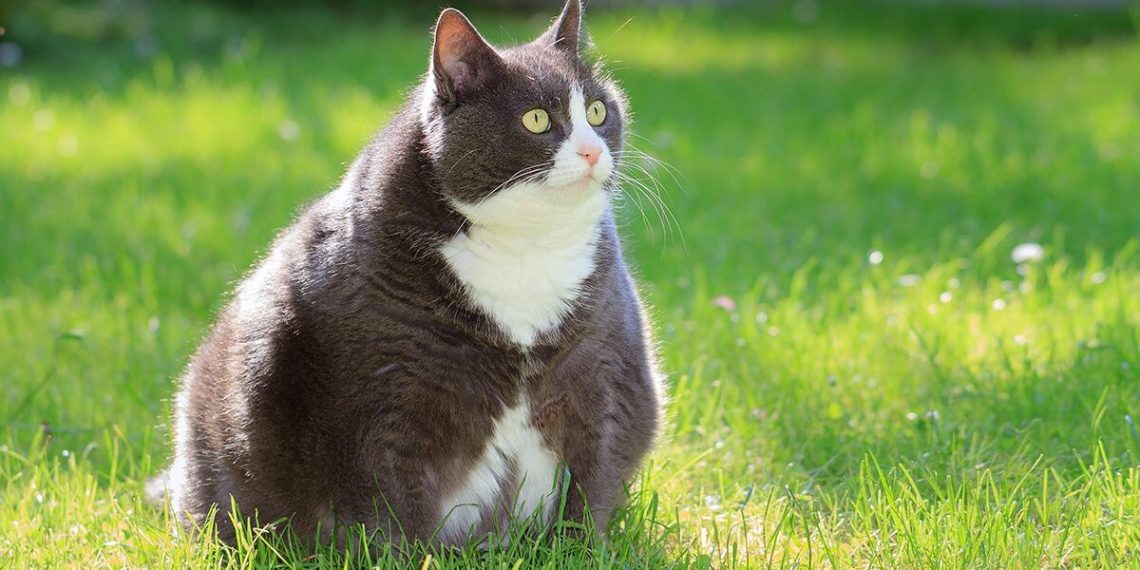
Exercise plays a key role in maintaining a healthy body condition. I see how regular activity helps balance calorie intake and energy use naturally. Healthy weight reduces pressure on joints, organs, and the cardiovascular system. This balance supports overall comfort.
Managing weight through movement feels more sustainable than relying on food restriction alone. Activity supports muscle tone while preventing excess fat accumulation. A balanced body tends to move with greater ease. That ease translates into better daily experiences.
Cardiovascular Health And Endurance
The heart benefits from regular activity just like muscles do. I notice improved stamina and quicker recovery when exercise is part of daily life. Cardiovascular fitness supports efficient circulation and oxygen delivery. This helps pets stay active without tiring too quickly.
Endurance also affects confidence. Pets that feel capable of sustained activity approach play and exploration with enthusiasm. Improved heart health supports longevity and vitality. Consistent movement strengthens internal systems quietly over time.
Mental Stimulation Through Movement
Exercise engages the mind as well as the body. Exploring environments, responding to cues, and navigating obstacles all challenge the brain. I see how movement reduces boredom and restlessness. Mental stimulation supports emotional balance.
Physical activity gives pets a healthy outlet for curiosity. Without it, mental energy often spills into unwanted behaviors. Exercise channels focus and attention productively. A mentally engaged pet tends to feel calmer and more satisfied.
Emotional Stability And Stress Relief
Movement helps regulate stress hormones. I notice calmer behavior after consistent exercise, even on busy or unpredictable days. Physical activity releases tension that might otherwise build up. This release supports emotional stability.
Stress often shows up as pacing, vocalizing, or irritability. Exercise provides a natural way to decompress. It helps pets process stimulation without becoming overwhelmed. Emotional balance improves when the body has a regular outlet for energy.
Confidence And Self-Assurance
Regular exercise builds confidence through capability. I observe that pets who move often approach new situations with more assurance. Physical competence supports emotional bravery. Confidence grows as pets trust their bodies.
Exploration during exercise reinforces adaptability. Navigating different surfaces, sounds, and smells builds resilience. This exposure reduces fear responses over time. Confident pets tend to handle change more smoothly.
Social Skills And Interaction
Exercise often includes social elements. Walks, play, or shared activities expose pets to people and other animals. I notice improved social tolerance when these interactions happen regularly. Familiarity reduces reactivity.
Balanced social exposure supports emotional intelligence. Pets learn to read cues and respond appropriately. Exercise provides a structured way to practice these skills. Healthy interaction contributes to overall quality of life.
Digestive Health And Routine
Movement supports digestion by stimulating natural processes. I see more regular elimination patterns when exercise is consistent. Activity helps regulate appetite and gut motility. Digestive comfort improves with regular movement.
Routine exercise also supports predictable schedules. Pets often align bathroom habits with activity times. This predictability reduces stress and discomfort. Digestive health benefits from the rhythm that exercise provides.
Better Sleep And Rest Quality
Physical activity supports deeper and more restorative sleep. I notice that exercised pets settle more easily and rest more soundly. Sleep quality improves when energy has been used productively. Rest supports healing and emotional regulation.
Poor sleep often leads to irritability and fatigue. Exercise helps balance energy levels throughout the day. A well-rested pet tends to be more patient and focused. Sleep and movement work together to support wellness.
Behavioral Balance And Focus
Exercise influences behavior by reducing excess energy. I observe fewer attention-seeking or destructive behaviors when activity needs are met. Movement provides structure and purpose. This structure supports focus.
Behavioral challenges often stem from unmet physical needs. Exercise addresses those needs in a constructive way. Balanced activity supports cooperation and learning. Focus improves when the body feels satisfied.
Bonding Through Shared Activity
Shared exercise strengthens the relationship between pet and owner. I find that time spent moving together builds trust and communication. Shared experiences deepen connection. Exercise becomes a form of companionship.
Consistency in shared routines reinforces emotional security. Pets learn to anticipate positive interactions. This anticipation strengthens the bond. A strong relationship supports emotional well-being.
Adaptability Across Life Stages
Exercise needs change over time. I adjust activity levels as pets age or health changes. Movement remains important at every stage, even if it looks different. Adaptability keeps exercise safe and beneficial.
Gentle activity supports senior pets by maintaining mobility. Younger pets benefit from structured outlets for energy. Tailoring movement to life stage protects quality of life. Exercise evolves with the pet.
Preventive Health Benefits
Regular movement supports preventive care. I see how exercise reduces risk factors linked to inactivity. Healthy circulation, weight control, and muscle tone all contribute to disease prevention. Exercise supports longevity.
Preventive benefits often appear gradually. Small daily efforts accumulate over time. Consistent movement protects against decline. Prevention supports comfort and independence.
Improved Sensory Engagement
Exercise engages the senses through exploration. Smells, textures, and sounds stimulate the brain. I notice heightened curiosity during active outings. Sensory engagement supports mental health.
A rich sensory experience reduces monotony. It keeps the mind active and responsive. Exercise provides opportunities for discovery. Sensory stimulation supports emotional balance.
Managing Energy Levels Naturally
Exercise helps regulate energy throughout the day. I see fewer extreme highs and lows when activity is consistent. Balanced energy supports calm behavior. Movement prevents restlessness.
Energy management improves predictability. Pets settle more easily after activity. Natural regulation reduces frustration. Exercise creates a healthy rhythm.
Building Healthy Habits
Routine exercise establishes structure. I find that habits form naturally when activity is consistent. Structure supports emotional security. Predictable routines reduce anxiety.
Healthy habits reinforce other wellness practices. Exercise complements nutrition and rest. Together, they create balance. Habits support long-term quality of life.
Reducing Age-Related Decline
Movement slows age-related changes. I observe better mobility and engagement in active senior pets. Exercise maintains muscle and coordination. It supports independence.
Gentle activity preserves confidence. Aging pets benefit from continued engagement. Movement keeps life enjoyable. Quality of life remains higher with activity.
Encouraging Natural Behaviors
Exercise allows pets to express natural instincts. Running, exploring, and playing fulfill inherent needs. I see more contentment when these needs are met. Natural behaviors support emotional health.
Suppressing movement often leads to frustration. Exercise provides an outlet. Fulfillment improves behavior. Natural expression supports balance.
Final Thoughts
Exercise improves a pet’s quality of life in ways that extend far beyond physical fitness. I have seen how regular movement supports comfort, confidence, and emotional balance. Activity strengthens the body, engages the mind, and stabilizes mood. These benefits work together to enhance daily experiences.
Consistent, appropriate exercise creates a foundation for long-term wellness. It supports resilience, adaptability, and joy. When movement becomes part of everyday life, quality of life improves naturally. Exercise is not an extra, but a vital part of a healthy and fulfilling life.