Natural wellness has become a steady part of how I care for my pets, not as a replacement for veterinary care, but as a way to support their bodies and minds every single day. Over the years, I’ve seen how gentle, consistent habits influence energy levels, mood, digestion, and even how well pets handle stress. Wellness doesn’t usually improve overnight, but it often strengthens quietly through small daily choices.
Supporting pet wellness naturally is about paying attention to rhythms rather than chasing quick fixes. Animals respond well to balance, predictability, and environments that respect their instincts. By focusing on natural routines, it becomes easier to notice what helps a pet thrive and what quietly throws things off.
Nutrition Built Around Real Ingredients
Food is one of the most powerful tools for supporting pet wellness naturally. I pay close attention to ingredient lists because what goes into a pet’s bowl affects digestion, skin health, energy, and immunity. Diets built around real, recognizable ingredients tend to support the body more gently than heavily processed alternatives.
Freshness and quality matter just as much as protein percentages. Rotating proteins, adding vet-approved whole food toppers, and avoiding unnecessary fillers can make a noticeable difference over time. A diet that works with a pet’s natural biology supports wellness from the inside out.
Clean Water and Daily Hydration
Water often gets overlooked, yet it plays a major role in nearly every bodily function. I’ve noticed that pets drink more willingly when water is fresh, bowls are clean, and placement feels comfortable. Hydration supports kidney function, digestion, circulation, and temperature regulation.
Adding moisture through wet food or broth can help pets that don’t drink enough on their own. Observing daily water intake also provides early clues about health changes. Supporting hydration naturally is simple but deeply effective.
Gentle Daily Movement
Natural movement keeps bodies flexible and joints supported without pushing pets beyond their limits. I’ve found that consistent, moderate activity works better than sporadic intense exercise. Movement helps maintain muscle tone, supports digestion, and reduces stiffness.
Walks, play sessions, and exploration encourage both physical and mental engagement. Tailoring activity to a pet’s age and ability helps prevent injury while still offering benefits. Over time, daily movement becomes a stabilizing part of wellness.
Time Outdoors and Sensory Stimulation
Outdoor time offers more than exercise. Natural scents, textures, sounds, and light stimulate a pet’s senses in ways indoor environments cannot fully replicate. I’ve seen calmer behavior and improved focus after regular exposure to outdoor settings.
Even short outdoor sessions can reduce stress and encourage curiosity. For indoor pets, open windows, safe balcony access, or supervised outdoor time can provide similar benefits. Sensory enrichment supports emotional balance and mental clarity.
Natural Stress Reduction
Stress has a quiet but powerful impact on pet wellness. Loud environments, inconsistent routines, and unresolved anxiety can weaken immunity over time. I focus on reducing stress through predictability, gentle handling, and calm interactions.
Natural stress relief may include quiet spaces, familiar routines, and soothing activities like slow walks or calm play. Some pets respond well to natural calming aids approved by veterinarians. Lower stress levels support better sleep, digestion, and behavior.
Quality Sleep and Rest
Rest is when the body repairs itself, making sleep essential for wellness. I’ve learned that pets need uninterrupted, comfortable places where they can fully relax. Poor sleep often shows up as irritability or low energy.
Supportive bedding, appropriate room temperature, and consistent routines help promote deeper rest. Pets that sleep well tend to recover faster from illness and handle stress better. Rest supports wellness just as much as activity does.
Grooming as Preventive Care
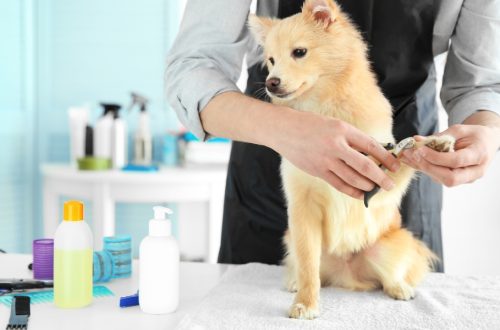
Regular grooming supports skin health, circulation, and coat condition. I’ve also found it to be one of the best ways to notice subtle changes early. Lumps, irritation, or coat texture changes often show up during grooming.
Brushing distributes natural oils and reduces shedding. Bathing with gentle products helps maintain skin balance without stripping moisture. Grooming routines strengthen the bond between pet and owner while supporting physical wellness.
Supporting Digestive Health Naturally
Digestive health affects energy, immunity, and nutrient absorption. I pay attention to stool quality, appetite, and comfort after meals. Natural support often starts with diet consistency and appropriate portion sizes.
Vet-approved probiotics, fiber-rich foods, and gradual dietary changes can support gut balance. Stress reduction also plays a role, as anxiety often affects digestion. A healthy digestive system supports the entire body.
Mental Engagement and Curiosity
Mental wellness is deeply connected to physical health. Pets that stay mentally engaged tend to show fewer behavioral issues and maintain sharper awareness as they age. I make an effort to provide regular mental challenges.
Puzzle feeders, scent games, training sessions, and new experiences stimulate the brain naturally. Rotating activities prevents boredom without overwhelming the pet. Mental engagement supports confidence and emotional stability.
Sunlight and Natural Light Exposure
Natural light helps regulate sleep cycles and mood. I’ve noticed improved energy levels when pets have access to sunlight during the day. Light exposure supports circadian rhythms and overall vitality.
Allowing pets to rest near windows or enjoy safe outdoor sun time supports natural biological patterns. Balanced light exposure promotes better sleep and emotional regulation. This simple habit quietly enhances wellness.
Natural Social Interaction
Healthy social interaction supports emotional wellness. Some pets thrive with frequent companionship, while others prefer calmer interactions. I pay attention to individual preferences to avoid overstimulation.
Positive social experiences reduce anxiety and encourage confidence. Supervised play, gentle handling, and shared routines strengthen bonds. Emotional security supports long-term health in subtle but meaningful ways.
Maintaining a Healthy Weight
Weight balance is central to wellness. Extra weight strains joints and organs, while being underweight can weaken immunity. I monitor body condition rather than focusing solely on the scale.
Balanced nutrition and regular activity support healthy weight naturally. Adjustments made early are easier than corrections later. Maintaining a healthy weight supports comfort and longevity.
Supporting Joint Health Naturally
Joint wellness becomes increasingly important with age. Gentle movement, appropriate weight, and supportive surfaces help protect joints. I also pay attention to posture and ease of movement.
Natural joint support may include omega fatty acids and low-impact exercise. Warmth, comfortable bedding, and gradual warm-ups reduce stiffness. Supporting joints naturally helps maintain mobility.
Building Strong Immune Support
A strong immune system relies on multiple factors working together. Nutrition, stress levels, sleep, and gut health all play roles. I focus on creating an environment where the immune system can function without constant strain.
Avoiding unnecessary stress and maintaining routine care supports immune balance. Natural immune support is less about boosting and more about maintaining harmony. Balanced systems tend to defend themselves well.
Observing Daily Patterns
Observation is one of the most natural wellness tools available. Subtle changes in behavior, appetite, or movement often appear before illness becomes obvious. I’ve learned to trust patterns more than isolated moments.
Daily awareness helps identify what supports wellness and what disrupts it. Early attention allows for gentle adjustments rather than urgent intervention. Observation strengthens every other wellness habit.
Aging Gracefully Through Natural Support
As pets age, natural wellness habits become even more important. Adjusting routines gradually supports comfort and dignity. I focus on flexibility, patience, and maintaining quality of life.
Senior pets often benefit from quieter environments, softer surfaces, and slower routines. Natural support helps aging feel like a transition rather than a decline. Thoughtful care allows pets to remain engaged and comfortable.
Final Thoughts
Natural ways to support pet wellness rely on consistency, attention, and respect for each animal’s individual needs. Small habits practiced daily often create the strongest foundation for long-term health. By supporting the body and mind together, pets gain not only better wellness, but a calmer, more fulfilling life shared with the people who care for them.