Daily care shapes a pet’s health far more than occasional interventions. I see overall wellness as the result of many small, thoughtful habits that work together over time. Pets thrive when their physical comfort, mental balance, and emotional security are supported consistently. Paying attention to simple details often creates the biggest improvements in how they feel and behave.
Wellness is not about perfection or constant upgrades. It grows from routines that fit naturally into everyday life. Small adjustments in how a pet eats, moves, rests, and interacts can quietly strengthen health and resilience. Over time, these choices build a foundation that supports energy, mood, and long-term vitality.
Balanced Daily Nutrition
Food fuels every system in a pet’s body. I focus on consistency and balance rather than chasing trends or frequent changes. Meals that suit a pet’s age, size, and activity level support steady energy and digestion. Predictable feeding times also help regulate appetite and mood.
Portion awareness matters just as much as ingredients. Overfeeding strains joints and organs, while underfeeding limits strength and immunity. Watching how a pet responds to meals provides useful feedback. A content, comfortable pet after eating usually signals that nutrition is doing its job.
Hydration As A Wellness Foundation
Water supports digestion, circulation, and temperature regulation. I make fresh water easy to access throughout the day and notice drinking habits closely. Healthy hydration often shows up as steady energy and normal elimination patterns. Even mild dehydration can affect mood and comfort.
Clean bowls and accessible placement encourage regular drinking. Some pets prefer quiet locations, while others drink more during activity. Adjusting access based on behavior can improve intake naturally. Hydration supports every other wellness effort quietly but powerfully.
Consistent Physical Activity
Movement keeps joints flexible and muscles strong. I aim for regular activity that matches a pet’s ability rather than intense sessions. Daily movement supports circulation, digestion, and mental clarity. It also helps manage weight in a sustainable way.
Activity does not need to be strenuous to be effective. Gentle walks, play sessions, or exploration time all count. Variety keeps movement enjoyable and prevents boredom. A pet that moves comfortably each day tends to rest better and behave more calmly.
Mental Stimulation And Engagement
Mental exercise supports emotional balance and confidence. I look for simple ways to challenge curiosity and problem-solving. Interactive play, puzzle toys, and new experiences keep the mind active. Mental engagement reduces stress and destructive habits.
Routine enrichment prevents stagnation. Rotating toys or introducing new scents can refresh interest without major effort. A mentally engaged pet often shows better focus and patience. Mental stimulation supports behavior just as much as physical activity.
Predictable Routines
Structure provides emotional security. I notice calmer behavior when daily patterns remain familiar. Feeding, walks, play, and rest happening at consistent times help pets feel safe. Predictability reduces anxiety and confusion.
Routines do not need to be rigid to be effective. Flexibility within a familiar structure allows for life’s variations. Gradual changes protect emotional stability. A predictable rhythm supports trust and confidence.
Quality Rest And Sleep
Rest allows the body and mind to recover. I pay attention to where and how my pet sleeps. Comfortable, quiet spaces encourage deeper rest. Quality sleep supports immune health and emotional regulation.
Disrupted sleep often leads to irritability and fatigue. Adjusting sleeping areas to reduce noise or drafts can make a noticeable difference. Adequate rest strengthens resilience. Sleep is an essential part of daily wellness.
Gentle Grooming Habits
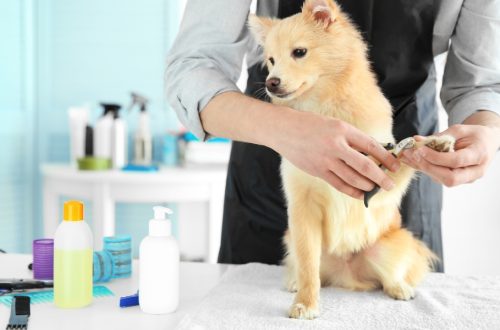
Grooming supports skin health and early detection of issues. I treat grooming as a regular bonding activity rather than a chore. Brushing improves circulation and removes debris. It also provides an opportunity to notice changes in skin or coat condition.
Regular grooming helps pets feel comfortable in their bodies. It reduces matting, irritation, and odor. Gentle handling builds trust and reduces stress. Grooming supports both physical comfort and emotional connection.
Emotional Connection And Attention
Emotional well-being influences overall health more than many realize. I make time for calm interaction and presence. Pets benefit from attention that is not rushed or distracted. Emotional connection supports confidence and reduces stress.
Simple moments of affection or quiet companionship strengthen trust. Pets that feel emotionally secure tend to adapt better to change. Emotional care complements physical wellness naturally. A strong bond supports balance across all areas of health.
Safe And Stimulating Environment
The environment shapes daily experience. I look at how space allows movement, rest, and exploration. A safe layout reduces injury risk and stress. Familiar surroundings support emotional comfort.
Environmental variety prevents boredom. Small changes in layout or access to different views keep curiosity alive. Safety and stimulation can exist together. A supportive environment enhances wellness without effort.
Regular Observation And Awareness
Awareness helps catch small issues early. I observe behavior, appetite, and movement during normal routines. Noticing subtle changes allows timely adjustments. Consistency makes differences easier to spot.
Observation does not require constant monitoring. It grows from familiarity with what is normal. Early awareness reduces the likelihood of serious problems. Paying attention supports proactive care.
Comfortable Temperature And Shelter
Temperature affects comfort and energy. I adjust indoor conditions based on seasonal needs. Proper shelter protects from extremes that strain the body. Comfort supports rest and recovery.
Pets often show discomfort through behavior before physical signs appear. Providing shade, warmth, or ventilation improves well-being. Environmental comfort reduces stress. Small adjustments can have lasting effects.
Social Interaction And Balance
Social needs vary by individual. I observe how my pet responds to people and other animals. Positive interaction builds confidence and reduces loneliness. Balance prevents overstimulation or withdrawal.
Respecting personal space supports trust. Forced interaction often creates stress. Healthy social experiences contribute to emotional resilience. Balanced companionship supports overall wellness.
Cleanliness And Hygiene
Clean living spaces reduce health risks. I maintain bedding, bowls, and play areas regularly. Clean environments support skin, digestion, and respiratory comfort. Hygiene also improves emotional well-being.
Simple cleaning routines prevent buildup of irritants. Clean spaces encourage relaxation and rest. Hygiene supports wellness quietly. Consistent cleanliness protects long-term health.
Gentle Training And Communication
Clear communication reduces confusion and stress. I use calm cues and consistent signals. Gentle guidance builds understanding and cooperation. Training supports mental clarity.
Positive interactions strengthen trust. Harsh responses often undermine emotional health. Respectful communication supports learning. Training becomes part of wellness rather than a separate task.
Supportive Veterinary Care
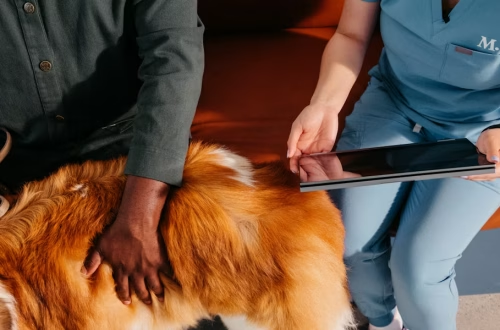
Professional care complements daily habits. Regular checkups confirm wellness and establish baselines. Preventive care often catches issues early. Partnership with a vet supports informed decisions.
Veterinary visits are less stressful when pets are accustomed to handling. Calm preparation improves the experience. Preventive care strengthens long-term health. Professional support reinforces daily efforts.
Weight Awareness And Body Comfort
Maintaining a healthy body condition supports mobility and comfort. I focus on how my pet moves and rests. Balanced weight reduces strain on joints and organs. Comfort supports activity and mood.
Gradual changes are easier to manage. Sudden shifts often signal imbalance. Awareness helps guide adjustments. Healthy weight supports overall wellness.
Immune Support Through Daily Care
Immune strength reflects overall balance. I notice how quickly my pet recovers from minor stress. Consistent routines, nutrition, and rest support immunity. Wellness habits strengthen resilience.
Stress reduction plays a role in immune health. Calm environments and predictable care reduce strain. Immune support grows from daily balance. Strong immunity reflects overall wellness.
Final Thoughts
Simple ways to boost your pet’s overall wellness begin with everyday habits. I have learned that small, consistent choices shape health more than occasional changes. Attention to nutrition, movement, rest, and emotional care creates balance. Wellness grows quietly through routine and awareness.
Supporting overall wellness builds a happier and more resilient companion. Pets respond to thoughtful care with comfort and confidence. When daily needs are met, health becomes easier to maintain. Simple actions, repeated over time, create lasting well-being.