Daily life with a pet is filled with small habits and subtle behaviors that quickly become familiar. Over time, those routines create a sense of what feels normal, from eating patterns to energy levels and moods. I rely on that familiarity to guide my instincts, because true concern usually begins with noticing something that no longer fits. The challenge is separating harmless variations from signs that deserve closer attention.
Not every change signals a problem, and constant worry helps no one. Pets have good days and off days just like people do, and temporary shifts often resolve on their own. The key lies in context, consistency, and intensity. Knowing what is normal for an individual pet makes it easier to recognize when something truly feels wrong.
Your Pet’s Personal Baseline
Every pet has a unique baseline shaped by age, breed, temperament, and environment. I pay close attention to what is typical for my pet rather than comparing them to others. Some pets are naturally quiet, while others are highly expressive, and neither is inherently concerning. Normal only makes sense when it is personal.
Changes become meaningful when they stray from this baseline. A calm pet becoming restless or an energetic one turning withdrawn may signal discomfort. Single moments rarely tell the whole story. Patterns over time provide the clearest insight into whether concern is warranted.
Temporary Changes Versus Ongoing Patterns
Short-term changes often have simple explanations. A skipped meal, a lazy afternoon, or a restless night may follow excitement, stress, or minor digestive upset. I give space for these moments to pass while staying observant. Many minor issues resolve naturally within a day or two.
Ongoing patterns raise different questions. When changes persist, repeat, or gradually intensify, they deserve attention. Duration matters as much as severity. A mild issue that lingers can be more concerning than a brief, dramatic change that resolves quickly.
Energy Levels And Activity Shifts
Energy is one of the first things I notice when assessing whether something is normal. Pets naturally adjust activity based on weather, routine changes, or aging. A quieter day after heavy play or travel often makes sense. Context helps determine whether reduced energy is expected.
Concern grows when low energy becomes the new norm. Reluctance to move, lack of interest in favorite activities, or excessive sleeping can signal discomfort or illness. Sudden hyperactivity can also be a warning sign, especially if it appears alongside restlessness or agitation. Extremes on either end deserve closer observation.
Appetite And Drinking Habits
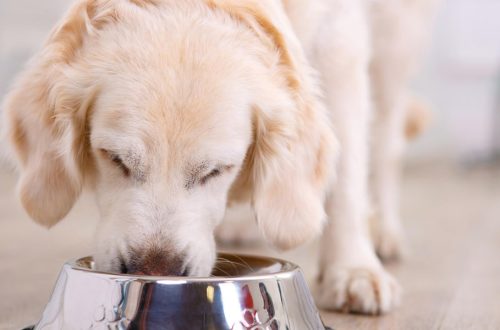
Eating and drinking patterns provide valuable clues. Occasional appetite fluctuations happen, especially during routine changes or warm weather. I look for whether interest in food returns naturally. Hydration habits may also shift slightly with activity levels.
Worry sets in when appetite changes persist or become dramatic. Refusing food for more than a short period, eating far less than usual, or drinking excessively can point to underlying issues. Appetite often reflects how the body feels internally. Consistent changes rarely happen without reason.
Digestive Changes And Comfort
Digestive habits vary from day to day, especially with dietary changes or mild stress. One loose stool or a brief bout of constipation may not mean much. I focus on whether digestion returns to normal without intervention. Comfort during elimination matters as well.
Ongoing digestive issues are harder to ignore. Repeated vomiting, chronic diarrhea, or straining during elimination suggest that something deeper may be wrong. Digestive discomfort often affects mood and energy too. Persistent issues signal that it is time to take action.
Behavior And Mood Shifts
Behavior changes often communicate what the body cannot. Temporary irritability or clinginess may follow stress or overstimulation. I consider what has changed in the environment before assuming something is wrong. Emotional responses often make sense in context.
Concern grows when mood changes appear without clear cause or fail to resolve. Withdrawal, aggression, or unusual fear can signal pain or distress. Behavioral shifts that interfere with daily life usually deserve attention. Ignoring them risks missing early warning signs.
Sleep Patterns And Rest Quality
Sleep needs vary widely, especially across life stages. Extra rest after an active day or during growth periods is often normal. I observe how easily my pet settles and how rested they seem afterward. Quality of rest matters more than quantity alone.
Changes in sleep patterns can indicate discomfort. Difficulty settling, frequent waking, or unusual restlessness often point to underlying issues. Sleep disruption affects behavior and immune health. Persistent changes deserve closer monitoring.
Physical Movement And Posture
Movement reveals subtle clues about comfort. Minor stiffness after long rest or intense activity can be normal. I look for improvement as the body warms up. Temporary hesitation does not always mean injury.
Worry increases when movement issues persist or worsen. Limping, reluctance to jump, or consistent stiffness often signal pain. Changes in posture while standing or resting can also indicate discomfort. Physical changes that linger rarely resolve without support.
Skin, Coat, And Grooming Changes
Skin and coat condition fluctuate with seasons and environment. Mild shedding or dryness can be normal. I pay attention to whether grooming habits remain consistent. Comfortable pets usually tolerate grooming without issue.
Persistent itching, hair loss, or skin redness deserve attention. Changes in grooming tolerance may indicate pain or sensitivity. The skin often reflects internal health. Ongoing issues suggest more than a surface problem.
Eye And Ear Signals
Eyes and ears offer clear visual indicators. Occasional discharge or mild redness can follow irritation. I observe whether symptoms clear quickly. Normal eyes and ears usually maintain a consistent appearance.
Ongoing discharge, odor, or sensitivity raise concern. Repeated head shaking or squinting often signals infection or inflammation. These areas rarely improve on their own once issues take hold. Early care prevents escalation.
Vocalization And Silence
Changes in vocal behavior often carry meaning. Temporary increases in noise may follow excitement or attention-seeking. Silence during rest is usually normal. I focus on changes from usual communication patterns.
Increased vocalization without clear cause can signal discomfort or anxiety. Sudden silence from a typically vocal pet can also be concerning. Both extremes suggest something may be wrong. Persistent changes warrant closer attention.
Weight Changes And Body Condition
Weight fluctuates gradually with age and activity. Minor changes over time may not raise alarm. I pay attention to how the body feels rather than relying on appearance alone. Healthy weight supports comfort and movement.
Unexplained weight loss or gain is rarely normal. Rapid changes often point to metabolic or digestive issues. Body condition changes affect energy and mood. Consistent shifts deserve investigation.
Sensitivity To Touch
Tolerance for handling often reflects comfort levels. Temporary sensitivity after injury or strain can make sense. I watch for improvement as healing occurs. Normal tolerance usually returns.
Increased sensitivity that persists may indicate ongoing pain. Avoidance, flinching, or aggression during touch should not be ignored. These behaviors communicate discomfort. Early response helps prevent worsening pain.
Elimination Habits And Accidents
Occasional accidents happen, especially during routine disruptions. I consider stress or schedule changes before worrying. Most pets return to normal quickly. Patterns matter more than isolated incidents.
Repeated accidents, straining, or changes in elimination frequency suggest discomfort. Urinary and digestive issues often show up this way. Ignoring these signs risks complications. Consistent changes signal a need for action.
Breathing And Coughing
Breathing varies with activity and temperature. Panting after exercise or excitement is normal. I watch for recovery back to calm breathing. Normal patterns resume quickly.
Persistent coughing, labored breathing, or unusual sounds are not normal. These signs often worsen without care. Breathing issues affect overall comfort and energy. Early attention is essential.
Recovery Time After Activity
Recovery time offers insight into physical resilience. Temporary fatigue after intense activity is expected. I watch for normal bounce-back behavior. Healthy pets recover within a reasonable time.
Delayed recovery or excessive soreness suggests strain. Reduced tolerance for activity often appears gradually. These signs point to underlying issues. Adjustments may be needed to protect comfort.
Frequency Of Minor Illness
Occasional minor illness is part of life. I observe how quickly my pet recovers. Strong resilience usually means short recovery times. Normal immune response restores balance.
Frequent minor issues or slow healing raise concern. Repeated infections suggest weakened defenses. Immune strain often reflects deeper imbalance. Early support improves outcomes.
Trusting Instincts Without Panic
Instinct plays a role in recognizing problems. Familiarity builds intuition over time. I trust that inner signal when something feels off. Awareness does not mean panic.
Balance comes from observation paired with patience. Acting too quickly can cause unnecessary stress. Acting too late can allow issues to grow. Calm awareness supports better decisions.
Final Thoughts
Knowing when to worry depends on recognizing what is normal for an individual pet. I rely on patterns, persistence, and context rather than isolated moments. Most changes have explanations, but ongoing shifts deserve attention. Awareness creates the opportunity to act before small issues become serious.
Confidence grows with familiarity and observation. Pets communicate constantly through behavior, habits, and subtle cues. Learning to listen without overreacting supports better care. When normal no longer feels normal, that feeling itself is worth respecting.