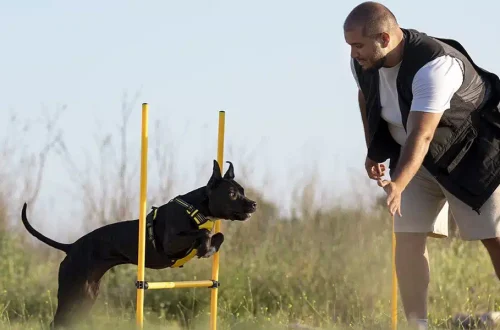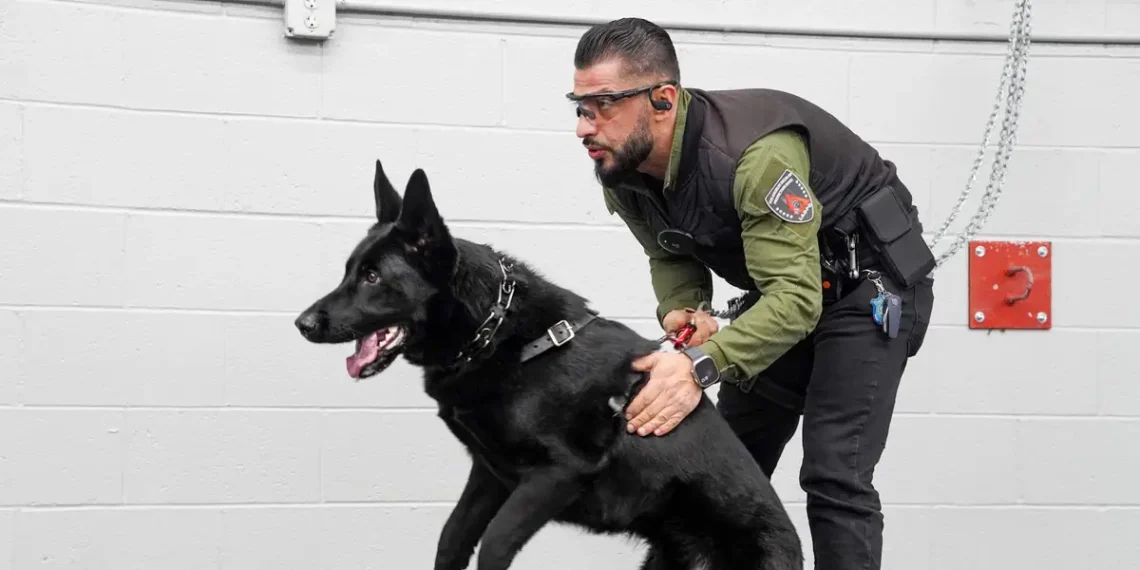
Clear communication sits at the heart of every strong relationship between a pet and the person caring for them. Training basic commands is not about control or showing authority, but about creating a shared language that reduces stress and confusion on both sides. I have seen time and again how even simple cues can transform daily routines, making life calmer, safer, and far more enjoyable for everyone involved.
Teaching commands works best when it feels like a natural extension of everyday interaction rather than a rigid task. Pets learn constantly from what happens around them, whether we notice it or not. By being intentional and consistent, I have found that training becomes less of a chore and more of an ongoing conversation built on trust.
Why Basic Commands Matter in Daily Life
Basic commands provide structure that helps pets understand what is expected of them in different situations. Clear cues reduce guesswork, which in turn lowers anxiety and frustration. I have noticed that pets who know what certain words or gestures mean tend to make better choices because they are not constantly trying to figure out what might happen next.
Commands also play a major role in safety. A reliable response to cues like sit, stay, or come can prevent accidents, especially in busy or unfamiliar environments. Beyond safety, these skills strengthen the bond between pet and owner by building mutual confidence and respect over time.
Setting the Right Foundation Before Training
Before introducing any command, I make sure the environment supports focus and success. A quiet space with minimal distractions gives pets the best chance to pay attention and process new information. Starting in a calm setting allows early lessons to feel achievable rather than overwhelming.
Timing and energy matter just as much as location. Training sessions work best when pets are neither overly tired nor bursting with pent-up energy. I aim for short, focused sessions that end on a positive note, which keeps motivation high and prevents mental fatigue.
Using Consistency as a Teaching Tool
Consistency acts like a roadmap during training. Using the same word, tone, and gesture for each command helps pets form clear associations. I avoid switching phrases or adding extra words, since even small changes can create confusion and slow progress.
Consistency also applies to expectations. If a behavior is allowed sometimes and discouraged at other times, pets struggle to understand the rule. I have learned that everyone in the household needs to follow the same guidelines for training to truly stick.
Introducing One Command at a Time
Focusing on a single command allows pets to fully grasp what is being asked without overload. I start with simple cues that are easy to demonstrate and naturally rewarding, such as sit. Mastery of one command builds confidence and creates momentum for future lessons.
Once a command is introduced, repetition in short bursts helps reinforce learning. I pay close attention to small improvements, since progress often comes in gradual steps rather than instant success. Moving on too quickly can dilute learning and create gaps in understanding.
Teaching Sit as a Starting Point
Sit often serves as the gateway command because it is simple and useful in many situations. I guide the pet into a sitting position using a gentle lure or gesture, pairing the movement with the verbal cue. As soon as the behavior happens, immediate positive feedback reinforces the connection.
Practicing sit in different contexts helps generalize the command beyond one specific spot. I make sure to vary locations gradually while maintaining the same cue and expectations. Over time, sit becomes a default response that helps manage excitement and maintain calm.
Building Stay With Patience
Stay requires self-control, which can be challenging at first. I begin with very short durations, rewarding even a brief pause before movement. Gradually increasing time and distance helps pets understand that staying put leads to positive outcomes.
Mistakes are part of the process, and I treat them as information rather than failure. If a pet breaks the stay, I calmly reset without frustration. This approach keeps training stress-free and encourages continued effort.
Teaching Come for Safety and Trust
Come is one of the most important commands because it directly affects safety. I start practicing it in enclosed spaces where success is more likely. Using an enthusiastic tone and rewarding generously builds a positive association with returning when called.
I avoid using the command in situations where I cannot follow through, as inconsistent results weaken reliability. Over time, practicing in gradually more distracting environments strengthens trust and responsiveness. A solid recall gives both freedom and peace of mind.
Adding Down for Calm Behavior
Down encourages relaxation and impulse control. I teach it by guiding the pet from a sitting position into a lying posture, pairing the movement with the cue. Calm praise reinforces the idea that settling down is a positive behavior.
This command becomes especially useful in situations where excitement runs high. With regular practice, down turns into a signal for calm focus rather than restlessness. I have found it invaluable during visits, meals, and quiet moments at home.
Reading Body Language During Training
Pets communicate constantly through posture, facial expressions, and movement. Paying attention to these signals helps me adjust training sessions in real time. Signs of stress or confusion indicate that the pace may be too fast or the environment too challenging.
Positive body language, such as relaxed posture and engaged attention, shows readiness to learn. By responding to these cues, I keep training sessions balanced and respectful. This awareness prevents burnout and strengthens mutual understanding.
Using Rewards Effectively
Rewards shape behavior by reinforcing actions that lead to positive outcomes. I vary rewards based on what motivates the pet most, whether that is treats, praise, or play. Keeping rewards meaningful maintains enthusiasm and focus during sessions.
Timing is critical when delivering rewards. Immediate reinforcement helps pets connect the reward directly to the behavior. Delayed feedback can weaken the association and slow learning, so I aim to respond quickly and clearly.
Gradually Reducing Dependence on Treats
While treats are helpful early on, long-term training relies on more than food. I gradually replace constant treats with praise or other forms of reinforcement. This transition keeps commands reliable even when treats are not available.
Randomizing rewards helps maintain motivation without creating dependence. Pets continue responding because they never know which successful attempt will earn a bonus. This approach mirrors real-life situations where consistency matters more than constant rewards.
Practicing Commands in Real-Life Situations
Training becomes truly effective when commands work outside formal sessions. I incorporate cues into daily routines, such as asking for a sit before meals or a stay before opening doors. These moments reinforce learning in practical contexts.
Real-life practice also highlights areas that need improvement. Distractions reveal which commands are solid and which require more work. Addressing these gaps strengthens overall reliability and confidence.
Handling Setbacks Without Frustration
Setbacks are a normal part of training, not a sign of failure. Changes in environment, routine, or health can temporarily affect behavior. I remind myself that patience and consistency will bring progress back on track.
Responding calmly to challenges preserves trust. Frustration or punishment often creates confusion rather than clarity. By focusing on guidance instead of correction, I keep training positive and productive.
Adjusting Training for Individual Personalities
Every pet learns at a different pace and responds to different motivations. I adapt methods to suit personality, energy level, and past experiences. Flexibility allows training to feel supportive rather than rigid.
Some pets thrive on repetition, while others need variety to stay engaged. Observing these preferences helps tailor sessions that encourage steady improvement. Personalizing training makes learning more effective and enjoyable.
Involving the Whole Household
Consistency improves when everyone participates in training. I make sure all household members use the same cues and expectations. This unified approach prevents mixed messages that can slow learning.
Shared training also strengthens relationships between pets and different people. Pets learn that commands apply regardless of who gives them. This clarity builds confidence and cooperation across the board.
Knowing When to Take Breaks
Short, frequent sessions outperform long, exhausting ones. I watch for signs of fatigue or disinterest and end sessions before frustration sets in. Ending on a success keeps motivation high for the next round.
Breaks allow time for mental processing. Pets often improve after rest because learning continues subconsciously. Respecting limits supports long-term success and well-being.
Measuring Progress Over Time
Progress shows up in small, meaningful ways rather than dramatic leaps. I track improvements in reliability, speed, and confidence. Recognizing these changes helps maintain realistic expectations.
Comparing current behavior to earlier stages reveals how far training has come. Celebrating milestones reinforces commitment and keeps the process rewarding. Training is a journey built on gradual refinement.
Expanding Beyond Basic Commands
Once basic commands are solid, they become building blocks for more advanced skills. A strong foundation makes it easier to introduce new behaviors later on. I find that pets with clear basics adapt more quickly to additional training.
Advanced skills rely on the same principles of consistency, patience, and positive reinforcement. Mastery of fundamentals sets the stage for lifelong learning and adaptability. Training never truly ends, but it does become more intuitive over time.
Maintaining Skills Over the Long Term
Skills fade without practice, so I revisit commands regularly even after mastery. Brief refreshers help keep responses sharp and reliable. This ongoing reinforcement prevents regression.
Life changes can affect behavior, making refreshers especially important. New environments, schedules, or family members may require revisiting basics. Staying proactive ensures training remains effective and relevant.
Final Thoughts
Teaching basic commands step by step creates clarity, safety, and deeper connection between pets and the people who care for them. The process relies on patience, consistency, and respect rather than force or shortcuts. By focusing on clear communication and positive reinforcement, training becomes a shared experience that strengthens trust.
Over time, these simple commands weave into daily life, making routines smoother and interactions more enjoyable. Each small success builds confidence on both sides of the leash. With steady effort and understanding, basic training lays the groundwork for a balanced and happy life together.