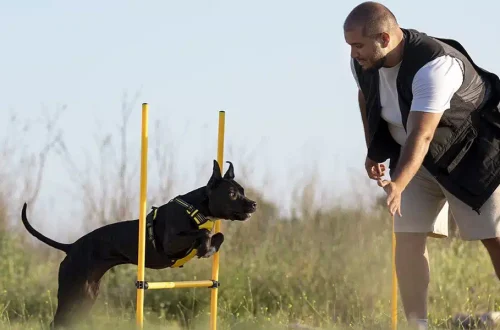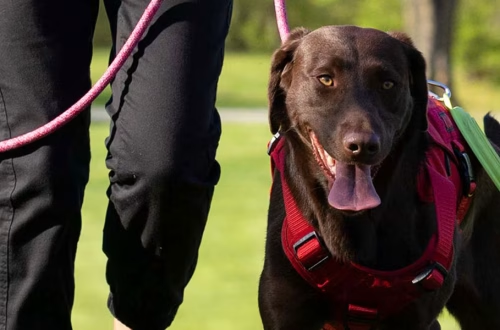
Bringing a new pet into my home changed my daily rhythm overnight, and training quickly became part of everything I did with them. From the moment my pet settled in, it was clear that training was not about control or perfection but about communication, trust, and shared routines. Good training laid the foundation for a calmer household, a happier pet, and a relationship built on mutual understanding rather than frustration.
Training does not happen in a single session or even in a single month. It develops gradually through repetition, patience, and consistent expectations. What I learned early on is that the basics matter far more than flashy tricks, especially for new pet owners who want their animals to feel secure and confident in a new environment.
Why Training Matters From Day One
Training plays a role in nearly every interaction I have with my pet, even when I am not actively working on commands. Clear expectations help pets feel safe because they begin to understand how the world around them works. Without that clarity, confusion often shows up as anxiety, destructive behavior, or disobedience that is not intentional at all.
Early training also protects the bond between pet and owner. When I knew how to guide behavior calmly, I avoided reacting out of frustration or anger. That emotional consistency made my pet more willing to listen and engage, which turned training into a cooperative experience instead of a daily battle.
Setting Realistic Expectations Early
One of the biggest lessons I learned was that pets do not arrive knowing human rules. Expecting perfect behavior too soon creates unnecessary stress for both sides. Training works best when expectations match the pet’s age, breed tendencies, and individual personality.
Progress rarely moves in a straight line. Some days feel like breakthroughs, while others feel like setbacks, even when nothing is truly wrong. Accepting that inconsistency is normal helped me stay patient and avoid pushing too hard, which often slows progress rather than speeding it up.
Building Trust Before Commands
Before any formal training took hold, trust had to come first. A pet that feels safe is far more open to guidance and correction. I focused on calm interactions, predictable routines, and positive attention so my pet learned that being close to me was a good thing.
Trust shows up in small ways during training sessions. A relaxed posture, eye contact, and willingness to stay nearby all signal that the pet feels secure. Without that foundation, commands become noise rather than meaningful communication.
The Importance of Consistency
Consistency became the backbone of everything I taught my pet. Using the same words, gestures, and expectations prevented confusion and sped up learning. When rules changed depending on my mood or the day, progress stalled almost immediately.
This consistency also extended beyond commands. Feeding times, walks, play sessions, and rest periods all followed predictable patterns. That structure helped my pet understand what came next, which reduced anxiety and made training moments more effective.
Timing Rewards and Corrections Properly
Timing matters more than intensity in training. A reward given even a few seconds too late can confuse a pet, especially during early lessons. I learned to praise or reward immediately when the desired behavior happened, even if it felt awkward at first.
Corrections followed the same rule. Gentle redirection worked best when it happened right away and without emotional weight. Calm guidance taught my pet far more than raised voices or delayed reactions ever could.
Using Positive Reinforcement Effectively
Positive reinforcement shaped my training style more than any other technique. Rewards did not always mean treats, though food certainly helped in the beginning. Praise, play, and affection became powerful motivators once my pet associated them with doing the right thing.
What surprised me most was how quickly positive reinforcement built confidence. My pet began offering good behavior voluntarily, eager for feedback and interaction. That enthusiasm made training sessions shorter, more focused, and far more enjoyable.
Managing Attention and Focus
Training requires focus, and pets have limits just like people do. I kept sessions short and engaging, especially during the early stages. A few focused minutes often accomplished more than long sessions that led to boredom or frustration.
I also paid attention to the environment. Reducing distractions helped my pet concentrate, particularly when learning new skills. As training progressed, I gradually introduced more challenging settings so those behaviors held up in real life.
Teaching Basic Commands That Matter Most
Some commands became essential for daily life rather than performance. Sit, stay, come, and leave it formed the core of our training routine. These commands improved safety, reduced stress, and made everyday activities smoother.
I introduced each command slowly and separately. Rushing through multiple lessons at once created confusion, while steady progress built confidence. Once the basics were solid, everything else felt easier to teach.
House Rules and Boundaries
Every home has its own rules, and pets need clarity about those boundaries. I decided early what behaviors were acceptable and which were not, then enforced those rules consistently. Mixed signals only delayed learning and caused frustration.
Boundaries did not mean harshness. Clear guidance paired with patience taught my pet how to navigate the home respectfully. Over time, those rules became habits rather than constant training points.
Socialization as Part of Training
Socialization played a huge role in my pet’s behavior. Exposure to different people, animals, sounds, and environments helped prevent fear-based reactions later on. I introduced new experiences gradually so they felt manageable rather than overwhelming.
Positive experiences during socialization built confidence that carried over into training. A pet that feels comfortable in varied situations is far more responsive and adaptable, which makes ongoing training much easier.
Reading Body Language
Learning to read my pet’s body language changed the way I trained. Subtle signals like ear position, tail movement, and posture revealed comfort levels and emotional states. Paying attention to those cues helped me adjust sessions before stress set in.
Body language also guided my timing. When my pet showed signs of fatigue or overstimulation, I paused or ended the session. Respecting those limits strengthened trust and kept training productive.
Managing Setbacks Without Frustration
Setbacks happen, even with consistent effort. Regression does not mean failure or stubbornness. Often, it signals stress, distraction, or a need to revisit earlier steps.
I learned to treat setbacks as information rather than problems. Adjusting expectations, simplifying tasks, or taking short breaks often resolved issues quickly. Staying calm during these moments preserved the training relationship and prevented negative associations.
Training Through Daily Routines
Some of the most effective training happened outside formal sessions. Daily routines offered endless opportunities for reinforcement. Meal times, walks, and play naturally encouraged good behavior when handled thoughtfully.
By weaving training into everyday life, lessons felt relevant and practical. My pet learned that good behavior mattered all the time, not just during designated training moments.
Patience as a Training Skill
Patience became one of the most important skills I developed as a pet owner. Training moves at the pet’s pace, not the owner’s schedule. Accepting that reality made the process far less stressful.
Patience also shaped my attitude. Staying calm and encouraging, even during slow progress, helped my pet remain relaxed and engaged. That emotional stability made learning possible.
Adapting Training to Individual Personality
Every pet has a unique personality, and training works best when it respects that individuality. Some pets respond eagerly to praise, while others prefer quiet reassurance or play-based rewards. Paying attention to these preferences improved results significantly.
Flexibility allowed me to adjust techniques without abandoning structure. Training became a collaboration rather than a rigid system, which kept my pet motivated and confident.
Avoiding Common Training Mistakes
Several common mistakes can slow progress without owners realizing it. Inconsistency, unclear commands, and unrealistic expectations all create confusion. I made a conscious effort to simplify my approach and stay clear in my communication.
Another mistake involved overcorrecting minor issues. Letting small imperfections go while reinforcing overall good behavior kept training positive. Perfection was never the goal, reliability and trust were.
Knowing When to Take Breaks
Breaks are part of effective training, not a sign of failure. Mental fatigue can lead to frustration and setbacks. Recognizing when my pet needed rest preserved enthusiasm for future sessions.
Short breaks also gave me perspective. Stepping away prevented overthinking and helped me return with renewed patience and clarity. Training felt lighter and more enjoyable when breaks were part of the plan.
Long-Term Benefits of Solid Basics
Strong training basics pay off long after the early stages. Daily life becomes smoother, outings feel less stressful, and communication grows clearer over time. Those benefits reinforce the value of consistent early effort.
The relationship itself improves as well. Training builds mutual respect and trust, creating a partnership rather than a power struggle. That connection continues to deepen as both pet and owner grow together.
Final Thoughts
Training basics shape the entire experience of pet ownership. They influence behavior, communication, and emotional well-being for both pet and owner. Through patience, consistency, and attention to trust, training becomes a shared journey rather than a chore.
The process is never truly finished, but that is part of what makes it rewarding. Each lesson strengthens the bond and creates a home where both pet and owner feel understood, secure, and connected.
Frequently Asked Questions
What are the first commands I should teach my new dog?
Start with the five foundational commands: Sit, Stay, Come, Down, and Leave it. These form the building blocks of safe, manageable behaviour and create the communication framework for everything else you teach your dog going forward.
How long should dog training sessions be?
Keep sessions short — 5 to 15 minutes is ideal, especially for puppies and young dogs. Dogs learn better with frequent short sessions than long exhausting ones. Training twice a day with breaks in between produces faster results and maintains enthusiasm.
What is the best age to start training a dog?
You can start training a puppy as early as 7 to 8 weeks old using simple commands and positive reinforcement. The earlier you start, the easier it is to establish good habits. That said, dogs of any age can be trained — older dogs simply require more patience and consistency.
Should I use treats for dog training?
Yes — treats are one of the most effective training tools. Use small, high-value treats your dog loves and reward immediately after the desired behaviour. As training progresses, gradually reduce treat frequency while maintaining praise and affection as rewards.
Why is my dog not responding to commands they already know?
Common reasons include distraction from the environment, inconsistency in commands, lack of motivation, or the dog simply being tired. Try training in a quieter space, use higher-value treats, keep sessions shorter, and ensure every family member uses the same command words.
Is it too late to train an older dog?
It is never too late to train a dog. Older dogs can absolutely learn new commands and break bad habits. They may take longer to respond than puppies, but they often have better concentration. Patience, consistency, and positive reinforcement work at every age.
What are the first commands I should teach my new dog?
Start with the five foundational commands: Sit, Stay, Come, Down, and Leave it. These form the building blocks of safe, manageable behaviour and create the communication framework for everything else you teach your dog going forward.
How long should dog training sessions be?
Keep sessions short — 5 to 15 minutes is ideal, especially for puppies and young dogs. Dogs learn better with frequent short sessions than long exhausting ones. Training twice a day with breaks in between produces faster results and maintains enthusiasm.
What is the best age to start training a dog?
You can start training a puppy as early as 7 to 8 weeks old using simple commands and positive reinforcement. The earlier you start, the easier it is to establish good habits. That said, dogs of any age can be trained — older dogs simply require more patience and consistency.
Should I use treats for dog training?
Yes — treats are one of the most effective training tools. Use small, high-value treats your dog loves and reward immediately after the desired behaviour. As training progresses, gradually reduce treat frequency while maintaining praise and affection as rewards.
Why is my dog not responding to commands they already know?
Common reasons include distraction from the environment, inconsistency in commands, lack of motivation, or the dog simply being tired. Try training in a quieter space, use higher-value treats, keep sessions shorter, and ensure every family member uses the same command words.
Is it too late to train an older dog?
It is never too late to train a dog. Older dogs can absolutely learn new commands and break bad habits. They may take longer to respond than puppies, but they often have better concentration. Patience, consistency, and positive reinforcement work at every age.