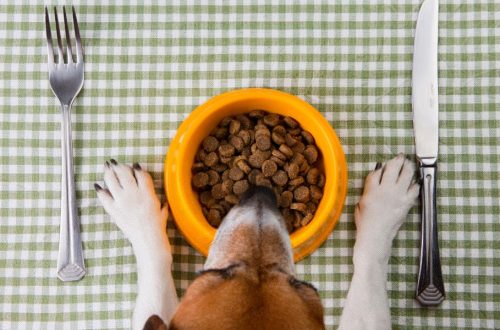
A balanced diet for pets is not a trend, a marketing slogan, or a one-size-fits-all formula. It is a daily commitment that quietly shapes energy levels, digestion, coat condition, mood, and long-term health. I have seen firsthand how small changes in what goes into a food bowl can lead to noticeable differences in behavior and overall wellbeing. Getting this right requires attention, consistency, and a clear picture of what balance actually means for animals who depend entirely on us.
The idea of balance goes far beyond filling a bowl with kibble or scooping wet food from a can. Pets need nutrients in the right proportions, delivered in forms their bodies can use efficiently. A diet that looks balanced on paper may still fall short if it ignores age, activity level, species, or health conditions. That is why I focus less on labels and more on how food supports a pet’s daily life from morning routines to restful sleep.
Defining Balance Beyond the Label
Balance in pet nutrition is about meeting biological needs, not chasing perfection or novelty. Many commercial foods advertise themselves as complete, yet balance is only meaningful when it aligns with the individual pet eating it. What works beautifully for one dog or cat may leave another sluggish or uncomfortable. I learned early on that balance must be assessed through outcomes, not promises printed on packaging.
A truly balanced diet supports stable energy, healthy digestion, strong immunity, and steady weight. These outcomes do not appear overnight, but they become obvious over time. Consistent stools, clear eyes, and a coat that feels resilient rather than brittle are everyday indicators. When these signs are present, diet is usually playing its role correctly.
Balance also implies restraint. Overfeeding nutrient-rich foods can be just as harmful as deficiencies. Excess protein, fat, or supplements place stress on organs and can quietly create long-term problems. A balanced diet respects limits as much as it delivers nourishment.
Macronutrients and Their Real Roles
Macronutrients form the structural backbone of pet nutrition, but they are often misunderstood. Protein, fat, and carbohydrates each serve specific purposes, and balance means assigning them the right emphasis. I pay close attention to how these macronutrients interact rather than viewing them in isolation. When one dominates without reason, imbalance follows.
Protein supports muscle maintenance, tissue repair, and immune health. For dogs and cats alike, quality matters more than quantity. Highly digestible animal-based proteins provide essential amino acids that pets cannot synthesize on their own. When protein sources are poor or excessive, digestion and energy can suffer.
Fats provide concentrated energy and support skin, coat, and brain health. They also make food palatable, which influences appetite and satisfaction. Balance here means avoiding both dryness and greasiness in the coat, subtle signs that fat intake is either insufficient or excessive. The right amount supports vitality without leading to weight gain.
Carbohydrates often spark debate, yet they play a functional role for many pets. Properly prepared carbohydrates provide energy and fiber, aiding digestion and stool quality. Problems usually arise from poor ingredient quality or excessive amounts rather than their presence alone. In balanced proportions, carbohydrates contribute stability rather than harm.
Micronutrients That Quietly Matter
Vitamins and minerals operate behind the scenes, yet their impact is profound. A balanced diet supplies these micronutrients consistently and in bioavailable forms. Deficiencies may take months to appear, making them easy to overlook. Excesses can be equally damaging, especially when supplements are added without professional guidance.
Calcium and phosphorus must exist in harmony to support skeletal health. An imbalance can affect growth in young pets and bone strength in adults. Trace minerals like zinc and copper influence skin health and immune response. Their effects may seem subtle, but long-term deficiencies often manifest as chronic issues.
Vitamins support metabolic processes that keep organs functioning smoothly. Fat-soluble vitamins require careful balance because excess amounts accumulate in the body. Water-soluble vitamins, while excreted more easily, still need regular replenishment. A balanced diet delivers these nutrients steadily rather than in erratic spikes.
Hydration as Part of Nutrition
Water rarely receives the attention it deserves in discussions about balanced diets. Hydration influences digestion, kidney function, and temperature regulation. I consider water intake an inseparable part of nutrition rather than an afterthought. Dry food, wet food, and treats all affect daily water consumption.
Pets eating primarily dry diets require reliable access to fresh water at all times. Some animals naturally drink less, which can stress urinary and kidney systems over time. Wet food can support hydration, particularly for cats who often have a low thirst drive. Balance here means matching food choices with hydration habits.
Monitoring water intake offers valuable insight into health. Sudden increases or decreases often signal underlying issues that warrant attention. When hydration is stable and appropriate, it supports every other nutritional effort quietly and effectively.
Age-Specific Nutritional Needs
A balanced diet evolves as pets move through life stages. Puppies and kittens require higher energy and specific nutrients to support growth. Their diets must deliver adequate protein, fat, and minerals without overwhelming developing systems. Balance during this stage lays the foundation for lifelong health.
Adult pets need maintenance diets that support daily activity without promoting weight gain. At this stage, balance is about stability and consistency. Small deviations over time can lead to gradual weight changes that are easy to miss until they become problematic. Regular evaluation keeps balance intact.
Senior pets often benefit from adjusted nutrient levels that support joint health, digestion, and organ function. Lower calorie needs combined with higher-quality protein can help maintain muscle mass. Balance here prioritizes comfort, mobility, and metabolic efficiency rather than growth or performance.
Species-Specific Considerations
Dogs and cats may share our homes, but their nutritional needs differ significantly. Cats are obligate carnivores with specific amino acid requirements that must come from animal sources. A balanced diet for cats emphasizes high-quality protein and appropriate fat levels. Carbohydrates play a minimal role and must be carefully managed.
Dogs are more flexible omnivores, capable of utilizing a wider range of ingredients. Balance for dogs allows for more variety while still prioritizing protein and fat. Digestibility and ingredient quality remain essential regardless of species. Recognizing these differences prevents well-intentioned but harmful feeding practices.
Other pets, such as rabbits, birds, and reptiles, require entirely different nutritional frameworks. Balance for these animals depends heavily on species-specific research and guidance. Applying dog or cat feeding logic to them often leads to serious health issues. Respecting biological design is central to balanced nutrition.
Reading Ingredients With Purpose
Ingredient lists provide clues, but they require interpretation. I focus on the overall composition rather than fixating on single items. Ingredients are listed by weight before cooking, which can distort perceived importance. Balance emerges from the formula as a whole, not from the presence or absence of one trendy component.
Named animal proteins generally indicate clearer sourcing. Whole foods often provide a broader range of nutrients compared to highly processed alternatives. However, processing itself is not inherently bad when it improves digestibility or safety. Balance involves weighing benefits against potential drawbacks.
Additives and preservatives also deserve attention. Some are necessary to maintain food safety, while others offer little nutritional value. A balanced diet minimizes unnecessary additives without compromising shelf stability. Moderation and transparency are guiding principles here.
Treats and Extras in Context
Treats are part of life with pets, but they must fit within the broader nutritional picture. I view treats as supplements to the diet rather than extensions of it. Excessive treats can disrupt nutrient balance and calorie control. Even healthy treats add up quickly when given without structure.
Using treats strategically supports training and bonding without undermining health. Portion awareness makes a significant difference over time. Choosing treats with simple ingredient profiles reduces the risk of digestive upset. Balance here is about intention rather than elimination.
Human food scraps often pose hidden risks. Foods that seem harmless may be nutritionally inappropriate or even toxic. Maintaining a balanced diet means resisting the urge to share indiscriminately. Consistency protects both physical health and behavioral boundaries.
Weight Management as a Nutritional Signal
Weight trends offer valuable feedback on dietary balance. Gradual weight gain or loss often reflects subtle imbalances that accumulate over time. I monitor body condition rather than relying solely on scale numbers. Muscle tone, waist definition, and energy levels provide clearer insight.
A balanced diet supports a stable weight appropriate for breed and size. Sudden changes signal the need for dietary reassessment or veterinary input. Adjustments should be incremental to avoid stress and metabolic disruption. Balance thrives on patience rather than drastic shifts.
Regular reassessment keeps nutrition aligned with lifestyle changes. Altered activity levels, seasonal routines, or health conditions all influence caloric needs. Responsive feeding maintains balance through life’s natural transitions.
Digestive Health and Food Tolerance
Digestion reflects dietary balance more honestly than almost any other indicator. Consistent stools with healthy texture suggest appropriate nutrient absorption. Chronic diarrhea, constipation, or gas often point to imbalance or intolerance. These signs deserve attention rather than normalization.
Food sensitivities complicate the pursuit of balance. Identifying problematic ingredients requires observation and, sometimes, professional guidance. Elimination diets can clarify triggers when used carefully. Once identified, balanced alternatives support comfort without sacrificing nutrition.
Gut health benefits from fiber in appropriate forms and amounts. Fermentable fibers support beneficial bacteria, contributing to immune and digestive resilience. Balance here avoids extremes that disrupt microbial harmony. A calm digestive system often mirrors a balanced diet.
Homemade Diets and Professional Guidance
Homemade diets appeal to many pet owners seeking control and transparency. While the intention is admirable, balance becomes more challenging without expert input. Recipes found online often lack critical nutrients or appropriate ratios. I approach homemade feeding with caution and respect for nutritional science.
Professional guidance ensures homemade diets meet complete nutritional requirements. Veterinary nutritionists consider species, age, and health status when designing recipes. Balance achieved through expertise reduces the risk of long-term deficiencies. Commitment to accuracy matters more than convenience.
Regular evaluation remains important even with professionally formulated diets. Ingredients vary, and pets change over time. Balance is dynamic rather than fixed. Ongoing assessment sustains nutritional integrity.
Commercial Diets and Quality Variation
Commercial pet foods vary widely in quality and formulation. Price alone does not guarantee balance, nor does popularity. I evaluate foods based on transparency, ingredient sourcing, and nutritional adequacy statements. Balance depends on formulation integrity rather than marketing strength.
Rotating between high-quality foods can offer variety while maintaining balance. However, frequent changes without purpose may upset digestion. Transitions should be gradual to allow adaptation. Balance appreciates thoughtful consistency.
Recalls and quality control practices also matter. Brands that communicate openly about issues demonstrate accountability. Trust forms part of nutritional balance by ensuring safety and reliability. Informed choices protect pets from preventable risks.
Supplements and When They Fit
Supplements can support specific needs but rarely fix poor diets. I treat supplements as targeted tools rather than universal solutions. Joint supplements, probiotics, and omega fatty acids serve clear purposes when used appropriately. Balance requires restraint to avoid excess.
Adding supplements without professional advice risks nutrient overload. Interactions between supplements and existing nutrients complicate balance. Veterinary input clarifies necessity and dosage. Precision preserves the benefits supplements offer.
Observing response to supplementation guides continued use. Positive changes should appear gradually and sustainably. If no improvement occurs, reevaluation is necessary. Balance values effectiveness over assumptions.
Behavioral Effects of Nutrition
Diet influences behavior more than many realize. Energy spikes, lethargy, and irritability often trace back to nutritional imbalance. Stable blood sugar and adequate nutrients support calm, focused behavior. I notice improvements in training responsiveness when diet aligns properly.
Food-related behaviors such as begging or scavenging sometimes signal unmet needs. While not always nutritional, diet quality plays a role. Balanced diets promote satiety and satisfaction. This reduces food-driven stress and anxiety.
Mental stimulation also ties into nutrition through overall vitality. Pets receiving balanced diets often show greater engagement with their environment. Nutrition quietly supports emotional wellbeing alongside physical health.
Final Thoughts
A balanced diet really looks like consistency, observation, and respect for biological needs. It is not defined by trends or rigid rules, but by how well it supports daily life over time. I have learned that balance reveals itself through steady energy, comfortable digestion, and resilient health rather than dramatic transformations.
Achieving this balance requires patience and willingness to adjust. Pets change, and their diets must evolve with them. Thoughtful feeding grounded in evidence and observation creates a foundation for long, comfortable lives.
Ultimately, balance is an ongoing conversation between caregiver and pet. Paying attention to subtle signals guides better choices than any label or slogan ever could. When nutrition supports both body and behavior, its value becomes unmistakably clear.
Frequently Asked Questions
What does a balanced diet for a dog or cat actually include?
A balanced pet diet includes quality animal protein, healthy fats for energy and coat health, digestible carbohydrates, essential vitamins and minerals, and adequate hydration. The exact ratios differ between dogs and cats — cats are obligate carnivores and need higher protein.
How do I know if my pet’s food is nutritionally complete?
Look for the AAFCO statement on the label — it confirms the food meets minimum nutritional standards for your pet’s life stage. Words like ‘complete and balanced’ indicate the food does not need supplements added.
How often should I feed my dog or cat?
Adult dogs typically do well with two meals per day. Adult cats can also be fed twice daily, though some do well with free feeding if they self-regulate. Puppies and kittens need three to four smaller meals per day to support their rapid growth.
Are grain-free diets better for dogs and cats?
Grain-free diets are not necessarily better for most pets. Grains are a digestible energy source and are not harmful unless your pet has a diagnosed grain intolerance. Some grain-free diets have been linked to heart issues in dogs — always consult your vet before switching.
What human foods are toxic to dogs and cats?
Foods toxic to dogs and cats include chocolate, onions, garlic, grapes, raisins, macadamia nuts, xylitol, avocado, alcohol, and raw yeast dough. Even small amounts of some of these can cause serious health issues — keep them out of reach at all times.
Should I feed my pet wet food, dry food, or both?
Both have merits. Dry kibble supports dental health and is convenient. Wet food provides additional hydration and is often more palatable for picky eaters. Many vets recommend a combination of both. Choose a high-quality option appropriate for your pet’s age and health needs.
What does a balanced diet for a dog or cat actually include?
A balanced pet diet includes quality animal protein, healthy fats for energy and coat health, digestible carbohydrates, essential vitamins and minerals, and adequate hydration. The exact ratios differ between dogs and cats — cats are obligate carnivores and need higher protein.
How do I know if my pet’s food is nutritionally complete?
Look for the AAFCO statement on the label — it confirms the food meets minimum nutritional standards for your pet’s life stage. Words like ‘complete and balanced’ indicate the food does not need supplements added.
How often should I feed my dog or cat?
Adult dogs typically do well with two meals per day. Adult cats can also be fed twice daily, though some do well with free feeding if they self-regulate. Puppies and kittens need three to four smaller meals per day to support their rapid growth.
Are grain-free diets better for dogs and cats?
Grain-free diets are not necessarily better for most pets. Grains are a digestible energy source and are not harmful unless your pet has a diagnosed grain intolerance. Some grain-free diets have been linked to heart issues in dogs — always consult your vet before switching.
What human foods are toxic to dogs and cats?
Foods toxic to dogs and cats include chocolate, onions, garlic, grapes, raisins, macadamia nuts, xylitol, avocado, alcohol, and raw yeast dough. Even small amounts of some of these can cause serious health issues — keep them out of reach at all times.
Should I feed my pet wet food, dry food, or both?
Both have merits. Dry kibble supports dental health and is convenient. Wet food provides additional hydration and is often more palatable for picky eaters. Many vets recommend a combination of both. Choose a high-quality option appropriate for your pet’s age and health needs.