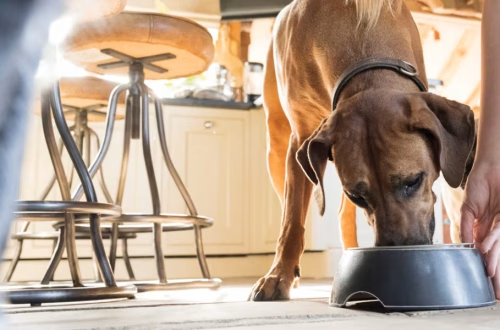
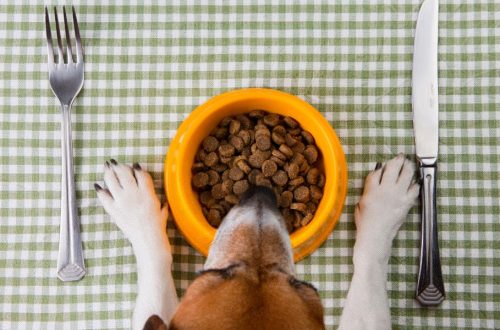
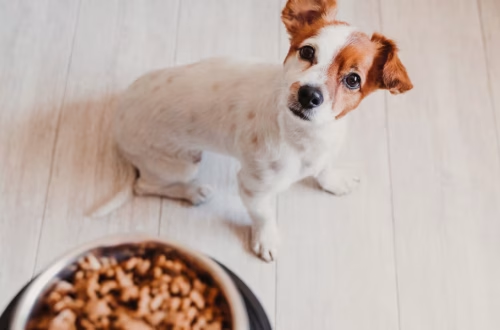
Food is one of the simplest ways we show care for our pets, yet it can also be one of the easiest ways to accidentally put them at risk. I have noticed that many harmful feeding mistakes come from good intentions, especially when pets beg with convincing eyes or hover around the table. What feels like a harmless nibble to us can trigger serious health problems for animals whose bodies process food very differently. Knowing which foods are unsafe is not about fear, but about protecting the trust our pets place in us every day.
Sharing food often feels like bonding, but pets do not need human snacks to feel loved or included. Their nutritional needs are specific, and some everyday ingredients can disrupt vital systems even in tiny quantities. Over time, I have learned that prevention starts with awareness, not panic. Clear boundaries around food keep pets safer and reduce the risk of sudden emergencies.
Why Small Amounts Can Still Be Dangerous
Many people assume danger only comes from large quantities, yet that assumption leads to trouble. Some foods contain compounds that pets cannot metabolize properly, causing reactions that build quickly. Even a single bite can be enough to trigger symptoms that require medical attention. The size of the pet, their age, and their health status all influence how severe the reaction may be.
Pets also lack the ability to communicate discomfort clearly in its early stages. By the time signs appear, the issue may already be advanced. That is why I treat risky foods as completely off-limits rather than something to offer in moderation. Removing temptation entirely is far safer than trying to measure out what might be acceptable.
Chocolate and Cocoa Products
Chocolate is widely known as dangerous for pets, yet accidents still happen frequently. Cocoa contains substances that pets process very slowly, allowing toxins to accumulate in the body. Dark chocolate and baking cocoa are especially concentrated, but even milk chocolate poses risks. The problem is not just sweetness, but specific chemical compounds that affect the nervous system and heart.
What makes chocolate particularly risky is how appealing it smells to pets. Wrappers left within reach often become targets. I make a habit of storing chocolate securely, especially during holidays. Avoiding exposure entirely is far easier than dealing with the consequences.
Grapes and Raisins
Grapes and raisins are deceptive because they appear natural and healthy. Despite their innocent appearance, they can cause severe reactions in some pets. The exact mechanism remains unclear, which makes prediction impossible. One pet may seem unaffected while another experiences serious complications from a small amount.
This unpredictability is what makes grapes and raisins especially dangerous. Baked goods, trail mixes, and cereals often contain them in hidden forms. I always check ingredient lists carefully before offering any human food. It only takes one oversight to create a serious problem.
Onions, Garlic, and Related Vegetables
Onions, garlic, leeks, and chives belong to the same family and share similar risks. These foods can damage red blood cells in pets, leading to weakness and other health issues. The danger exists whether the food is raw, cooked, powdered, or dried. Even seasoning mixes can contain enough to cause harm.
These ingredients are common in home cooking, which increases the chance of accidental exposure. I stay mindful when preparing meals and clean up scraps promptly. Avoiding table scraps altogether removes much of the risk. Pets do not miss what they never receive.
Alcohol and Fermented Foods
Alcohol affects pets far more intensely than humans. Their smaller size and different metabolism amplify its impact quickly. Even a small amount can cause disorientation and serious internal stress. Fermented foods and raw dough also pose risks because they can continue to produce alcohol after ingestion.
Leaving drinks unattended or disposing of food carelessly creates unnecessary danger. I treat alcoholic beverages as strictly inaccessible to pets. This includes desserts or sauces that may contain alcohol as an ingredient. Vigilance in shared spaces is essential.
Caffeine and Stimulants
Caffeine is another substance that pets cannot tolerate well. Coffee, tea, energy drinks, and certain medications all contain stimulants that can overwhelm a pet’s system. Effects may include restlessness and abnormal heart rhythms. The smell alone can attract curious animals.
Items like used coffee grounds and tea bags are often overlooked hazards. I make a point of disposing of them securely. Keeping countertops clear reduces temptation and risk. Prevention relies on attention to everyday habits.
Xylitol and Sugar Substitutes
Xylitol is a sugar substitute found in many sugar-free products. It appears in gum, baked goods, and even some peanut butters. For pets, it can cause a rapid and dangerous drop in blood sugar. Reactions can happen quickly, making immediate care critical.
What concerns me most is how easy it is to miss xylitol on ingredient labels. Products marketed as healthy for humans may be especially risky for pets. I read labels carefully and store these items away from curious noses. Awareness is the strongest defense here.
Cooked Bones and Fat Trimmings
Bones often seem like a natural treat, but cooked bones can splinter easily. These fragments pose choking hazards and can damage the digestive tract. Fat trimmings may lead to digestive upset and other complications. Both risks increase with size and frequency.
I avoid giving bones altogether and choose pet-safe alternatives designed for chewing. These products are formulated to reduce risk while satisfying natural instincts. Feeding scraps from the table creates habits that are hard to break. Consistency keeps everyone safer.
Raw Dough and Yeast Products
Raw dough is particularly dangerous because it expands after ingestion. This expansion can cause discomfort and internal pressure. Yeast fermentation also produces alcohol, compounding the risk. Even small amounts can lead to serious issues.
During baking, I keep dough covered and out of reach. Pets are often attracted to the smell and texture. A moment of distraction is enough for an accident. Simple precautions make a big difference.
Dairy Products and Lactose
Many pets struggle to digest lactose properly. Milk, cheese, and ice cream may seem harmless, but they often cause digestive upset. Symptoms may not appear immediately, which can make the connection easy to miss. Over time, repeated exposure leads to chronic discomfort.
I avoid offering dairy products as treats. Pets do not require them nutritionally, and alternatives exist that are safer. Listening to a pet’s digestive response helps guide better choices. Comfort is a key indicator of dietary success.
Avocado and Certain Fruits
Avocado contains substances that can cause gastrointestinal distress in pets. The pit also presents a choking hazard. While some pets may tolerate small amounts, risk varies widely. This inconsistency makes avocado an unreliable choice.
Other fruits can pose similar issues due to seeds or pits. I remove temptation by keeping these foods out of reach. Offering pet-safe fruits in moderation provides variety without risk. Knowledge helps prevent accidents.
Salty and Processed Snacks
Salty snacks like chips and pretzels contain more sodium than pets need. Excess salt can strain internal systems and disrupt hydration. Processed foods often include additives that pets cannot handle well. The combination creates unnecessary risk.
Pets may crave salty flavors, but cravings do not equal needs. I choose treats designed specifically for animals. These options meet taste preferences without compromising health. Simplicity often proves safest.
Spices and Seasonings
Spices add flavor for humans, but many irritate a pet’s digestive system. Hot peppers and strong seasonings can cause discomfort. Even mild spices may lead to reactions in sensitive pets. Seasoned leftovers carry hidden risks.
I keep pet meals plain and avoid sharing seasoned foods. Pets appreciate consistency more than variety. Maintaining this boundary reduces accidental exposure. Safe habits build over time.
Nutmeg and Certain Nuts
Nutmeg contains compounds that can affect the nervous system in pets. Even small amounts may cause adverse reactions. Some nuts also present choking hazards or contain harmful oils. Mixed nuts increase the chance of accidental ingestion.
Baked goods and holiday foods often include nutmeg. I stay alert during celebrations when food is everywhere. Planning ahead helps maintain safety. Awareness prevents regret.
Raw Fish and Meat Risks
Raw fish and meat carry bacteria and parasites that pets may not handle well. Some raw fish also contain enzymes that interfere with nutrient absorption. These risks increase with frequency. Balanced diets require careful planning.
I prefer diets that follow professional guidelines. Food safety matters for pets just as it does for people. Avoiding raw items reduces uncertainty. Consistency supports digestive health.
Foods With Mold or Spoilage
Moldy foods contain toxins that can be harmful even in small quantities. Pets may be drawn to the smell, especially in trash bins. Spoiled food poses similar risks. What seems insignificant can escalate quickly.
I secure trash containers and discard food promptly. Clean environments reduce temptation. Small habits add up to safer living spaces. Prevention is easier than treatment.
Human Medications and Supplements
Medications are not food, yet they often sit on counters or in bags. Some supplements contain ingredients unsafe for pets. Accidental ingestion happens more often than expected. Even chewable tablets can attract attention.
I store medications securely and avoid leaving them unattended. Pets do not differentiate between treats and pills. Clear storage practices reduce accidents. Safety depends on routine.
Holiday and Party Foods
Holidays introduce unfamiliar foods and distractions. Rich dishes, desserts, and drinks increase risk. Guests may not realize certain foods are dangerous. Communication becomes essential during gatherings.
I inform visitors about feeding rules ahead of time. Setting boundaries protects pets without awkwardness. Planning prevents emergencies. Calm preparation keeps celebrations enjoyable.
Teaching Household Boundaries
Training plays a role in food safety. Teaching pets not to beg or counter-surf reduces exposure. Consistent reinforcement builds reliable habits. Over time, pets learn what areas are off-limits.
I involve everyone in the household to maintain consistency. Mixed messages confuse pets and increase risk. Unified rules support safety. Structure benefits both pets and people.
What To Do If Accidental Exposure Happens
Despite best efforts, accidents can still occur. Staying calm and seeking professional advice promptly matters. Early intervention often prevents complications. Waiting rarely improves outcomes.
I keep emergency contact information accessible. Preparation reduces panic during stressful moments. Acting quickly shows responsibility and care. Knowledge supports better decisions.
Final Thoughts
Foods pets should never eat are often everyday items that seem harmless to us. Awareness transforms routine moments into safer experiences. I have learned that clear boundaries around food protect pets from unnecessary risks. Love does not require sharing everything we eat.
Consistency and education form the foundation of prevention. Pets rely on us to make informed choices on their behalf. By removing dangerous foods from reach, we create safer homes. That peace of mind is worth every effort.