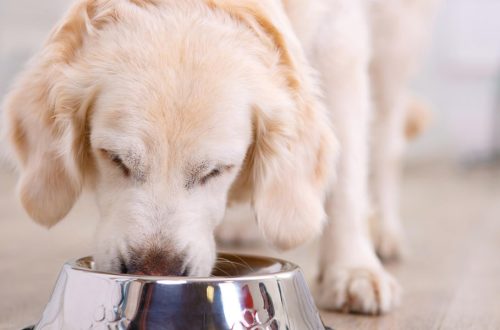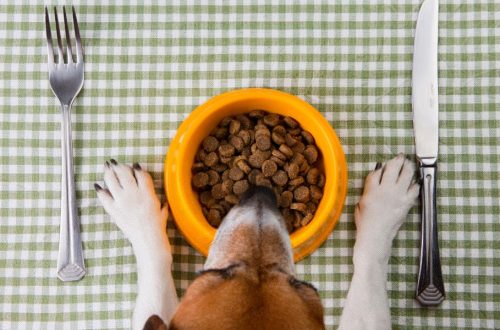
Food decisions shape a pet’s daily comfort more than most people realize. Appetite, digestion, hydration, and even behavior are influenced by what goes into the bowl. I have spent years paying close attention to how pets respond to different textures, moisture levels, and feeding routines, and the differences are often more noticeable than expected. Wet and dry food each bring advantages and drawbacks that deserve careful consideration rather than quick judgment.
This topic often turns into a debate framed around convenience or cost, yet those factors only tell part of the story. Pets experience food through smell, texture, and how it makes them feel afterward. A choice that works well for one animal may cause discomfort for another. Looking closely at wet and dry food helps clarify which option aligns best with a pet’s age, health, and lifestyle.
How Wet and Dry Food Are Made
Wet and dry foods begin with similar ingredients but diverge during processing. Dry food is cooked at high temperatures and shaped into kibble, then dried to remove moisture. Wet food is cooked and sealed with a much higher water content, resulting in a softer texture and stronger aroma. These differences affect shelf life, nutrient stability, and palatability.
Processing influences how nutrients are preserved and delivered. Dry food relies on lower moisture to maintain stability, while wet food depends on airtight packaging. Neither method is inherently superior, but each has trade-offs. Recognizing how production shapes the final product helps explain how pets respond differently to each type.
Moisture Content and Hydration
Water intake plays a major role in overall health, and food contributes more to hydration than many people realize. Wet food contains a high percentage of moisture, which naturally increases daily fluid intake. This can be especially helpful for pets who do not drink much water on their own. Hydration supports kidney function, digestion, and temperature regulation.
Dry food contains minimal moisture, placing greater responsibility on drinking habits. Some pets compensate by drinking more, while others do not. I have noticed that pets eating primarily dry food often require closer monitoring of water intake. Adequate hydration becomes a shared responsibility between food choice and environment.
Palatability and Appetite
Smell and texture strongly influence whether a pet enjoys a meal. Wet food tends to have a stronger aroma and softer consistency, making it appealing to picky eaters. Pets with reduced appetite often show renewed interest when wet food is introduced. This can be particularly helpful during illness or recovery.
Dry food offers a different kind of appeal. The crunch can be satisfying, and some pets prefer the consistency. However, aroma is usually milder, which may reduce interest for animals driven heavily by scent. Appetite response varies widely, making observation essential.
Dental Health Considerations
Dental health is often cited in discussions about dry food. The crunchy texture may help reduce plaque buildup through mechanical action. While this effect exists, it is not a substitute for proper dental care. Kibble alone rarely prevents dental disease.
Wet food does not provide the same abrasive action, leading some to worry about oral health. In reality, dental health depends more on hygiene practices than food type alone. I have found that regular dental care matters far more than whether food is wet or dry. Food choice should support, not replace, oral routines.
Digestibility and Gut Comfort
Digestibility varies based on ingredients, formulation, and individual tolerance. Wet food is often easier to chew and digest due to its moisture content. Pets with dental issues or sensitive digestion may find it gentler on the system. Softer texture can reduce strain during eating.
Dry food offers consistency and density that some digestive systems handle well. Fiber content is often higher, which can support stool quality. However, low moisture may contribute to constipation in certain pets. Watching digestive patterns reveals how well a food supports gut comfort.
Nutrient Density and Portion Control
Dry food is typically more calorie-dense than wet food. Smaller portions deliver the same energy, which can be convenient for feeding routines. This density also increases the risk of overfeeding if portions are not measured carefully. Small errors add up quickly.
Wet food contains fewer calories per volume due to high moisture. This allows for larger portions that may feel more satisfying without excess calories. For pets prone to weight gain, this can be beneficial. Portion control remains important regardless of food type, but moisture content changes how fullness is perceived.
Weight Management and Satiety
Managing weight requires balancing calorie intake with activity. Wet food often promotes satiety because of its volume and moisture. Pets may feel fuller after eating, reducing begging or scavenging behavior. This can support weight control when portions are appropriate.
Dry food supports structured feeding with measured portions. Some pets self-regulate well on kibble, while others do not. I have observed that satiety cues differ widely among individuals. Matching food type to eating behavior improves weight stability.
Storage and Convenience
Convenience influences consistency, which in turn affects health. Dry food stores easily and remains stable once opened. This makes it practical for busy households and automated feeders. Measuring portions is straightforward, supporting routine feeding.
Wet food requires refrigeration after opening and produces more packaging waste. Feeding schedules may need adjustment to prevent spoilage. While less convenient, these factors do not outweigh health benefits when wet food suits a pet’s needs. Convenience should support, not dictate, nutrition choices.
Cost and Long-Term Budgeting
Cost often enters the conversation, but value matters more than price alone. Dry food usually costs less per calorie, making it budget-friendly for larger pets. Wet food tends to be more expensive due to packaging and moisture content. Comparing costs requires looking at daily feeding amounts rather than unit price.
Long-term budgeting includes veterinary expenses influenced by diet. A food that supports hydration and digestion may reduce health issues over time. I consider cost within the broader context of overall care. Saving on food loses meaning if health suffers as a result.
Age-Specific Responses to Food Type
Age influences how pets respond to wet and dry food. Young pets often handle either type well, though moisture can support growth and digestion. Adult pets may develop clear preferences based on texture and routine. Senior pets frequently benefit from softer, more aromatic food.
Dental wear, reduced appetite, and slower digestion all affect seniors. Wet food often meets these needs more comfortably. However, some older pets maintain strong preferences for dry food. Respecting individual response matters more than following age-based assumptions.
Cats and the Wet vs Dry Debate
Cats bring unique considerations to this discussion. Many cats naturally consume little water, making hydration a key concern. Wet food supports fluid intake and urinary health. This aligns well with feline physiology.
Dry food offers convenience and supports free-feeding habits some cats prefer. However, reliance on dry food alone requires close attention to water intake. I have noticed that cats often thrive with at least some wet food included. Balance rather than exclusivity often works best.
Dogs and Flexibility in Feeding
Dogs generally show more flexibility with food types. Many adapt well to either wet or dry food depending on routine. Activity level, size, and health influence which option fits best. Dogs with high energy needs may benefit from calorie-dense dry food.
Wet food can support hydration and appetite in dogs who struggle with eating. Mixing wet and dry food is common and often successful. Observing stool quality and energy levels helps guide adjustments. Dogs communicate preferences clearly through behavior.
Mixing Wet and Dry Food
Combining wet and dry food offers a middle ground. This approach balances moisture with texture and convenience. Many pets enjoy the variety, which can improve mealtime enthusiasm. Mixing also allows gradual dietary changes without abrupt transitions.
Consistency matters when mixing foods. Sudden changes can upset digestion. I introduce new combinations slowly and watch for signs of discomfort. Balanced mixing supports flexibility while maintaining stability.
Food Safety and Handling
Food safety differs between wet and dry food. Dry food poses risks if stored improperly, including exposure to moisture or pests. Wet food requires attention to expiration and refrigeration. Both demand clean bowls and proper hygiene.
Leaving wet food out too long increases spoilage risk. Dry food left out may stale or attract insects. Establishing feeding routines reduces these issues. Safety practices protect pets from preventable problems.
Ingredient Quality Over Food Type
Ingredient quality outweighs the wet versus dry distinction. A high-quality dry food may outperform a poorly formulated wet food. Reading labels and researching sourcing matters. Food type does not guarantee nutritional value.
I prioritize transparency and consistency in formulation. Observing how pets respond offers more insight than marketing claims. Energy levels, coat condition, and digestion reflect quality more accurately than packaging.
Behavioral Effects of Food Texture
Texture influences eating speed and behavior. Dry food may encourage faster eating in some pets, increasing the risk of digestive upset. Wet food often slows eating due to texture. This can support better digestion.
Behavior around food also reflects satisfaction. Pets who feel full and comfortable show calmer behavior. I have noticed reduced food-related anxiety when meals align with natural eating preferences. Texture plays a role in emotional wellbeing as well as physical health.
Health Conditions and Dietary Needs
Certain health conditions influence food choice strongly. Urinary issues often benefit from increased moisture intake. Dental problems may require softer textures. Digestive sensitivities respond differently to moisture and fiber.
Professional guidance becomes important when health issues are present. Food should support management rather than complicate it. Wet and dry food both have roles depending on circumstances. Flexibility supports better outcomes.
Transitioning Between Food Types
Switching food types requires patience. Gradual transitions allow digestive systems to adapt. Mixing increasing amounts of the new food over several days reduces upset. This applies whether moving from dry to wet or the reverse.
I monitor stool quality and appetite during transitions. Signs of discomfort signal the need to slow down. Successful transitions feel uneventful. Smooth adjustment reflects good alignment.
Environmental Factors and Feeding Setup
Feeding environment affects how food is experienced. Wet food may require quieter spaces due to aroma and texture. Dry food suits automated feeders and scheduled routines. Environment should complement food choice.
Clean, accessible feeding areas support consistent intake. Fresh water should always accompany meals. Environmental comfort enhances the benefits of either food type. Small adjustments improve overall experience.
Long-Term Observation and Adjustment
Food decisions are not permanent. Pets change, and diets should evolve with them. Regular observation helps identify when adjustments are needed. Energy shifts, weight changes, and digestive patterns guide decisions.
I view food choice as an ongoing process rather than a final answer. Wet and dry food both have places depending on context. Responsiveness matters more than rigid loyalty to one type. Adaptation supports lasting health.
Final Thoughts
Wet vs dry food is not a question with a universal answer. Each option offers strengths and limitations that interact with a pet’s age, health, and habits. I have learned that listening to the pet matters more than following trends or opinions. Food should support comfort, hydration, and satisfaction every day.
The best choice often lies in balance or thoughtful combination. Paying attention to response over time reveals what truly works. Wet and dry food are tools, not rules. Used wisely, either can support a healthy, happy life.