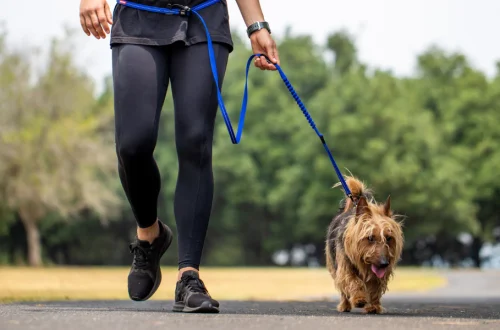
Positive reinforcement changed the way I relate to my pet in ways I did not expect. From daily routines to unexpected situations, rewarding good behavior rather than focusing on mistakes reshaped our communication. Instead of reacting to problems after they happened, I learned to guide behavior proactively, which created a calmer and more cooperative environment at home.
This approach is not about spoiling pets or ignoring unwanted behavior. It is about teaching them what works, what earns attention, and what leads to positive outcomes. Over time, those lessons stack up, forming habits that feel natural rather than forced.
The Core Idea Behind Positive Reinforcement
Positive reinforcement focuses on rewarding behaviors that I want to see repeated. Rewards can take many forms, from treats and toys to praise or shared play. The key lies in making the connection clear so the pet understands exactly which action earned the reward.
Unlike punishment-based methods, this approach does not rely on fear or confusion. It builds clarity instead. When pets know which behaviors lead to good outcomes, they begin to offer those behaviors willingly rather than acting out of avoidance.
Why Pets Respond So Well to Rewards
Pets are constantly learning from their environment, even outside formal training. They notice patterns quickly, especially when those patterns involve pleasant experiences. When a behavior consistently leads to something positive, it becomes meaningful and worth repeating.
I noticed that rewards also increase focus. My pet paid closer attention when there was a clear benefit to doing so. That attention made communication smoother and reduced the need for repetition or raised voices.
Building Trust Through Positive Experiences
Trust grows through consistent positive interactions. Each reward reinforces the idea that listening and cooperating are safe and worthwhile. Over time, this trust carries into situations that might otherwise cause stress or resistance.
A trusting pet is more confident and less defensive. That confidence shows up in body language, responsiveness, and overall demeanor. Training sessions feel less like instruction and more like collaboration.
Replacing Fear With Confidence
Fear-based methods often stop behavior temporarily without addressing the cause. Positive reinforcement works differently by encouraging confidence instead of compliance. A confident pet is more adaptable and better equipped to handle new situations.
I saw this confidence develop gradually. My pet began trying new behaviors without hesitation, knowing that effort itself often led to positive feedback. That willingness to engage made long-term behavior change possible.
The Role of Timing in Reinforcement
Timing plays a crucial role in making positive reinforcement effective. Rewards need to happen immediately after the desired behavior. Even small delays can confuse pets, especially during early training stages.
Precise timing helped my pet connect actions with outcomes more quickly. Clear associations reduced frustration on both sides and accelerated learning. Over time, those immediate rewards turned into lasting habits.
Consistency Shapes Behavior Patterns
Consistency determines whether positive reinforcement succeeds or fails. Rewarding a behavior one day and ignoring it the next sends mixed signals. Pets thrive on predictable responses, which help them understand expectations clearly.
I made an effort to stay consistent even during busy or stressful days. That reliability strengthened the training foundation and prevented regression. Consistent reinforcement turned individual successes into stable behavior patterns.
Rewards Go Beyond Treats
Food rewards are useful, but they are not the only option. Praise, affection, and play often become just as motivating over time. I learned to vary rewards based on context and my pet’s preferences.
This variety kept reinforcement effective without creating dependency on treats. My pet learned that good behavior led to positive attention, not just snacks. That balance supported healthier habits and stronger engagement.
Encouraging Desired Behavior Proactively
Positive reinforcement works best when it focuses on what I want my pet to do rather than what I want to stop. Redirecting attention toward acceptable behaviors prevented many problems before they started. This proactive mindset reduced the need for corrections altogether.
By rewarding calm behavior, patience, and focus, those traits became more common. Over time, my pet offered good behavior naturally without constant prompting. That shift made daily life smoother and more enjoyable.
How Positive Reinforcement Handles Mistakes
Mistakes are part of the learning process, not failures. Positive reinforcement treats mistakes as information rather than misbehavior. When something went wrong, I adjusted the environment or expectations instead of reacting emotionally.
This approach kept training sessions low-pressure. My pet remained engaged rather than shutting down or avoiding interaction. Learning continued even during setbacks because trust remained intact.
Emotional Regulation and Calm Responses
Positive reinforcement encourages emotional balance in both pet and owner. Staying calm during training helps pets feel secure and receptive. Emotional consistency reinforces the idea that learning is safe and predictable.
I found that my own mindset improved as well. Focusing on rewarding success rather than correcting failure reduced stress and frustration. That calm energy influenced how my pet responded in challenging moments.
Strengthening Communication Over Time
Clear communication grows from repeated positive interactions. Reinforcement clarifies which behaviors matter and why. Over time, this clarity reduces the need for constant instruction.
My pet began responding to subtle cues and body language. That responsiveness reflected a deeper level of understanding built through consistent reinforcement. Communication felt intuitive rather than forced.
Applying Positive Reinforcement in Daily Routines
Training does not need to be limited to structured sessions. Everyday routines offer countless opportunities for reinforcement. Meal times, walks, and quiet moments all reinforce behavior when handled intentionally.
By rewarding patience during feeding or calm behavior during outings, those habits became routine. Daily reinforcement integrated training seamlessly into life rather than treating it as a separate task.
Supporting Long-Term Behavior Change
Sustainable behavior change depends on positive associations. Reinforcement strengthens those associations gradually, making behaviors resilient under stress. Pets trained this way adapt better to new environments and challenges.
I noticed that behaviors learned through positive reinforcement held up even in unfamiliar situations. Confidence and clarity traveled with my pet rather than disappearing under pressure. That reliability highlighted the long-term value of this approach.
Addressing Behavioral Challenges Gently
Behavioral challenges often stem from unmet needs or confusion. Positive reinforcement addresses these issues by guiding pets toward appropriate alternatives. Redirecting energy and attention works more effectively than suppression.
Through reinforcement, I addressed issues like jumping, pulling, and excessive excitement without conflict. Each challenge became an opportunity to teach rather than punish. That mindset preserved trust while resolving problems.
Reinforcement and Mental Stimulation
Mental stimulation plays a key role in behavior. Positive reinforcement encourages pets to think, solve problems, and engage actively. That mental engagement reduces boredom-related issues and improves overall well-being.
Training sessions became mentally enriching activities rather than repetitive drills. My pet looked forward to them, which increased motivation and focus. Engaged minds support better behavior naturally.
Adapting Reinforcement to Individual Needs
Each pet responds differently to rewards. Paying attention to preferences helped me tailor reinforcement effectively. Some rewards worked better in calm settings, while others motivated high-energy situations.
Flexibility made reinforcement more impactful. Adjusting rewards based on mood, environment, and task maintained effectiveness. That personalization respected my pet’s individuality while maintaining structure.
Avoiding Overdependence on Rewards
Positive reinforcement does not mean constant rewards forever. Gradually reducing frequency while maintaining praise helps behaviors become self-sustaining. Intermittent reinforcement strengthens habits rather than weakening them.
I phased rewards thoughtfully, replacing treats with verbal praise and affection. Behavior remained consistent because the underlying habit was solid. This balance prevented reliance while preserving motivation.
Reinforcement in Social Situations
Social settings test behavior in real-world conditions. Positive reinforcement prepared my pet to handle distractions and unfamiliar stimuli. Rewarding calm responses during exposure built confidence.
Over time, my pet navigated social environments with ease. Reinforcement carried over beyond training sessions into everyday interactions. That adaptability reflected strong behavioral foundations.
The Human Side of Positive Reinforcement
Positive reinforcement reshaped my perspective as much as my pet’s behavior. It encouraged patience, empathy, and observation. Those qualities strengthened our relationship beyond training outcomes.
Focusing on progress rather than perfection made pet ownership more fulfilling. Celebrating small wins created momentum and positivity. That mindset transformed challenges into shared learning experiences.
Long-Term Emotional Benefits for Pets
Pets trained with positive reinforcement often show reduced anxiety and increased confidence. Predictable rewards create emotional security. That stability supports healthier behavior across different life stages.
I observed fewer stress signals and more relaxed behavior over time. Emotional well-being became as important as obedience. Reinforcement supported both simultaneously.
Reinforcement as a Lifelong Practice
Positive reinforcement does not end after basic training. It continues through daily interactions and evolving needs. Maintaining this approach keeps communication strong throughout a pet’s life.
As circumstances change, reinforcement adapts. New environments, routines, or challenges benefit from familiar principles. This flexibility ensures behavior remains stable over time.
Final Thoughts
Positive reinforcement builds better behavior by fostering trust, clarity, and confidence. It replaces fear with understanding and cooperation. Through consistent rewards and calm guidance, pets learn willingly rather than reactively.
This approach strengthens the relationship at its core. Behavior improves not because of pressure, but because learning feels safe and rewarding. Over time, positive reinforcement creates a partnership grounded in respect, communication, and shared success.
Frequently Asked Questions
What is positive reinforcement in dog training?
Positive reinforcement means rewarding desired behaviour immediately after it occurs, which increases the likelihood of that behaviour being repeated. Rewards include treats, praise, play, or toys. The key is timing — the reward must come within 1 to 2 seconds of the correct behaviour for the association to form.
Does positive reinforcement work for all dogs?
Yes — positive reinforcement is effective for all dogs regardless of breed, age, or history. It works because it taps into how all animals naturally learn. Some dogs respond most to food rewards, others to praise or play. Finding what motivates your specific dog makes training faster and more enjoyable.
How is positive reinforcement different from bribery?
Bribery means showing the treat before the behaviour to lure the dog into complying. Positive reinforcement means asking for the behaviour first, then rewarding after it is performed. Luring can be used initially to teach new commands, but should be faded quickly so the dog responds to the command alone.
What rewards work best in positive reinforcement training?
High-value treats such as small pieces of chicken, cheese, or commercial training treats are most effective for new or difficult behaviours. Once a behaviour is solid you can transition to lower-value treats or praise. Varying the reward unpredictably — known as variable reinforcement — strengthens behaviour long-term.
Can positive reinforcement be used to stop bad behaviour?
Positive reinforcement is most effective when you redirect and reward an alternative incompatible behaviour rather than focusing on stopping the unwanted one. For example if your dog jumps up, ask for a sit and reward the sit. This teaches what you want rather than simply suppressing what you do not want.
How long does it take to see results with positive reinforcement training?
Simple commands like Sit can be learned in just a few sessions. More complex behaviours or habit changes can take weeks of consistent practice. Progress depends on how often you train, how consistently you reward, and how clear your communication is. Daily short sessions produce the fastest results.
What is positive reinforcement in dog training?
Positive reinforcement means rewarding desired behaviour immediately after it occurs, which increases the likelihood of that behaviour being repeated. Rewards include treats, praise, play, or toys. The key is timing — the reward must come within 1 to 2 seconds of the correct behaviour for the association to form.
Does positive reinforcement work for all dogs?
Yes — positive reinforcement is effective for all dogs regardless of breed, age, or history. It works because it taps into how all animals naturally learn. Some dogs respond most to food rewards, others to praise or play. Finding what motivates your specific dog makes training faster and more enjoyable.
How is positive reinforcement different from bribery?
Bribery means showing the treat before the behaviour to lure the dog into complying. Positive reinforcement means asking for the behaviour first, then rewarding after it is performed. Luring can be used initially to teach new commands, but should be faded quickly so the dog responds to the command alone.
What rewards work best in positive reinforcement training?
High-value treats such as small pieces of chicken, cheese, or commercial training treats are most effective for new or difficult behaviours. Once a behaviour is solid you can transition to lower-value treats or praise. Varying the reward unpredictably — known as variable reinforcement — strengthens behaviour long-term.
Can positive reinforcement be used to stop bad behaviour?
Positive reinforcement is most effective when you redirect and reward an alternative incompatible behaviour rather than focusing on stopping the unwanted one. For example if your dog jumps up, ask for a sit and reward the sit. This teaches what you want rather than simply suppressing what you do not want.
How long does it take to see results with positive reinforcement training?
Simple commands like Sit can be learned in just a few sessions. More complex behaviours or habit changes can take weeks of consistent practice. Progress depends on how often you train, how consistently you reward, and how clear your communication is. Daily short sessions produce the fastest results.