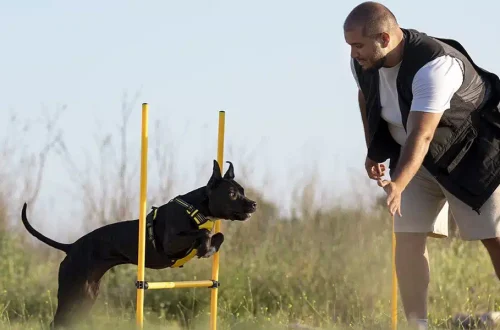
Stubborn behavior can test patience faster than almost anything else during training. I have learned that what looks like refusal or defiance is often a mismatch between expectations, communication, and motivation. Once that perspective shifts, frustration starts to lose its grip and progress becomes possible again.
Pets are not stubborn out of spite. They respond to what makes sense to them in that moment, based on past experiences, comfort, and clarity. Handling stubborn pets without frustration starts with changing how the situation is interpreted, not just how it is managed.
Redefining What Stubborn Really Means
Stubbornness is usually a label, not a diagnosis. When a pet does not respond, it often means something in the situation is unclear or unrewarding. Treating stubbornness as feedback instead of defiance changes the entire dynamic.
I have found that asking why a behavior is not happening leads to better solutions than pushing harder. Sometimes the cue is unclear, sometimes motivation is low, and sometimes the environment is overwhelming. Identifying the cause removes the emotional charge.
How Frustration Sabotages Training
Frustration alters tone, timing, and body language. Pets sense that shift immediately and may become anxious, distracted, or disengaged. That reaction reinforces the cycle of frustration rather than solving the problem.
Remaining calm keeps communication clear. Training works best when emotions stay steady. Reducing frustration improves outcomes even before any technique changes.
Lowering Expectations to Create Progress
High expectations often slow progress instead of speeding it up. Expecting instant compliance sets both sides up for disappointment. Progress builds faster when goals are realistic and flexible.
Breaking tasks into smaller steps creates momentum. Each success builds confidence and reduces resistance. Smaller wins accumulate into meaningful change.
Consistency Over Pressure
Pressure rarely produces reliable results. Consistent cues and outcomes matter more than intensity. Pets respond better to predictability than force.
Repeating the same calm response reinforces clarity. Over time, consistency shapes behavior naturally. Pressure creates resistance, while consistency creates understanding.
Motivation Drives Cooperation
A pet that is not motivated will appear stubborn no matter how skilled the handler is. Motivation varies by individual and even by day. Identifying what truly matters to the pet changes everything.
Rewards do not have to be elaborate. Food, praise, play, or comfort can all work when they matter to the pet. Strong motivation turns hesitation into cooperation.
Timing Matters More Than Effort
Perfect timing communicates faster than repeated effort. Reinforcing behavior immediately connects action to outcome. Delayed responses weaken the message.
I focus on catching correct behavior the moment it happens. Clear timing reduces confusion and resistance. Training becomes easier when cause and effect align consistently.
Avoiding Power Struggles
Power struggles create tension without clarity. Forcing compliance teaches pets to resist rather than cooperate. Training should never feel like a contest.
Stepping back often resolves conflict faster than pushing forward. Adjusting the task or environment removes the need for resistance. Cooperation grows when control is shared.
Reading Body Language for Clues
Body language reveals hesitation long before refusal happens. Stiff posture, avoidance, or distraction often signal discomfort or confusion. Ignoring these signs escalates resistance.
Observing subtle cues allows adjustments before frustration builds. Respecting signals maintains trust. Communication improves when listening replaces insistence.
Simplifying Commands
Complex or inconsistent commands slow response time. Pets process simple, familiar cues more easily. Simplification reduces mental effort.
Using one clear command for each behavior improves reliability. Extra words add noise rather than clarity. Simple cues support quicker understanding.
Adjusting the Environment
Distractions amplify stubborn behavior. Busy or unfamiliar environments overwhelm focus. Reducing distractions makes cooperation easier.
Training in calmer spaces builds confidence. Gradual exposure to more challenging settings follows naturally. Environment often matters more than technique.
Shorter Sessions Yield Better Results
Long sessions drain patience and attention. Short, focused sessions preserve enthusiasm. Ending early keeps motivation intact.
I stop sessions while engagement is still high. That choice prevents burnout. Training stays positive rather than exhausting.
Separating Emotion From Outcome
Emotional reactions cloud judgment. Taking behavior personally increases frustration. Behavior reflects context, not intention.
Viewing training as problem-solving removes emotional weight. Neutral responses maintain clarity. Calm handling supports better decisions.
Reinforcing Effort, Not Just Success
Waiting only for perfect behavior slows progress. Reinforcing attempts encourages persistence. Effort matters as much as outcome during learning.
Celebrating small improvements keeps motivation alive. Pets try more when effort is acknowledged. Progress accelerates through encouragement.
Managing Personal Expectations
Human expectations often exceed realistic timelines. Adjusting expectations reduces frustration instantly. Progress does not follow a straight line.
Accepting setbacks as part of learning maintains patience. Training becomes more enjoyable when expectations align with reality. Flexibility supports consistency.
Using Routine to Reduce Resistance
Routine creates predictability. Predictable training times and patterns reduce hesitation. Familiar structure lowers mental barriers.
Integrating training into daily routines feels less demanding. Pets respond better when training feels normal. Routine supports cooperation.
Avoiding Overcorrection
Overcorrecting increases stress without adding clarity. Frequent interruptions disrupt learning. Calm redirection works better than repeated correction.
Allowing pets to think and adjust supports understanding. Overcorrection teaches avoidance rather than learning. Less interference often yields more progress.
Recognizing Mental Fatigue
Mental fatigue mimics stubbornness. Slower responses or wandering attention signal the need for a break. Pushing through fatigue creates resistance.
Rest restores focus. Short breaks improve learning efficiency. Recognizing limits prevents frustration on both sides.
Staying Emotionally Neutral During Mistakes
Mistakes are part of learning. Emotional reactions to mistakes discourage experimentation. Neutral responses maintain confidence.
I treat mistakes as information, not failure. Adjusting the setup works better than reacting emotionally. Calm responses encourage continued effort.
Building Trust Through Predictability
Trust grows when outcomes remain consistent. Pets cooperate more readily when they trust responses will be fair. Predictability reduces anxiety.
Reliable reactions build confidence. Trust transforms stubborn behavior into cautious cooperation. Consistency strengthens the bond.
Adapting Methods Without Changing Goals
Goals can stay the same while methods change. Flexibility prevents frustration. Adapting approach respects individual differences.
Trying alternative techniques often unlocks progress. Persistence paired with flexibility works better than rigid insistence. Adaptation supports success.
Using Calm Energy as a Tool
Energy influences behavior. Calm energy lowers resistance. Tension amplifies stubbornness.
Maintaining relaxed posture and tone invites cooperation. Calm presence sets the emotional tone. Pets mirror energy more than commands.
Identifying Hidden Stressors
Stressors outside training affect behavior inside it. Hunger, discomfort, or environmental changes can reduce responsiveness. Addressing these factors restores focus.
Looking beyond the session provides insight. Removing hidden stressors improves cooperation. Behavior improves when needs are met.
Avoiding Comparisons
Comparing pets creates unrealistic expectations. Each pet learns differently. Progress should be measured individually.
Focusing on personal improvement maintains patience. Comparison fuels frustration. Individual growth tells the real story.
Consistency Across People
Mixed signals from different people increase resistance. Unified cues and rules reduce confusion. Consistency across handlers simplifies learning.
Clear agreement among humans helps pets succeed. Cooperation improves when expectations match. Unity prevents mixed messages.
Reframing Success
Success looks different at each stage. Calm participation can be progress. Engagement matters more than speed.
Reframing success reduces frustration. Progress becomes easier to recognize. Perspective shapes experience.
Preventing Burnout in Training
Burnout affects both sides. Overtraining reduces motivation. Balance preserves enthusiasm.
Taking breaks maintains interest. Training remains sustainable when pressure stays low. Longevity matters more than intensity.
Using Humor and Patience Together
Lightness diffuses frustration. Humor shifts perspective. Patience keeps training enjoyable.
Approaching challenges with curiosity rather than tension improves outcomes. Training feels less personal and more collaborative. Enjoyment supports persistence.
Long-Term Mindset for Handling Stubborn Pets
Stubborn behavior rarely disappears overnight. Long-term mindset supports resilience. Progress unfolds gradually.
Patience and consistency outperform force. Trust builds over time. Commitment creates change.
Final Thoughts
Handling stubborn pets without frustration begins with perspective, not pressure. What looks like resistance often reflects confusion, low motivation, or unmet needs. Addressing those factors transforms training from a battle into a conversation.
Calm consistency, realistic expectations, and emotional control create space for cooperation. Progress becomes easier when frustration steps aside. With patience and clarity, even the most stubborn behavior can soften into willingness and trust.