A healthy pet shows it in dozens of small, everyday ways long before a vet visit confirms it. I pay attention to patterns, habits, and subtle changes because real health is not just the absence of illness, but a steady balance that shows up in energy, behavior, and comfort. Pets cannot explain how they feel in words, so their bodies and routines do the talking. Over time, I have learned that the clearest signs of health are often the quiet, consistent ones that appear day after day.
Watching a pet closely does not mean hovering or worrying over every little thing. It means noticing what is normal for them and recognizing when something drifts away from that baseline. True health is reflected in how easily a pet moves through daily life, how they interact with their environment, and how their body responds to food, rest, and activity. Those signals together create a reliable picture of overall well-being.
Consistent Energy and Engagement
One of the strongest indicators of good health is steady, appropriate energy. A healthy pet is neither constantly lethargic nor endlessly restless without reason. I look for enthusiasm that matches the pet’s age, breed, and personality, because balance matters more than raw activity levels. A calm senior cat can be just as healthy as an energetic young dog if their behavior aligns with what is normal for them.
Engagement with the environment is just as important as physical energy. A healthy pet shows interest in familiar routines, responds to sounds or movement, and participates willingly in daily activities. When a pet greets meals, playtime, or walks with predictable interest, it usually signals that their body feels comfortable and capable. Sudden disinterest or exaggerated hyperactivity often points to something being off rather than a simple mood change.
Appetite That Feels Natural
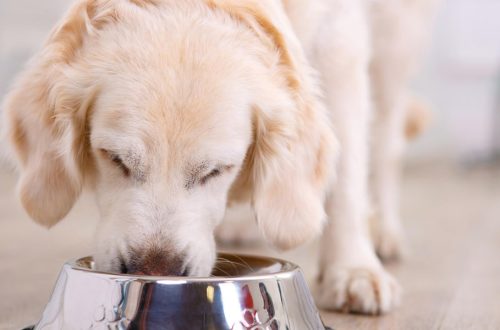
A reliable appetite is another key sign that a pet is doing well internally. I watch not only whether my pet eats, but how they eat. Healthy pets usually approach food with calm interest, eat at a steady pace, and walk away satisfied rather than frantic or uninterested. These patterns tell a lot about digestion, comfort, and overall balance.
Changes in appetite rarely happen without a reason. Skipping meals, eating far less than usual, or suddenly acting obsessed with food can signal stress, discomfort, or health issues. Consistent eating habits over time suggest that organs, hormones, and digestion are working together smoothly. Water intake matters too, since balanced hydration supports everything from temperature regulation to joint health.
Comfortable Movement and Posture
Movement reveals more than many people realize. I pay attention to how my pet stands up, lies down, and changes position throughout the day. Healthy pets move smoothly without hesitation, stiffness, or awkward adjustments. Even older pets tend to have a recognizable rhythm to their movement when they feel good.
Posture at rest also matters. A relaxed, natural posture usually means muscles and joints are comfortable. Repeated stretching, pacing, or favoring one side can hint at discomfort even if limping is not obvious. Observing these small details over time helps separate normal aging from early signs of physical strain or pain.
Clear Eyes and Alert Expression
The eyes often reflect overall health in a very direct way. Bright, clear eyes with minimal discharge usually indicate good hydration, proper immune function, and general comfort. I look for alert expressions that match the situation, whether that is calm curiosity or focused attention. Dullness or persistent squinting often suggests irritation or fatigue that deserves attention.
Eye health also connects closely to behavior. A pet that tracks movement, responds to visual cues, and maintains normal eye contact typically feels secure and physically capable. Changes in eye clarity or responsiveness rarely happen in isolation. They often show up alongside shifts in energy, appetite, or mood, which makes them an important piece of the larger picture.
Healthy Skin and Coat Condition
Skin and coat quality provide visible clues about what is happening inside the body. A healthy coat usually feels smooth, looks even in color, and sheds in predictable patterns. I run my hands over my pet regularly because touch often reveals dryness, sensitivity, or texture changes before they become obvious to the eye.
Skin health depends on nutrition, hydration, and immune balance. Excessive itching, redness, or patchy fur loss often signals an underlying issue rather than a surface problem. When skin feels supple and the coat maintains a natural shine without being greasy, it usually means the body is processing nutrients efficiently and staying well-regulated.
Normal Digestion and Elimination
Digestive health is one of the most reliable indicators of overall wellness. I pay close attention to stool consistency, frequency, and ease of elimination because these details reflect gut health, hydration, and diet compatibility. Healthy pets tend to have regular bathroom habits without straining, urgency, or unpredictability.
Urination patterns also provide important information. Consistent frequency, normal color, and comfortable posture during elimination suggest that kidneys and urinary systems are functioning properly. Digestive issues often show up before other symptoms, making them an early signal that something needs adjustment or evaluation.
Balanced Weight and Body Condition
Weight alone does not define health, but body condition does. I focus on how my pet’s body feels rather than the number on a scale. A healthy pet typically has a visible waist or gentle contour, ribs that can be felt without pressing hard, and muscle tone that supports easy movement.
Gradual changes in weight are more informative than sudden ones. Slow, steady maintenance usually indicates that diet, activity, and metabolism are aligned. Unexpected weight loss or gain often points to hormonal shifts, stress, or nutritional imbalance. Watching how weight distributes across the body helps distinguish healthy growth or aging from potential problems.
Steady Breathing and Heart Rhythm
Breathing patterns offer subtle but important clues. At rest, a healthy pet breathes evenly without excessive noise, effort, or pauses. I notice whether breathing stays calm during sleep and returns to normal quickly after activity. Labored or unusually rapid breathing often deserves prompt attention.
Heart rhythm usually works quietly in the background, but changes can influence overall behavior. A pet that tires easily, avoids activity, or seems unsettled at rest may be experiencing cardiovascular strain. Consistent breathing and endurance during daily routines usually signal that heart and lungs are supporting the body effectively.
Sound Sleep and Relaxed Rest
Sleep quality says a lot about comfort and mental well-being. Healthy pets tend to fall asleep easily, stay asleep for reasonable periods, and wake up without confusion or agitation. I watch how my pet settles down because restlessness often reflects discomfort, anxiety, or physical strain.
Rest also involves posture and location. Pets that feel safe and comfortable choose relaxed sleeping positions and familiar spots. Frequent pacing at night or difficulty settling can indicate underlying issues even if daytime behavior seems normal. Restful sleep supports immune function, mood stability, and long-term health.
Stable Mood and Predictable Behavior
Behavioral consistency is one of the clearest indicators of health. A healthy pet usually maintains a stable temperament that fits their personality. I expect minor mood shifts, but not drastic or unexplained changes. Predictable reactions to familiar situations suggest emotional balance and physical comfort.
Sudden aggression, withdrawal, or clinginess often points to stress or discomfort rather than a behavioral flaw. Mental well-being and physical health are tightly connected. When a pet feels good in their body, their behavior tends to reflect confidence, curiosity, and ease.
Healthy Mouth and Comfortable Eating
Oral health often gets overlooked, but it plays a major role in overall wellness. I check my pet’s mouth regularly, paying attention to breath, gum color, and chewing habits. Healthy gums usually look firm and naturally colored, while teeth remain functional without causing pain during meals.
Changes in chewing behavior often signal discomfort. Dropping food, favoring one side, or avoiding harder textures can point to dental issues that affect nutrition and mood. A healthy mouth supports proper digestion and helps prevent systemic problems linked to chronic inflammation.
Strong Immune Response
A truly healthy pet tends to recover quickly from minor stressors. Small cuts heal without issue, seasonal changes do not cause dramatic illness, and exposure to everyday germs does not result in constant infections. I notice how resilient my pet seems during routine challenges.
Frequent illness or slow recovery often suggests that something is draining the immune system. Balanced nutrition, low stress, and adequate rest all support immune strength. When a pet stays generally resilient, it usually means their internal systems are working together efficiently.
Comfort With Routine Changes
Life brings small disruptions, and a healthy pet usually adapts without major distress. Minor schedule shifts, new environments, or brief changes in diet do not completely derail their behavior or appetite. I look for flexibility rather than rigidity in how my pet responds to everyday variations.
Extreme sensitivity to change can sometimes indicate underlying discomfort or anxiety tied to physical health. A body that feels good tends to handle novelty better. This adaptability often reflects stable hormones, balanced energy, and a sense of physical security.
Regular Veterinary Checkups as Confirmation
While daily observation provides valuable insight, professional checkups help confirm what I see at home. Routine exams offer an external perspective and can catch issues before they become noticeable. A healthy pet often shows consistent results across visits, reinforcing what daily behavior already suggests.
Vet visits also help establish baselines. Knowing what is normal for blood work, weight, and physical exams makes future changes easier to identify. Health is not static, and regular confirmation helps maintain it over time.
Final Thoughts
Telling if a pet is truly healthy requires attention, patience, and trust in everyday signals. I rely on patterns rather than isolated moments, watching how energy, appetite, movement, and mood align over time. Health shows up in comfort, consistency, and quiet confidence more than dramatic displays.
By staying observant and responsive, it becomes easier to support long-term well-being. A truly healthy pet moves through daily life with ease, balance, and curiosity, and those qualities are often visible long before any formal assessment. Paying attention to these signs builds a stronger bond and helps ensure that care decisions are grounded in what the pet’s body is already communicating.
Frequently Asked Questions
What are the most important signs of a healthy dog or cat?
The key signs include consistent energy levels appropriate for their age and breed, a shiny and clean coat, clear eyes with no discharge, a healthy appetite, regular bowel movements, and normal behaviour. A healthy pet is engaged, curious, and comfortable in their daily routine.
How often should I take my pet to the vet for a check-up?
Most vets recommend at least one annual wellness check for adult dogs and cats. Senior pets aged 7 years and older benefit from check-ups every six months. Puppies and kittens need more frequent visits in their first year for vaccinations and developmental monitoring.
What does a healthy pet coat look like?
A healthy coat is shiny, smooth, and free from excessive shedding, bald patches, flaking, or unusual odour. Dull, dry, or patchy fur can signal nutritional deficiencies, skin conditions, parasites, or underlying health issues and is worth discussing with your vet.
How do I know if my pet’s weight is healthy?
You should be able to feel but not easily see your pet’s ribs, and they should have a visible waist when viewed from above. Your vet can assess body condition score at each visit. Sudden weight gain or loss is a signal to seek veterinary advice promptly.
What changes in behaviour might indicate my pet is unwell?
Watch for sudden changes such as loss of appetite, excessive lethargy, hiding, increased aggression, changes in drinking or urination habits, limping, or difficulty breathing. Any behaviour that differs significantly from your pet’s normal baseline warrants a vet check.
Is it normal for my pet to sleep a lot?
Dogs sleep 12 to 14 hours a day and cats can sleep 14 to 16 hours — this is completely normal. However, if your pet seems unusually difficult to wake, disinterested in food, or lethargic even when awake, this could indicate illness and is worth monitoring closely.
What are the most important signs of a healthy dog or cat?
The key signs include consistent energy levels appropriate for their age and breed, a shiny and clean coat, clear eyes with no discharge, a healthy appetite, regular bowel movements, and normal behaviour.
How often should I take my pet to the vet for a check-up?
Most vets recommend at least one annual wellness check for adult dogs and cats. Senior pets aged 7 years and older benefit from check-ups every six months.
What does a healthy pet coat look like?
A healthy coat is shiny, smooth, and free from excessive shedding, bald patches, flaking, or unusual odour. Dull, dry, or patchy fur can signal nutritional deficiencies, skin conditions, or parasites.
How do I know if my pet’s weight is healthy?
You should be able to feel but not easily see your pet’s ribs, and they should have a visible waist when viewed from above. Sudden weight gain or loss is a signal to seek veterinary advice promptly.
What changes in behaviour might indicate my pet is unwell?
Watch for sudden changes such as loss of appetite, excessive lethargy, hiding, increased aggression, changes in drinking or urination habits, limping, or difficulty breathing.
Is it normal for my pet to sleep a lot?
Dogs sleep 12 to 14 hours a day and cats can sleep 14 to 16 hours — this is completely normal. However if your pet seems unusually difficult to wake or lethargic even when awake, this could indicate illness.