Subtle changes often appear long before a pet shows obvious signs of illness. I have learned that the body usually whispers before it starts shouting, and those early signals are easy to miss if daily routines are rushed. Paying attention to small shifts in behavior, appearance, and habits can make a real difference in catching problems early. Over time, I have come to rely on consistency as my reference point, because anything that drifts from normal deserves a closer look.
Pets cannot explain discomfort, so health issues often show up indirectly. A change that seems minor on its own may be meaningful when viewed alongside other signs. The goal is not to panic over every variation, but to notice patterns that persist or worsen. Early awareness often leads to easier treatment and far less stress for both pet and owner.
Changes in Energy Levels
Energy shifts are often one of the first clues that something is wrong. A pet that suddenly becomes less active, avoids play, or sleeps far more than usual may be conserving energy due to discomfort or illness. I pay attention to how enthusiasm for daily activities compares to what is normal for that individual pet.
Excessive restlessness can also signal trouble. Pacing, inability to settle, or sudden bursts of agitation may point to pain, anxiety, or internal discomfort. Both extremes, whether low energy or unusual hyperactivity, can indicate underlying issues that deserve attention.
Altered Appetite and Drinking Habits
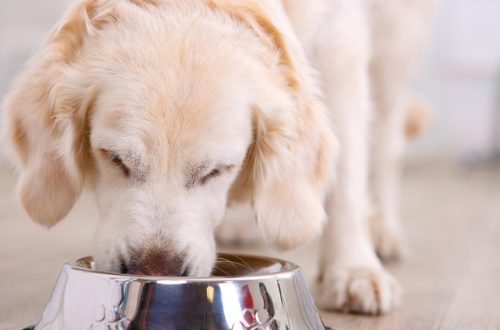
Eating and drinking patterns are closely tied to overall health. A noticeable decrease in appetite often appears before more obvious symptoms develop. I take note if meals are skipped, food is sniffed and ignored, or eating becomes unusually slow and cautious.
Increased hunger or thirst can also be a warning sign. Drinking far more water than usual or acting constantly hungry may relate to hormonal imbalances, metabolic conditions, or digestive issues. Consistent changes in these habits rarely happen without a physical reason behind them.
Digestive Irregularities
Digestive changes tend to stand out quickly when routines are observed closely. Loose stools, constipation, or inconsistent bathroom habits can indicate dietary intolerance, stress, or infection. I look for patterns rather than isolated incidents, since one off day may not mean much.
Vomiting, even when infrequent, should never be ignored if it becomes a pattern. Repeated digestive upset often signals that the gut is irritated or struggling. Early attention to these signs can prevent dehydration and more serious complications later.
Shifts in Behavior and Mood
Behavior often reflects physical health more clearly than many people realize. A normally social pet that becomes withdrawn or irritable may be responding to discomfort. I watch for changes in interaction, such as avoiding touch or seeking isolation more than usual.
Uncharacteristic aggression or clinginess can also be early indicators. These shifts often appear before visible physical symptoms. Emotional changes are frequently the body’s way of signaling that something does not feel right internally.
Changes in Coat and Skin Condition
Skin and coat condition often change gradually, making early signs easy to miss. Increased shedding, dullness, or dryness may indicate nutritional imbalance, allergies, or hormonal issues. I run my hands over my pet regularly because touch often reveals problems before they are visible.
Persistent itching, redness, or small patches of hair loss should not be brushed off as minor irritation. Skin is closely linked to immune health, and early changes often reflect deeper issues. Addressing these signs promptly can prevent infections and chronic discomfort.
Eye and Ear Changes
Eyes and ears provide clear visual clues when something is off. Redness, cloudiness, or discharge from the eyes often points to infection or irritation. I pay attention to how alert and responsive my pet’s eyes appear throughout the day.
Ear issues often show up as frequent head shaking or scratching. Unusual odor, redness, or sensitivity around the ears can signal infection or inflammation. Catching ear problems early can prevent pain and long-term damage.
Subtle Changes in Movement
Movement patterns reveal a lot about joint and muscle health. Hesitation when standing, stiffness after rest, or reluctance to jump or climb can indicate pain or inflammation. I watch how smoothly my pet transitions between positions throughout the day.
Changes in gait are especially important. Limping, uneven steps, or favoring one side may appear briefly at first and then disappear. Even temporary changes can signal early joint or muscle issues that benefit from early care.
Breathing and Coughing Signals
Breathing should be calm and steady during rest. Increased effort, wheezing, or frequent coughing can indicate respiratory or cardiac concerns. I notice whether breathing returns to normal quickly after activity or remains labored.
Persistent coughing, even if mild, is rarely normal. Changes in breathing patterns often progress if ignored. Early attention can help manage conditions before they become severe or limiting.
Weight Fluctuations Without Obvious Cause
Weight changes can happen quietly over time. Gradual weight loss without changes in diet or activity often signals metabolic or digestive problems. I monitor how my pet’s body feels, not just how it looks.
Unexpected weight gain can be just as concerning. Hormonal imbalances, reduced mobility, or fluid retention may contribute. Early detection allows adjustments before strain is placed on joints and organs.
Changes in Elimination Habits
Bathroom habits provide valuable information about internal health. Increased frequency, accidents, or difficulty eliminating can indicate urinary or digestive issues. I pay attention to posture and comfort during elimination as well.
Straining or vocalizing while using the litter box or going outside often signals discomfort. Changes in color or smell of urine and stool can also offer early clues. These signs are often easier to address when caught early.
Oral Health Warning Signs
The mouth often shows early signs of systemic issues. Bad breath that worsens over time may indicate dental disease or infection. I check gums for changes in color, swelling, or sensitivity.
Difficulty chewing or dropping food can point to pain or dental damage. Oral discomfort affects appetite and overall health quickly. Early dental care can prevent more serious problems from developing.
Increased Sensitivity to Touch
Changes in how a pet responds to touch can be very telling. Pulling away, flinching, or growling when touched in specific areas often indicates pain. I take note if previously tolerated handling becomes uncomfortable.
Sensitivity may appear gradually and be easy to dismiss. Over time, it often becomes more pronounced if ignored. Early recognition allows for gentler care and appropriate evaluation.
Reduced Tolerance for Activity
Activity tolerance often declines subtly before major issues appear. A pet that tires more quickly or avoids previously enjoyed exercise may be experiencing discomfort. I compare current stamina with past behavior rather than other pets.
Reduced endurance can stem from joint pain, heart issues, or respiratory concerns. These signs often worsen slowly. Addressing them early helps maintain quality of life and mobility.
Increased Vocalization or Silence
Vocal habits can change with health status. Increased whining, meowing, or other sounds may signal discomfort or confusion. I listen for patterns rather than isolated noises.
Unusual silence can also be a warning sign. A normally vocal pet becoming quiet may be withdrawing due to pain or stress. Both changes deserve attention when they persist.
Trouble Sleeping or Restlessness
Sleep disturbances often reflect underlying issues. Difficulty settling, frequent waking, or pacing at night can indicate discomfort or anxiety. I observe sleep patterns as closely as daytime behavior.
Restless sleep often leads to daytime fatigue, creating a cycle. Early intervention can restore comfort and improve overall well-being. Sleep quality plays a major role in healing and resilience.
Increased Frequency of Minor Illnesses
Frequent minor infections or slow healing can indicate a weakened immune system. Scratches that take longer to heal or repeated skin issues often signal deeper problems. I notice how quickly my pet bounces back from small challenges.
A strong immune response usually means quicker recovery. Repeated setbacks suggest the body is under strain. Early support can help restore balance before serious illness develops.
Final Thoughts
Early warning signs of common pet health issues often appear quietly and gradually. I rely on daily observation, familiarity with normal behavior, and attention to small changes rather than waiting for dramatic symptoms. These early signals provide an opportunity to act before discomfort becomes severe.
Staying attentive builds a stronger bond and supports long-term health. Pets communicate constantly through their bodies and behavior, and learning to read those messages can make a meaningful difference. Recognizing early signs allows care to be proactive, compassionate, and far more effective.
Frequently Asked Questions
What are the most common health problems in dogs and cats?
Common issues include dental disease which affects over 80% of pets over 3, obesity, ear infections, skin conditions, urinary tract infections, arthritis in seniors, and intestinal parasites. Many of these are preventable or manageable when caught early with regular vet check-ups.
How do I know when a pet health symptom is an emergency?
Seek emergency vet care immediately for difficulty breathing, collapse or inability to stand, seizures, suspected poisoning, pale or white gums, bloated abdomen, inability to urinate especially in cats, severe vomiting or diarrhoea with blood, or any trauma from a fall or accident.
What are early warning signs of kidney disease in cats?
Early signs of feline kidney disease include increased thirst and urination, weight loss despite normal appetite, vomiting, lethargy, poor coat condition, and bad breath with a chemical or ammonia-like odour. Regular blood and urine tests from age 7 help catch it early.
What does it mean if my dog is drinking a lot of water?
Increased thirst in dogs can signal diabetes, kidney disease, Cushing’s disease, liver problems, or a urinary tract infection. If your dog is drinking noticeably more than usual for more than 2 days, a vet check with bloodwork and urinalysis is recommended.
How can I tell if my pet is in pain?
Pets hide pain instinctively. Signs include reluctance to move or be touched, limping, changes in posture, flattened ears, excessive grooming of one spot, loss of appetite, unusual vocalisations, dilated pupils, or personality changes such as increased aggression or withdrawal.
How often should I check my pet for lumps and bumps?
Do a gentle full-body check once a month while grooming or petting your dog or cat. Run your hands over their entire body feeling for any new lumps, bumps, or tender spots. Any new growth should be checked by a vet — most are benign but some warrant prompt attention.