Seasonal changes influence far more than the weather outside the window. I have noticed that shifts in temperature, daylight, and daily rhythms often affect pets in subtle but meaningful ways. Energy levels fluctuate, appetites change, and behaviors can look slightly different from one season to the next. Paying attention to these patterns makes it easier to support comfort, health, and emotional balance all year long.
Wellness is not static, and pets respond best when care adapts naturally with the seasons. A routine that works perfectly in spring may need small adjustments during summer heat or winter cold. Seasonal awareness allows daily habits to stay aligned with a pet’s physical and emotional needs. This approach supports long-term health rather than reacting only when problems appear.
Adjusting Daily Routines With Seasonal Shifts
Day length and temperature influence how pets experience time and activity. Longer days often bring higher energy and more curiosity, while shorter days may lead to increased rest. I try to adjust walking times, play sessions, and rest periods to match these natural changes. Aligning routines with daylight helps pets stay balanced rather than overstimulated or lethargic.
Consistency still matters, but flexibility is equally important. Early morning or evening activity often works better during warmer months, while midday outings may feel more comfortable in cooler seasons. Pets tend to relax more easily when routines respect environmental conditions. These small shifts reduce stress and support stable behavior.
Supporting Wellness During Spring Transitions
Spring often brings renewed energy and excitement. Pets may become more playful and curious as temperatures rise and scents change outdoors. I pay attention to gradual increases in activity rather than sudden bursts. This prevents muscle strain and helps pets adjust comfortably after quieter winter months.
Shedding often increases during spring, which affects skin and coat health. Regular grooming supports circulation and reduces irritation. Increased outdoor exposure also means heightened awareness of environmental allergens. Gentle observation helps catch signs of discomfort early, allowing timely adjustments to daily care.
Staying Comfortable Through Summer Heat
Heat management becomes a priority during warmer months. High temperatures can quickly affect hydration, energy levels, and mood. I focus on creating cool resting spaces and limiting strenuous activity during peak heat. Shade, ventilation, and access to fresh water remain essential throughout the day.
Summer also influences appetite and sleep. Some pets eat smaller meals and rest more frequently. Respecting these changes prevents unnecessary stress. Light, engaging activities paired with ample rest support both physical comfort and emotional calm during hotter days.
Protecting Hydration and Skin Health
Hydration needs often increase during warmer seasons. Fresh water should be easily accessible in multiple locations. I monitor drinking habits closely, as changes can signal discomfort. Proper hydration supports digestion, circulation, and temperature regulation.
Skin health can also fluctuate with seasonal conditions. Sun exposure, dry air, or humidity may affect coat condition. Regular grooming and observation help maintain comfort. Healthy skin supports overall wellness and prevents secondary issues from developing.
Easing Into Autumn Adjustments
Autumn brings cooler air and shifting daylight, often leading to changes in energy and mood. Pets may appear calmer or more focused during this transition. I adjust activity levels gradually rather than abruptly reducing exercise. This maintains fitness while respecting seasonal changes.
Falling temperatures can increase comfort for outdoor activities. Longer walks or exploratory play often feel more enjoyable during this season. These moments support both physical health and mental stimulation. Autumn offers a balanced environment that encourages steady routines.
Preparing for Seasonal Routine Changes
Autumn often introduces schedule changes for households, which pets notice quickly. Adjustments in work hours or daily patterns may create mild stress. I maintain consistent feeding and rest times to provide stability. Familiar routines help pets adapt smoothly.
Mental engagement remains important as outdoor time fluctuates. Indoor enrichment supports focus and prevents boredom. Thoughtful adjustments keep pets engaged and relaxed as seasons shift. Stability during transitions strengthens emotional resilience.
Staying Well During Winter Months
Cold weather affects comfort, mobility, and mood. Reduced daylight may lower energy levels, leading to longer rest periods. I ensure activity continues at a comfortable pace to support joint health and circulation. Gentle play and movement prevent stiffness.
Indoor environments become more important during winter. Warm resting areas and draft-free spaces support relaxation. Maintaining comfortable indoor temperatures helps pets conserve energy. A cozy environment encourages rest without excessive inactivity.
Supporting Joint and Mobility Health
Seasonal temperature changes can influence joint comfort, especially for older pets. Cold weather may increase stiffness, while warmth often improves mobility. I incorporate gentle movement into daily routines regardless of season. This keeps joints flexible and muscles engaged.
Soft bedding and supportive resting areas reduce pressure on joints. Consistent movement paired with adequate rest supports long-term mobility. Seasonal awareness allows care to adapt as physical needs evolve. Comfort remains a central focus throughout the year.
Managing Seasonal Changes in Appetite
Appetite often fluctuates with temperature and activity levels. Increased activity may lead to higher food intake during certain seasons, while others bring reduced interest in meals. I observe patterns rather than forcing consistency. Respecting natural appetite shifts supports digestive health.
Meal timing and portion size may need subtle adjustments. Smaller, more frequent meals sometimes suit warmer months better. Cooler seasons may encourage heartier eating. Thoughtful observation helps maintain balance without unnecessary concern.
Maintaining Emotional Balance Year-Round
Emotional wellness responds to environmental changes as much as physical health. Seasonal shifts can influence mood, leading to restlessness or withdrawal. I focus on consistent interaction and reassurance during these times. Familiar voices, routines, and activities provide comfort.
Mental stimulation remains important regardless of season. Engaging activities help prevent boredom and anxiety. Balanced attention supports emotional stability. Pets thrive when emotional needs are acknowledged alongside physical care.
Adapting Play and Enrichment With the Seasons
Play styles naturally evolve throughout the year. High-energy outdoor play often suits mild weather, while quieter indoor activities work better during extremes. I rotate enrichment options to keep experiences fresh and engaging. This variety supports mental health.
Seasonal play adaptation prevents overstimulation and exhaustion. Shorter sessions may be more effective during heat or cold. Consistent engagement maintains confidence and curiosity. Play remains a powerful tool for wellness when adjusted thoughtfully.
Supporting Sleep and Rest Patterns
Sleep patterns often shift with daylight changes. Longer nights may encourage extended rest, while brighter days increase alertness. I allow these changes without forcing rigid schedules. Adequate rest supports immune function and emotional regulation.
Comfortable sleeping environments matter year-round. Temperature, lighting, and noise levels influence rest quality. Seasonal adjustments help maintain restorative sleep. Well-rested pets handle change more easily.
Grooming and Hygiene Across Seasons
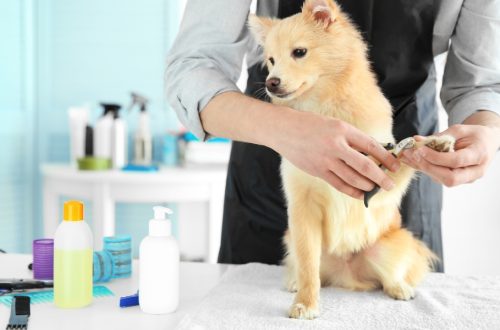
Grooming needs vary with seasonal coat changes. Increased shedding, thicker coats, or skin sensitivity may appear at different times of year. I adapt grooming routines to match these changes. Regular care supports comfort and skin health.
Hygiene also affects emotional well-being. Clean, comfortable pets tend to feel more relaxed. Seasonal grooming prevents irritation and reduces stress. Consistent attention helps catch potential issues early.
Monitoring Behavior During Seasonal Transitions
Behavioral changes often signal discomfort or adjustment challenges. Increased vocalization, restlessness, or withdrawal may coincide with seasonal shifts. I observe these patterns without rushing to conclusions. Awareness allows timely support.
Gentle reassurance and routine stability help pets navigate transitions. Behavioral cues offer insight into emotional needs. Responding with patience strengthens trust. Seasonal awareness deepens understanding of individual pets.
Creating a Seasonally Supportive Home Environment
The home environment plays a key role in seasonal wellness. Temperature control, lighting, and quiet spaces support comfort. I adjust these elements as seasons change. A supportive environment reduces external stressors.
Small changes make a significant difference. Rearranging resting areas or adjusting lighting helps maintain balance. A seasonally responsive home supports both physical and emotional health. Comfort at home influences overall happiness.
Encouraging Consistent Preventative Care
Seasonal awareness complements preventative care routines. Regular check-ins and observation help identify subtle changes. I prioritize proactive support rather than reactive responses. This approach promotes long-term wellness.
Preventative habits remain steady even as seasons change. Observation, routine care, and thoughtful adjustments work together. Consistency builds resilience. Seasonal wellness becomes a natural extension of daily care.
Final Thoughts
Seasonal wellness tips for happy pets center on awareness, flexibility, and consistency. Each season brings unique challenges and opportunities that influence physical comfort and emotional balance. Adapting routines and environments supports health without unnecessary disruption.
By paying attention to seasonal patterns, it becomes easier to meet pets where they are. Small adjustments create meaningful improvements in comfort and mood. Seasonal care strengthens trust and supports lasting happiness throughout the year.