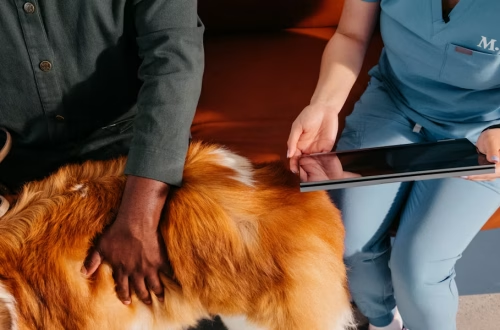
Regular veterinary checkups have shaped the way I care for my pets more than any single product, routine, or training tip I’ve ever tried. Over the years, I’ve seen how small, easily managed issues can quietly grow into serious health problems when they go unnoticed. Those experiences taught me that preventive care is not about overreacting or being overly cautious, but about giving pets the chance to live healthier, more comfortable lives for as long as possible.
I’ve shared my life with animals long enough to know how subtle changes can be. Pets rarely show pain clearly, and when they do, the issue is often already advanced. Regular checkups create a space where trained eyes and hands can detect problems long before they interfere with daily life. That early awareness makes all the difference, both emotionally and financially, and it changes the entire trajectory of a pet’s health.
The Quiet Nature of Pet Health Issues
Pets have an instinct to hide discomfort, which makes it difficult for even attentive owners to notice when something is wrong. I’ve had pets that continued eating, playing, and greeting me at the door while underlying issues slowly developed. Without regular checkups, those problems would have remained invisible until they became emergencies.
Veterinarians are trained to spot early warning signs that most of us would never think to look for. Slight weight changes, subtle shifts in posture, or minor abnormalities in the eyes, ears, or mouth can signal deeper concerns. Routine exams bring these details into focus before they spiral into something far more serious.
Why Prevention Always Beats Treatment
I’ve learned that preventive care is less stressful than reactive treatment in every possible way. Catching an issue early often means simpler solutions, shorter recovery times, and fewer lifestyle disruptions for both pets and owners. Regular checkups create opportunities to address small concerns while they are still manageable.
From a practical standpoint, prevention also saves money over time. Emergency treatments, surgeries, and long-term medications are far more expensive than routine exams and basic screenings. More importantly, preventive care spares pets from unnecessary pain and discomfort that could have been avoided.
Building a Health Baseline
One of the most valuable aspects of regular checkups is establishing a clear health baseline. I’ve seen how knowing a pet’s normal weight, heart rate, dental condition, and behavior helps veterinarians recognize changes quickly. That baseline becomes a reference point for future visits and makes subtle shifts easier to detect.
Over time, this record paints a detailed picture of a pet’s overall health. When something changes, even slightly, it stands out. This approach turns veterinary care into an ongoing conversation rather than a series of isolated visits prompted by illness.
Early Detection of Chronic Conditions
Chronic conditions rarely appear overnight. Issues like arthritis, kidney disease, diabetes, and heart problems often develop gradually. I’ve witnessed how regular checkups allow these conditions to be identified early, sometimes before symptoms are obvious at home.
Early detection opens the door to lifestyle adjustments, dietary changes, and treatments that slow progression. Instead of reacting to a crisis, care becomes proactive and thoughtful. That shift can add years of comfort and mobility to a pet’s life.
Dental Health Often Tells a Bigger Story
Dental care is one area where regular checkups have consistently proven their value for me. Oral health problems can lead to infections, pain, and even damage to internal organs if left untreated. Many pets tolerate dental discomfort quietly, making it easy to overlook.
Veterinary exams include oral assessments that reveal plaque buildup, gum inflammation, or broken teeth. Addressing these issues early prevents infections from spreading and improves overall health. I’ve come to see dental checkups as a window into a pet’s broader well-being.
Vaccinations and Preventable Diseases
Staying up to date on vaccinations is a cornerstone of preventive care. Regular checkups ensure that immunizations are given at the right time and adjusted based on age, lifestyle, and risk factors. I’ve always appreciated having a professional guide these decisions rather than guessing on my own.
Vaccines protect against diseases that can be devastating or even fatal. Routine visits also allow veterinarians to discuss emerging risks and regional concerns. This ongoing dialogue keeps pets protected in a world where health threats can change over time.
Parasite Control and Long-Term Comfort
Parasites are more than just a nuisance. Fleas, ticks, and worms can cause serious health problems if left unchecked. Regular checkups provide opportunities to review and adjust parasite prevention strategies based on season and environment.
I’ve learned that consistent prevention is far easier than treating an infestation or parasite-related illness. Routine exams help catch early signs of parasite exposure and ensure that prevention plans remain effective. This attention to detail keeps pets comfortable and reduces the risk of disease transmission.
Monitoring Weight and Nutrition
Weight management is another area where regular checkups make a noticeable difference. Small weight changes can signal underlying health issues or dietary imbalances. I’ve relied on veterinary input to fine-tune feeding routines and portion sizes over the years.
Discussing nutrition during checkups helps ensure that diets align with a pet’s age, activity level, and health needs. These conversations often uncover simple adjustments that prevent obesity-related problems like joint strain and heart disease.
Behavioral Changes as Health Signals
Behavior often reflects physical health, and regular checkups provide a space to talk about subtle changes. I’ve mentioned things like decreased energy, altered sleep patterns, or shifts in appetite during routine visits, only to discover underlying medical explanations.
Veterinarians consider behavior as part of the whole picture. Addressing these changes early can prevent frustration and confusion at home while uncovering health issues that might otherwise remain hidden.
Senior Pets Benefit Even More
As pets age, regular checkups become increasingly important. Older animals are more vulnerable to chronic conditions and age-related changes. I’ve seen how more frequent exams for senior pets lead to earlier interventions and better quality of life.
These visits often include additional screenings tailored to aging bodies. Rather than waiting for problems to escalate, regular monitoring allows for thoughtful adjustments that support comfort and mobility in later years.
Strengthening the Vet-Owner Relationship
Consistency builds trust, and regular checkups strengthen the relationship between pet owners and veterinarians. I’ve found that familiarity leads to better communication and more personalized care. Veterinarians who know a pet’s history can make more informed decisions.
This relationship also makes it easier to ask questions and voice concerns. Routine visits feel less intimidating than emergency appointments, creating a collaborative approach to pet care.
Reducing Stress During Emergencies
One unexpected benefit of regular checkups is reduced stress during emergencies. When a serious issue does arise, having an established veterinary relationship and up-to-date records makes the situation easier to manage.
Pets that are accustomed to clinic visits also tend to handle emergencies better. Familiar environments and faces can reduce anxiety during already stressful moments. This comfort level can improve outcomes and recovery.
Cost Predictability and Planning
Regular checkups help spread healthcare costs over time. Instead of facing sudden, overwhelming expenses, preventive care allows for predictable planning. I’ve found this approach far easier to manage financially and emotionally.
Knowing what to expect from routine care also makes it easier to budget and prioritize health needs. This consistency removes much of the uncertainty that often surrounds pet healthcare.
Peace of Mind for Pet Owners
Perhaps the greatest benefit of regular checkups is peace of mind. Knowing that a professional is monitoring a pet’s health provides reassurance that nothing important is being overlooked. I’ve slept better knowing that small issues are addressed before they become serious.
This confidence allows me to enjoy time with my pets without constant worry. Preventive care shifts focus from fear of illness to appreciation of everyday moments.
Encouraging Responsible Pet Ownership
Regular checkups reinforce a mindset of responsibility and commitment. They serve as reminders that pet care goes beyond daily feeding and playtime. I’ve come to see these visits as part of the promise we make when we bring animals into our lives.
This perspective encourages thoughtful decision-making and long-term planning. It transforms pet ownership into a partnership grounded in care and attention.
Final Thoughts
Regular checkups prevent bigger problems by turning pet healthcare into an ongoing, proactive process rather than a series of reactions to crises. Through early detection, preventive care, and consistent monitoring, these visits protect pets from unnecessary suffering and extend their quality of life. My experience has shown me that routine veterinary care is one of the most powerful tools we have to support the animals who depend on us every day.