Busy days do not stop pets from needing structure, guidance, and interaction. I learned this the hard way during periods when my schedule felt packed from morning to night, yet my pets still looked to me for consistency. Training did not disappear from my priorities, but it had to change shape to realistically fit into everyday life.
What surprised me most was how effective short, intentional routines could be. Training did not need to happen in long, formal sessions to make progress. With the right mindset and planning, even the busiest schedule can support meaningful training that benefits both pets and people.
Why Time Pressure Changes Training
Time pressure often creates guilt around pet care. I used to feel that if I could not dedicate long blocks of time, I was falling short. That mindset made training feel like another obligation rather than a shared activity.
Shifting perspective helped tremendously. Training became something woven into daily life instead of a separate task. Once I accepted that consistency mattered more than duration, training felt manageable again.
Focusing on Quality Over Quantity
Short sessions can be powerful when they are focused. I stopped worrying about how long training lasted and paid attention to how engaged my pet was during those moments. Even five focused minutes could reinforce good habits.
Quality meant fewer distractions and clearer communication. By staying present, I made those brief sessions count. That focus often led to better results than longer, unfocused attempts.
Using Daily Routines as Training Opportunities
Daily routines offered countless chances for training without adding extra time. Feeding, walks, and play naturally created moments for reinforcing behavior. I began treating these routines as built-in training sessions.
Simple actions like asking for calm behavior before meals added structure. Repeating these small expectations every day helped reinforce consistency. Over time, these moments became automatic for both of us.
Morning Micro-Sessions
Mornings are often rushed, but they still offer valuable opportunities. I added quick training cues into the start of the day. These moments set a positive tone without delaying my schedule.
Short commands practiced while preparing for work kept training fresh. Even brief engagement helped my pets stay mentally active. Starting the day this way created momentum that carried forward.
Training During Walks
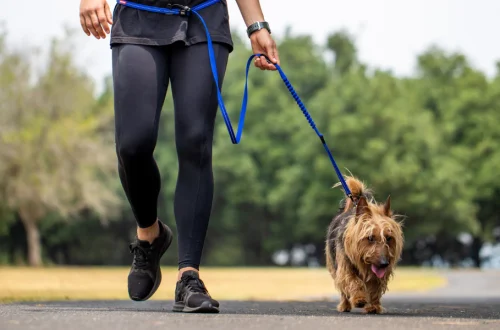
Walks became one of the most efficient training windows. Instead of focusing solely on exercise, I used walks to practice attention and calm behavior. This multitasking approach saved time and reinforced skills in real-world settings.
Pausing briefly to reinforce good behavior made a difference. Walks felt more purposeful without becoming longer. Training blended naturally into an activity we already shared.
Making Evenings Count Without Exhaustion
Evenings often come with fatigue, so expectations need to stay realistic. I avoided complex training at the end of long days. Instead, I focused on reinforcing behaviors already introduced.
Calm activities worked best during this time. Low-energy games and gentle practice maintained consistency without adding stress. These quieter sessions helped end the day on a positive note.
Breaking Training Into Small Goals
Large goals can feel overwhelming with a busy schedule. Breaking them into smaller steps made progress feel achievable. Each small success built confidence for both me and my pet.
I focused on one behavior at a time rather than juggling many. This clarity made training more efficient. Progress felt steady even when time was limited.
Using Consistent Cues Everywhere
Consistency saves time by reducing confusion. I made sure the same cues were used in every situation. This clarity helped my pet respond faster and with less repetition.
Using consistent language and gestures reinforced learning. Over time, fewer reminders were needed. That efficiency made training easier to maintain despite a busy lifestyle.
Turning Play Into Training
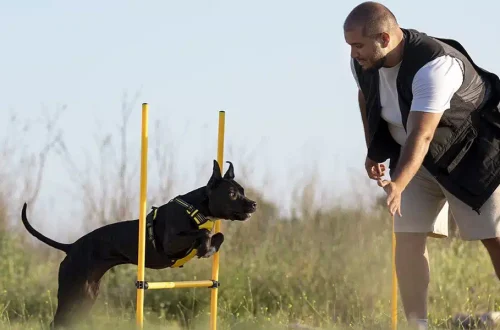
Playtime doubled as training when approached intentionally. Games encouraged movement, focus, and cooperation. I chose activities that naturally reinforced desired behaviors.
Play-based training kept things enjoyable. It reduced pressure and increased engagement. Training no longer felt like work, even on the busiest days.
Short Sessions Spread Throughout the Day
Instead of one long session, I spread training across the day. Brief moments added up without feeling intrusive. This approach kept learning fresh and prevented burnout.
Multiple short interactions also improved retention. My pet stayed engaged without becoming overwhelmed. Spreading sessions made training fit smoothly into daily life.
Managing Expectations During Busy Periods
Some weeks were busier than others. During those times, I adjusted expectations rather than abandoning training altogether. Maintaining basic routines mattered more than pushing progress.
Giving myself grace prevented frustration. Training remained consistent, even if progress slowed temporarily. That flexibility helped sustain long-term habits.
Involving Family Members or Housemates
Sharing responsibility eased time pressure. I communicated training goals clearly so everyone followed the same approach. This teamwork reinforced consistency even when I was unavailable.
Simple guidelines ensured alignment. When everyone used the same cues, training progressed smoothly. Shared effort made busy schedules easier to manage.
Using Calm Moments for Reinforcement
Not all training needs high energy. Quiet moments provided opportunities to reinforce calm behavior. I acknowledged relaxed states rather than focusing only on active commands.
Reinforcing calmness helped balance energy levels. These moments required no extra time. Over time, calm behavior became more consistent throughout the day.
Planning Ahead for Consistency
Planning prevented training from being overlooked. I mentally mapped out where training fit into my routine. This preparation made follow-through easier.
Even simple reminders helped. Knowing when training would happen reduced decision fatigue. Planning ensured training stayed consistent despite changing schedules.
Adapting Training to Energy Levels
Energy fluctuates for both pets and people. I adjusted training intensity based on how we felt. Low-energy days focused on reinforcement rather than new skills.
Listening to these cues prevented frustration. Training remained positive rather than forced. This adaptability kept routines sustainable.
Using Visual and Environmental Cues
The environment itself became a training tool. Specific locations signaled training time, even if brief. This association helped my pet focus quickly.
Visual cues reduced the need for verbal reminders. Over time, training became more intuitive. Environmental consistency saved time and effort.
Avoiding Overcomplication
Simple routines are easier to maintain. I avoided overloading training with too many techniques. Clear, straightforward methods fit better into a busy lifestyle.
Simplicity reduced stress. Training felt approachable rather than demanding. This mindset made consistency possible even on hectic days.
Staying Patient With Gradual Progress
Progress often came in small increments. I reminded myself that steady improvement mattered more than speed. Patience kept training enjoyable rather than stressful.
Recognizing progress maintained motivation. Even subtle changes showed that effort was working. Busy schedules did not stop growth when patience stayed present.
Reflecting on What Works Best
Regular reflection helped refine routines. I paid attention to which times and methods worked best. Adjusting based on results improved efficiency.
This reflection prevented wasted effort. Training evolved alongside my schedule. Flexibility ensured routines stayed realistic.
Final Thoughts
Training routines that fit busy schedules are built on intention, flexibility, and consistency. I discovered that meaningful progress does not require endless time, only thoughtful use of the moments already available. With realistic expectations and simple routines, training can thrive even in the busiest lives.