Training does not have to feel repetitive or serious to be effective. Some of the biggest breakthroughs I have seen came from moments that felt more like play than instruction. Turning training into games changed how my pet engaged, how long focus lasted, and how quickly new behaviors stuck.
Games tap into natural instincts like curiosity, problem-solving, and playfulness. Instead of asking a pet to perform on command, games invite participation. That shift makes learning feel rewarding rather than demanding, which strengthens both behavior and the relationship behind it.
Why Games Improve Training Results
Games naturally lower pressure during training. When the atmosphere feels relaxed, pets are more willing to try, fail, and try again. That willingness speeds up learning far more than rigid repetition ever could.
Play also increases motivation. Pets pay closer attention when training feels enjoyable. Focus improves because engagement comes from interest rather than obligation.
Building Engagement Before Teaching Skills
Engagement is the foundation of effective training. Games help capture attention before introducing any formal expectations. A pet that is mentally present learns faster and retains information longer.
I noticed that starting sessions with a short game created momentum. Once engagement was established, transitioning into skill-building felt seamless. Games warmed up both the mind and body.
Using Games to Strengthen Focus
Focus is a skill that improves with practice. Training games encourage pets to pay attention without forcing stillness. Movement-based games kept energy balanced while reinforcing attention.
Short bursts of focused play prevented boredom. Attention lasted longer across sessions. Over time, focus became a habit rather than a struggle.
The Value of Short, Playful Sessions
Long sessions often lead to fatigue and frustration. Games thrive in short bursts that end on a positive note. Ending sessions early kept enthusiasm high.
Frequent, playful interactions built consistency without pressure. Progress happened through repetition across days rather than intensity in one session. Games fit naturally into daily routines.
Name Recognition Games
Responding to a name forms the basis of communication. Turning this into a game made it more reliable. Calling the name and rewarding attention reinforced the connection quickly.
Adding movement increased excitement. Changing positions or hiding briefly added challenge. The game encouraged quick responses without tension.
Follow-the-Leader Games
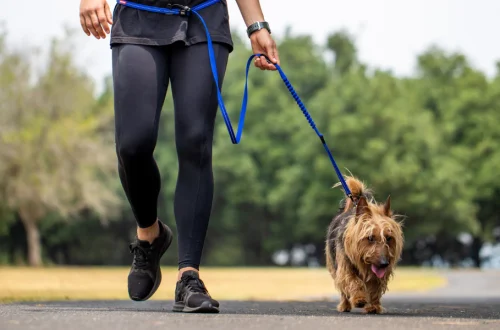
Following behavior builds awareness and responsiveness. Turning this into a game made it fun rather than restrictive. Moving around the house encouraged natural following.
Gradually adding pauses and direction changes increased difficulty. This game supported leash manners and attention. It also strengthened the habit of staying nearby.
Hide and Seek for Recall Practice
Hide and seek became one of the most effective recall games. Hiding briefly and calling encouraged searching and problem-solving. Finding me felt rewarding and exciting.
This game reinforced coming when called without pressure. Success created positive associations with recall. Over time, responses became faster and more reliable.
Targeting Games With Hands or Objects
Targeting builds precision and focus. Teaching a pet to touch a hand or object created endless game variations. This simple concept supported many other skills.
Targets helped guide movement without physical manipulation. Games became interactive and clear. Targeting also improved confidence during new tasks.
Treat Toss Games for Impulse Control
Impulse control often improves through movement-based games. Tossing treats and rewarding patience balanced excitement and restraint. Waiting became part of the fun.
Gradually increasing difficulty strengthened self-control. This game taught that calm behavior led to rewards. Energy stayed positive rather than suppressed.
Puzzle Games for Mental Stimulation
Mental games tire pets in a healthy way. Puzzle toys and problem-solving games encouraged thinking and persistence. Mental effort reduced restless behavior.
Rotating puzzles prevented boredom. Each new challenge sparked curiosity. Mental stimulation supported better behavior outside of training time.
Obstacle Games for Body Awareness
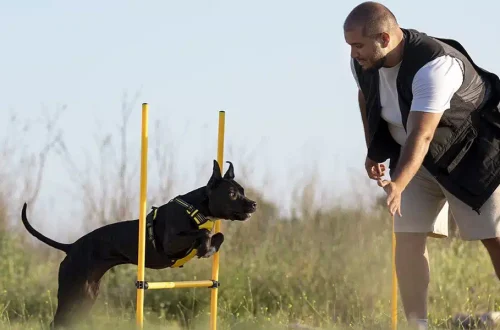
Simple obstacle games improved coordination and confidence. Navigating around furniture or over safe barriers engaged both mind and body. Movement felt purposeful rather than chaotic.
These games encouraged problem-solving through movement. Confidence increased as challenges were mastered. Physical awareness improved naturally.
Find-It Games Using Scent
Scent games tapped into natural instincts. Hiding treats or toys encouraged searching and focus. This game provided mental enrichment without overstimulation.
Difficulty increased gradually by changing locations. Searching became more efficient over time. Scent games supported calm engagement.
Tug Games With Rules
Tug can support training when boundaries are clear. Adding start and stop cues turned tug into a structured game. Control improved without removing excitement.
Rules kept arousal balanced. The game reinforced listening even during play. Tug became a tool rather than a problem.
Chase Games That Reinforce Direction
Chase games often get a bad reputation, but structure makes them useful. Encouraging chase toward specific goals redirected energy. Direction mattered more than speed.
These games reinforced recall and engagement. Ending the game on cue maintained control. Chase became cooperative rather than chaotic.
Shaping Games That Encourage Thinking
Shaping games reward small steps toward a goal. Letting pets experiment builds problem-solving skills. Thinking became part of play.
This approach increased confidence. Pets offered behaviors voluntarily. Learning felt self-driven rather than directed.
Rotation Games to Prevent Boredom
Repeating the same game too often reduces interest. Rotating games kept sessions fresh. Novelty sustained engagement without overwhelming.
A small collection of familiar games worked best. Familiarity provided comfort while variation added excitement. Balance supported consistent learning.
Games That Teach Calm Behavior
Not all games need high energy. Calm games rewarded relaxation and focus. Settling became something to enjoy rather than resist.
Reinforcing calm moments changed overall behavior. Calmness increased naturally. Balance between excitement and rest improved.
Adjusting Games to Individual Personality
Every pet responds differently to games. Some prefer movement, others prefer puzzles or scent work. Observing preferences guided game selection.
Tailoring games improved results. Engagement increased when games matched personality. Training felt personalized rather than generic.
Using Games During Daily Routines
Games fit easily into everyday life. Short games before meals, walks, or rest reinforced habits. Training blended into routines.
Daily integration prevented burnout. Learning happened naturally. Games supported consistency without extra effort.
Preventing Overstimulation During Play
Excitement can escalate if not managed. Ending games before overstimulation preserved focus. Calm transitions mattered.
Watching body language prevented overload. Breaks maintained balance. Games remained positive rather than overwhelming.
Reinforcing Success Without Pressure
Games shift focus from mistakes to success. Rewarding effort encouraged persistence. Learning stayed lighthearted.
This approach reduced frustration. Progress felt encouraging rather than demanding. Confidence grew steadily.
How Games Strengthen the Human-Pet Bond
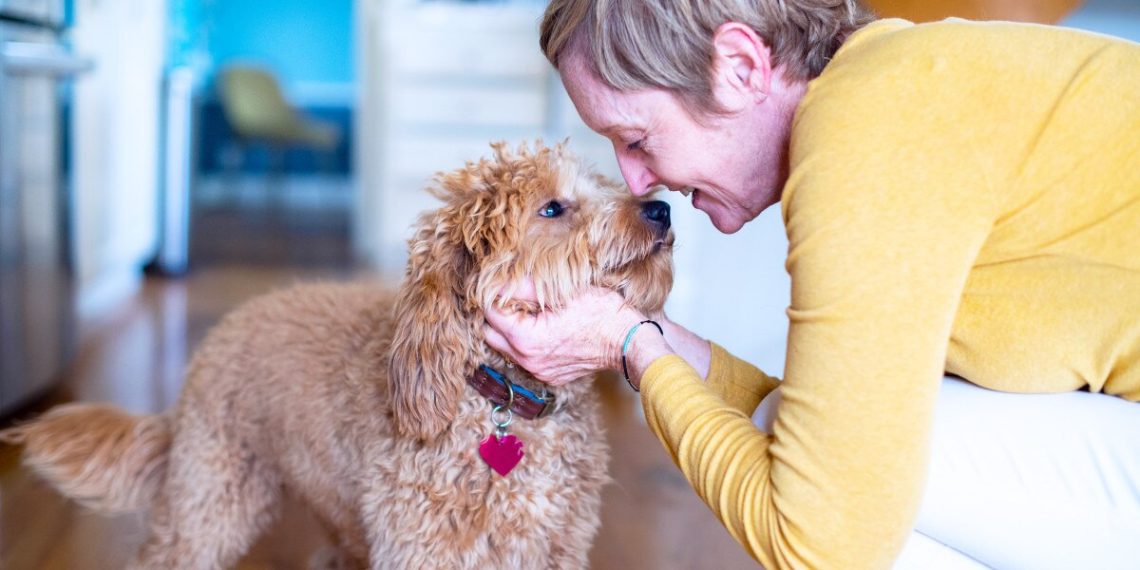
Shared play builds trust. Games created positive shared experiences beyond training goals. Connection deepened through cooperation.
Training stopped feeling transactional. Interaction became enjoyable. The bond strengthened alongside behavior.
Measuring Progress Through Engagement
Progress showed up in enthusiasm and focus. Willing participation mattered more than perfection. Engagement reflected learning.
Noticing these changes kept motivation high. Small improvements felt meaningful. Progress became visible in attitude as well as behavior.
Adapting Games as Skills Improve
As skills developed, games evolved. Increasing difficulty maintained challenge. Growth stayed engaging.
Adapting games prevented plateaus. Learning continued naturally. Flexibility supported long-term improvement.
Long-Term Benefits of Game-Based Training
Game-based training supports lifelong learning. Skills stay sharp through enjoyable practice. Maintenance feels effortless.
Behavior remains reliable because motivation stays high. Games preserve enthusiasm over time. Training becomes a shared hobby rather than a task.
Final Thoughts
Training games transform learning into something pets look forward to. By combining play with purpose, skills develop naturally and reliably. Engagement, focus, and confidence grow through enjoyment rather than pressure.
Games support better behavior while strengthening the relationship behind it. Learning becomes part of everyday life instead of a separate chore. With the right games, training feels less like work and more like connection.