Curious pets turn ordinary homes into places full of hidden risks. Cabinets become mysteries, cords look like toys, and open windows feel like invitations. Living with animals has made me realize that curiosity isn’t a flaw to correct, but a trait to manage thoughtfully. Safety doesn’t mean removing all stimulation; it means shaping an environment where exploration doesn’t end in injury or fear.
A safe home supports confidence rather than restricting it. Pets that feel secure explore calmly instead of frantically, and that calm curiosity leads to healthier behavior overall. Creating that environment takes awareness, consistency, and a willingness to see your home from a pet’s perspective. This article breaks down practical ways to reduce risks while still allowing pets to engage with their surroundings safely.
Seeing Your Home From a Pet’s Perspective
Pets experience the home differently than humans do. Their eye level is lower, their senses are sharper, and their instincts guide attention toward things people overlook. Cords, crumbs, and dangling objects stand out immediately to them.
I’ve learned that walking through a space while imagining being small, fast, and mouth-oriented changes everything. Hazards that seemed invisible suddenly become obvious. This shift in perspective is the foundation of pet-proofing.
Safety improves when curiosity is anticipated rather than punished. Preventing access to danger works better than reacting after something goes wrong.
Managing Floors and Low-Level Hazards
Floors are exploration zones. Anything dropped or stored low becomes accessible quickly. Small objects pose choking risks, while slippery surfaces increase injury chances.
I pay close attention to what ends up on the floor unintentionally. Coins, hair ties, batteries, and bits of plastic are especially tempting. Regular sweeping and mindful storage reduce risk significantly.
Non-slip rugs help pets maintain traction, especially older animals or energetic puppies. Stable footing prevents falls and joint strain over time.
Securing Electrical Cords and Outlets
Cords attract chewing, especially for young pets. Electrical hazards cause serious injuries in seconds. Prevention matters far more than correction.
I bundle cords together and keep them out of reach whenever possible. Protective covers add an extra layer of security. Outlets benefit from covers too, particularly in rooms pets frequent.
Reducing visible cords also reduces temptation. Clean layouts support both safety and calm behavior.
Safe Storage of Household Chemicals
Cleaning supplies, medications, and personal care products pose serious risks. Curious pets don’t distinguish between safe and toxic substances. Open cabinets invite trouble.
I store chemicals in high cabinets or locked containers. Even natural products can be harmful if ingested. Assuming something is safe because it’s plant-based often leads to mistakes.
Clear labeling and consistent storage locations reduce accidents. Safety depends on habit, not memory.
Kitchen Safety for Curious Pets
Kitchens combine smells, heat, and sharp tools. Pets find them fascinating and dangerous. Hot surfaces and dropped food increase risk quickly.
I avoid leaving food unattended on counters. Many foods harmless to humans are toxic to pets. Prevention means eliminating access rather than relying on training alone.
Trash bins need secure lids. Food scraps, bones, and packaging cause choking or poisoning. Containing waste protects curious noses.
Managing Plants and Green Spaces Indoors
Plants add beauty but also risk. Many common houseplants are toxic to pets. Curious chewing leads to digestive distress or worse.
I research every plant before bringing it home. When uncertainty exists, placement out of reach is safest. Hanging planters reduce access without sacrificing greenery.
Soil itself can attract digging and eating. Covering soil surfaces discourages curiosity-driven messes and ingestion.
Windows, Doors, and Fall Prevention
Open windows feel like opportunities to pets, especially cats and small dogs. Screens alone don’t provide adequate protection. Falls happen quickly and silently.
I use secure screens designed for pets and limit window openings. Balcony access gets similar attention. Height doesn’t deter curiosity.
Doors also pose risks. Closing slowly and checking before exiting prevents accidental escapes or injuries. Awareness matters more than speed.
Furniture Stability and Climbing Risks
Pets climb, jump, and push against furniture. Unstable items tip easily under unexpected weight. Tall shelves and TVs need secure anchoring.
I secure heavy furniture to walls where possible. This step prevents crushing injuries during climbing or playful collisions. Stability supports safe exploration.
Furniture placement also matters. Creating clear pathways reduces jumping from risky angles. Layout influences behavior more than many people realize.
Creating Safe Zones for Exploration
Safety doesn’t mean confinement. Pets need designated areas where exploration is encouraged. Safe zones build confidence and reduce frustration.
I create spaces filled with appropriate toys, textures, and enrichment. These areas redirect curiosity away from hazards. Choice empowers pets to explore safely.
Rotating toys keeps these zones interesting. Mental engagement reduces the urge to investigate dangerous areas.
Managing Small Spaces and Tight Gaps
Pets squeeze into tight spaces driven by curiosity or comfort. Behind appliances, under furniture, and inside cabinets hide risks. Entrapment and exposure occur easily.
I block access to narrow gaps using barriers or furniture adjustments. Appliance backs remain inaccessible to prevent burns or electrical injuries.
Monitoring access points regularly catches changes as pets grow or furniture moves. Safety evolves over time.
Bathroom Safety Considerations
Bathrooms combine water, chemicals, and small objects. Toilets, tubs, and cleaning products pose multiple risks. Curious pets investigate freely.
I keep toilet lids closed and medications secured. Hair ties, razors, and dental floss get stored out of reach. These items cause serious internal damage if swallowed.
Even standing water poses risk. Slippery surfaces increase fall chances. Bath mats improve traction and reduce injury.
Laundry Room Hazards
Laundry rooms contain chemicals, cords, and appliances. Open machines attract pets seeking warmth or hiding spots. Accidents happen quietly.
I check washers and dryers before use every time. Lids and doors remain closed when not in use. Detergent pods get locked away immediately.
Lint traps and stray socks attract chewing. Keeping the area tidy reduces temptation and danger.
Safe Use of Gates and Barriers
Gates help manage access without isolation. Proper installation matters to prevent collapse or climbing injuries. Poorly secured barriers create false safety.
I choose gates designed for pets rather than improvised solutions. Height and stability matter depending on species and size. Regular checks ensure continued effectiveness.
Barriers work best when combined with enrichment elsewhere. Blocking access alone increases frustration if alternatives aren’t provided.
Managing Cords, Strings, and Dangling Objects
Strings trigger hunting instincts. Curtains, blind cords, and decorative items invite play that quickly turns dangerous. Entanglement causes panic and injury.
I shorten or secure cords and avoid dangling decorations. Window blind cords get safety devices or replacements. Reducing movement reduces temptation.
Awareness extends beyond obvious items. Gift wrap, shoelaces, and charger cables require attention too.
Fireplaces, Heaters, and Heat Sources
Heat attracts pets seeking comfort. Fireplaces and heaters pose burn risks even when appearing inactive. Residual heat causes injury.
I use protective screens around fireplaces and space heaters. Radiators remain inaccessible whenever possible. Awareness extends to candles and stovetops.
Monitoring temperature prevents overheating. Pets need warm spaces, not dangerous ones.
Noise and Sensory Safety
Safety includes emotional wellbeing. Loud noises, flashing lights, and constant stimulation create stress. Curious pets become overwhelmed quickly.
I minimize unnecessary noise and provide quiet retreat spaces. Consistent environments reduce anxiety-driven behavior. Calm homes support safer exploration.
Sensory overload leads to poor decision-making in pets. Emotional safety supports physical safety.
Safe Toy Selection and Rotation
Toys enrich lives but also pose risks. Small parts, weak seams, and inappropriate sizes cause choking or ingestion. Supervision matters.
I select toys suited to pet size and behavior. Regular inspection catches wear before failure. Damaged toys get replaced immediately.
Rotating toys keeps interest high without clutter. Less clutter reduces accidental ingestion.
Food Storage and Feeding Areas
Food attracts curiosity. Open bags and accessible containers invite overeating or poisoning. Consistent storage prevents accidents.
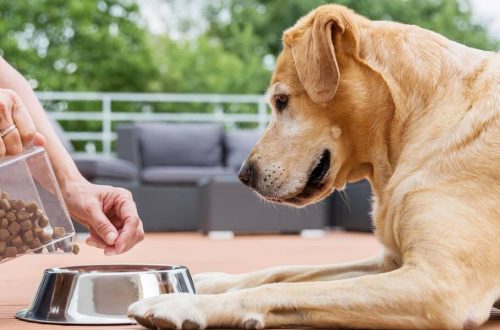
I store pet food in sealed containers and human food out of reach. Feeding areas remain clean to avoid scavenging. Routine reduces anxiety-driven behavior.
Preventing access protects both health and safety. Discipline isn’t required when prevention works.
Trash and Recycling Safety
Trash smells interesting and hides sharp or toxic items. Pets explore bins easily. Secure lids matter more than placement alone.
I choose heavy, locking bins and empty them regularly. Recycling also needs containment. Aluminum edges and glass pose injury risks.
Reducing temptation prevents dangerous habits. Trash should never be an enrichment activity.
Safe Handling of Tools and Hobby Supplies
Tools, craft supplies, and hobby materials contain hazards. Paints, glues, and sharp objects attract curious pets during projects. Temporary exposure creates lasting risk.
I clean up immediately after activities. Storage remains consistent to avoid confusion. Pets don’t understand temporary danger.
Planning projects with pet safety in mind reduces stress. Preparation prevents accidents.
Emergency Preparedness Inside the Home
Emergencies happen unexpectedly. Prepared homes reduce panic and injury. Clear exits and accessible supplies matter.
I keep pet first aid supplies readily available. Emergency plans include pets explicitly. Knowing where carriers and leashes are saves time.
Preparation supports calm responses. Calm responses reduce risk.
Teaching Safe Exploration Through Guidance
Safety doesn’t replace training. Teaching boundaries helps pets navigate environments confidently. Guidance works best alongside prevention.
I reinforce calm behavior around restricted areas. Redirection teaches what’s allowed rather than focusing on punishment. Positive experiences shape habits.
Training complements environment design. Both work together to support safety.
Monitoring Changes Over Time
Homes change, and so do pets. Growth, aging, and behavioral shifts alter risk levels. Regular reassessment matters.
I review spaces periodically. New furniture, decorations, or routines introduce hazards. Awareness prevents complacency.
Safety remains a process, not a one-time task. Ongoing attention keeps environments supportive.
Creating Vertical Space for Climbers
Cats and some dogs benefit from vertical exploration. Without appropriate outlets, they climb unsafe furniture. Providing alternatives improves safety.
I install shelves or trees designed for pets. These structures satisfy instincts without risking injury. Proper placement matters.
Vertical enrichment reduces stress and redirects curiosity productively.
Lighting and Visibility
Poor lighting increases accidents. Pets misjudge distances and obstacles in dim spaces. Visibility supports safe movement.
I ensure hallways and staircases have adequate lighting. Night lights help pets navigate after dark. Simple adjustments prevent falls.
Clear visibility supports confidence. Confident pets move more safely.
Outdoor Access Points Inside the Home
Doors leading outside require extra attention. Curious pets attempt escapes quickly. Screens and secondary barriers help.
I double-check latches and install pet-safe door screens. Visual barriers reduce door-dashing behavior. Preparation prevents panic.
Controlled access supports both safety and training goals.
The Role of Routine in Home Safety
Routine reduces risky exploration. Predictable schedules lower anxiety-driven curiosity. Calm pets make better choices.
I maintain consistent feeding, play, and rest times. Structure supports emotional balance. Balanced pets explore thoughtfully.
Routine anchors behavior. Safety improves when stress decreases.
Involving the Whole Household
Safety requires cooperation. Inconsistent habits create gaps. Everyone needs awareness.
I communicate rules clearly. Shared responsibility prevents accidents. Children and guests need guidance too.
Consistency protects pets. Safety depends on teamwork.
Final Thoughts
Curious pets don’t need dull homes. They need thoughtfully designed ones. Safety and stimulation work best together, not in opposition.
Creating a safe environment means anticipating curiosity rather than reacting to it. Small changes make meaningful differences. Awareness shapes outcomes.
A home that supports exploration without danger builds confident, relaxed pets. That confidence strengthens trust and deepens the bond shared every day.