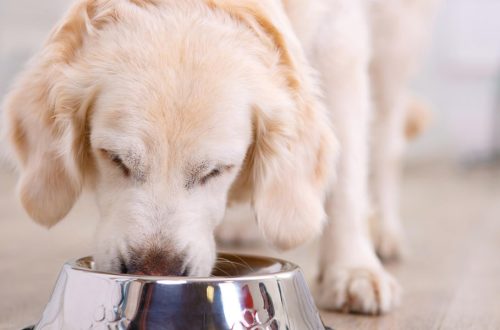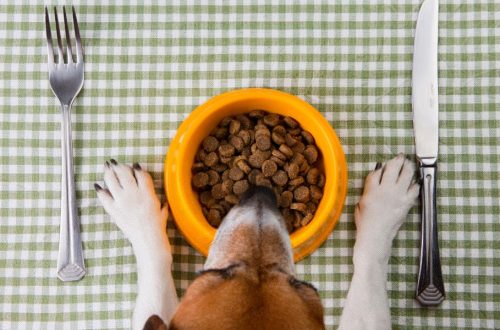
Diet shows up fast in a pet’s daily life. I see it in their energy, their mood, and even the way they greet me in the morning. Food is not just fuel for pets; it quietly shapes how they feel and behave every single day. Over time, I have learned that when a diet is off, the signs are usually there long before a serious problem develops.
I have spent years paying close attention to how pets respond to what goes in their bowl. Some changes are obvious, while others are subtle and easy to dismiss. The challenge is noticing patterns early instead of brushing them off as personality quirks or normal aging. Paying attention to these signals can make a real difference in a pet’s comfort and long-term health.
Changes in Energy Levels
Energy is often the first thing I notice when a diet stops working. A pet that once bounced up eagerly for walks or playtime may start moving more slowly or seem reluctant to engage. This drop in energy can happen gradually, making it easy to miss until it becomes a daily pattern.
On the other end of the spectrum, excessive restlessness can also point to dietary issues. Some pets become jittery or unable to settle when their food contains ingredients that do not suit them. Watching how energy fluctuates throughout the day gives useful clues about whether their nutritional needs are being met.
Digestive Issues That Do Not Resolve
Digestive health reflects diet quality more clearly than almost anything else. Frequent diarrhea, constipation, or inconsistent stool is a strong sign that something is not agreeing with your pet. Occasional stomach upsets happen, but ongoing problems deserve closer attention.
I also watch for gas, bloating, or visible discomfort after meals. These symptoms suggest that ingredients may be hard to digest or poorly balanced. A diet that works well should support regular, predictable digestion without constant upset.
Changes in Coat and Skin Condition
A pet’s coat tells a story about what is happening internally. Dull fur, excessive shedding, or dry, flaky skin can point to nutritional gaps. I often see this when a diet lacks adequate fatty acids or relies too heavily on fillers.
Itching and frequent scratching can also be linked to food sensitivities. While environmental allergies exist, diet-related reactions often show up consistently regardless of season. A healthy diet usually supports a soft coat and comfortable skin without constant irritation.
Unexplained Weight Gain or Loss
Weight changes without a clear reason are a red flag I never ignore. A pet gaining weight despite controlled portions may be eating food that is too calorie-dense or poorly balanced. Over time, this can strain joints and organs, reducing overall quality of life.
Weight loss can be just as concerning. If a pet eats regularly but still loses weight, their body may not be absorbing nutrients properly. Monitoring weight over time helps reveal whether a diet truly supports a pet’s needs.
Changes in Appetite
Appetite shifts can signal that something is wrong with a diet. Some pets suddenly lose interest in food they once enjoyed, leaving meals unfinished or skipping them altogether. This behavior often reflects discomfort, boredom with ingredients, or digestive unease.
An increased appetite can also be a sign of trouble. Pets that seem constantly hungry may not be receiving enough usable nutrition from their food. Watching how enthusiasm for meals changes provides valuable insight into dietary suitability.
Behavioral Changes
Diet affects behavior more than many people realize. I have seen pets become irritable, anxious, or unusually withdrawn when their food does not support their system. These changes can be subtle, showing up as less patience during handling or increased sensitivity to noise.
Some pets become lethargic and uninterested in their surroundings. Others appear more reactive or restless than usual. When behavior shifts alongside dietary changes, it is worth considering whether food is playing a role.
Frequent Ear or Skin Infections
Recurring infections can sometimes be traced back to diet. Ears that become inflamed repeatedly or skin that struggles to heal may reflect underlying sensitivities. Certain ingredients can trigger inflammatory responses that weaken natural defenses.
I pay attention when treatments resolve symptoms only temporarily. If problems return again and again, food may be contributing. A supportive diet often reduces the frequency and severity of these issues over time.
Excessive Thirst or Urination
Changes in drinking habits can hint at dietary imbalances. Pets that suddenly drink far more water than usual may be responding to excess salt or poor-quality ingredients. Increased urination often follows, which can disrupt routines and comfort.
While medical conditions must always be ruled out, diet remains an important factor. Watching water intake alongside food changes helps identify whether nutrition is contributing to the problem.
Dental Issues and Bad Breath
Oral health is closely tied to diet, and it often gets overlooked. Persistent bad breath, gum inflammation, or rapid tartar buildup can signal that a diet is not supporting dental health. Some foods leave residue that promotes bacterial growth.
I also notice when chewing habits change. Pets that avoid certain textures may be experiencing discomfort linked to their food. A diet that supports oral health usually results in fresher breath and more comfortable chewing.
Low Immunity and Frequent Illness
A diet that does not meet nutritional needs can weaken the immune system. Pets may catch infections more easily or take longer to recover from minor illnesses. This pattern often develops slowly, making it harder to connect to food.
I watch for repeated vet visits for unrelated issues. When the body lacks essential nutrients, resilience drops. Nutrition plays a foundational role in keeping defenses strong.
Changes in Stool Appearance
Beyond frequency, stool appearance offers important clues. Very pale, dark, or greasy stool can indicate poor digestion or fat absorption problems. Consistency that swings between extremes also suggests imbalance.
I find it helpful to observe stool regularly rather than only when problems arise. Healthy digestion usually produces stool that is firm, easy to pass, and consistent. Deviations from this norm often point back to diet.
Flatulence and Abdominal Discomfort
Excessive gas is not just unpleasant; it often signals poor ingredient quality or intolerance. Pets may show discomfort by stretching frequently or avoiding lying on their sides. These signs can be easy to overlook if they appear mild.
I pay attention to patterns around mealtimes. If discomfort follows eating consistently, diet deserves scrutiny. A suitable food should digest smoothly without causing ongoing abdominal stress.
Poor Muscle Tone or Weakness
Muscle condition reflects protein quality and balance. Pets on inadequate diets may lose muscle mass even if they appear well-fed. This can affect mobility and overall strength.
I notice this most in aging pets, where muscle loss is sometimes blamed solely on age. Diet plays a crucial role in maintaining muscle health throughout life. Proper nutrition helps preserve strength and stability.
Changes in Mood and Engagement
Mood shifts can be tied to nutrition in surprising ways. Pets may seem less engaged with family members or lose interest in favorite activities. This withdrawal often coincides with dietary changes.
I have also seen increased clinginess or anxiety linked to food that does not suit a pet. Emotional well-being depends partly on physical comfort. Diet influences both more than many expect.
Increased Shedding or Hair Loss
Shedding patterns can change when a diet lacks essential nutrients. Excessive hair loss outside normal seasonal shedding deserves attention. I often see this alongside dull coats or skin irritation.
Hair growth relies on adequate protein, vitamins, and fats. When these are missing or poorly absorbed, the coat suffers. Adjusting diet often leads to noticeable improvement over time.
Lethargy After Meals
Post-meal lethargy can indicate that digestion is taxing a pet’s system. Some pets become sluggish or need extended rest after eating. This response suggests that food may be difficult to process.
I observe whether this happens consistently or only after certain meals. A balanced diet should provide energy, not drain it. Persistent fatigue after eating points to a mismatch between food and needs.
Difficulty Maintaining Healthy Weight
Some pets struggle to maintain a stable weight despite consistent feeding. Fluctuations can indicate metabolic stress or poor nutrient absorption. This pattern often frustrates owners who feel they are doing everything right.
I look at the quality of calories, not just quantity. Food that fills the bowl but lacks usable nutrition fails to support healthy weight. Stability often improves with better-balanced options.
Changes in Sleep Patterns
Sleep habits can reflect dietary health. Pets may sleep excessively or struggle to settle at night when nutrition is off. These changes affect overall well-being and daily routines.
I notice whether sleep disturbances coincide with diet changes. Restful sleep supports healing and energy. Diet plays a quiet but important role in sleep quality.
Signs of Joint Stiffness or Discomfort
Joint health is influenced by nutrition, especially over time. Stiffness, reluctance to jump, or slower movement may reflect inflammation linked to diet. While age contributes, food can either support or strain joints.
I pay attention to subtle hesitations during movement. Diets lacking supportive nutrients may accelerate discomfort. Proper nutrition helps maintain flexibility and comfort.
Lack of Interest in Treats or Rewards
A sudden lack of interest in treats can signal deeper issues. Pets usually respond enthusiastically to rewards, so indifference stands out. This change may reflect nausea or general discomfort tied to diet.
I also consider whether treats differ from regular food. If enthusiasm drops across the board, diet deserves review. Appetite cues often reveal underlying problems.
Final Thoughts
Diet quietly shapes nearly every aspect of a pet’s life. From energy and digestion to mood and immunity, food leaves a daily imprint that is hard to ignore once you know what to watch for. I have learned that noticing small changes early can prevent larger issues later.
Paying attention to patterns rather than isolated incidents makes it easier to spot when a diet is not working. Pets rely on us to interpret these signals and act in their best interest. Adjusting food thoughtfully can restore balance, comfort, and vitality, helping pets feel their best every day.