Safety is one of those things that quietly shapes every interaction between pets and the world around them. Walks, car rides, vet visits, and even time spent in the backyard all carry small risks that add up if the right precautions are not in place. I have seen how a simple piece of gear, used correctly, can prevent accidents, reduce fear, and create smoother daily routines. A collar or harness is not just an accessory; it is a direct connection between a pet and their environment.
The difference between a well-fitted option and a poorly matched one becomes obvious over time. Pets communicate comfort or discomfort through body language long before they show obvious distress. Paying attention to how a collar or harness supports movement, control, and identification has taught me that safety is rarely about restraint alone. It is about balance, communication, and trust built through thoughtful equipment choices.
The Role of Everyday Gear in Pet Safety
Daily routines expose pets to unpredictable situations. Loud noises, sudden movements, unfamiliar animals, and busy streets all create moments where control matters. A collar or harness acts as the first line of protection in these scenarios.
I have noticed that pets equipped with reliable gear respond better to guidance during stressful moments. They feel supported rather than restricted, which reduces panic responses. This sense of security allows pets to focus on cues instead of reacting impulsively.
Safety also extends beyond physical control. Proper gear supports emotional stability by creating consistency. Pets learn what to expect from their equipment, and that familiarity lowers anxiety during outings.
Collars as Identification and Communication Tools
Collars play a crucial role in identification. Tags attached to a collar provide immediate information if a pet becomes separated. This simple function can dramatically shorten the time it takes to reunite pets with their owners.
Beyond identification, collars act as subtle communication tools. Gentle leash pressure transmitted through a collar can signal direction or pause without force. I have found that calm, consistent cues encourage cooperation rather than resistance.
Visibility also matters. Reflective collars improve safety in low-light conditions. Increased visibility reduces the risk of accidents during early morning or evening walks.
Harnesses and Body Support Benefits
Harnesses distribute pressure across a larger area of the body. This design reduces strain on the neck and throat, which is especially important for pets that pull or lunge. The difference in comfort becomes clear almost immediately.
I have observed improved posture and calmer movement when pets switch to well-designed harnesses. Reduced pressure allows for more natural breathing and movement. This support encourages longer, more relaxed walks.
Harnesses also offer better control in high-distraction environments. Steering the body rather than the neck provides stability without discomfort. That balance enhances safety for both pet and handler.
Preventing Escape and Accidental Injuries
Escaping from gear is a common safety risk. Ill-fitting collars can slip off, and poorly designed harnesses can twist or loosen. Preventing escape starts with proper fit and secure construction.
A snug but comfortable fit ensures that gear stays in place without restricting movement. I regularly check fit as pets grow or change weight. This habit prevents accidents caused by loosened equipment.
Secure buckles and reinforced stitching add another layer of safety. Durable construction withstands sudden pulls or movements. Reliability matters most in unexpected moments.
Managing Strong Pullers and Reactive Pets
Some pets naturally pull or react strongly to stimuli. Gear that amplifies these behaviors increases risk. The right collar or harness can redirect force and reduce tension.
Front-clip harnesses, for example, gently guide movement back toward the handler. This design discourages pulling without causing pain. I have seen noticeable improvements in walking behavior with consistent use.
Reducing physical strain also protects handlers. Better control lowers the risk of falls or injuries. Safety works both ways in shared environments.
Protecting the Neck and Spine
The neck and spine are sensitive areas. Repeated pressure or sudden jolts can cause long-term damage. Collars that focus force on the neck require careful use.
Harnesses that distribute weight across the chest and shoulders reduce this risk. They allow the body to absorb movement more evenly. Over time, this protection supports joint and spinal health.
I pay close attention to how pets move while wearing gear. Smooth, unrestricted movement signals proper support. Any sign of strain calls for adjustment or replacement.
Safety During Car Travel
Vehicle travel introduces unique risks. Unrestrained pets can become projectiles during sudden stops. Collars and harnesses designed for car use address this danger.
Crash-tested harnesses secure pets while allowing comfortable positioning. They prevent excessive movement without creating panic. I have noticed calmer behavior when pets feel supported rather than confined.
Car safety also protects drivers. Reduced distractions improve focus and reaction time. Proper restraint benefits everyone on the road.
Visibility and Awareness in Public Spaces
Public spaces bring increased exposure to traffic, bicycles, and crowds. Visibility plays a major role in safety. Gear that enhances awareness reduces accident risk.
Bright colors and reflective elements make pets easier to spot. This visibility is especially important in low-light conditions. I choose gear that stands out without overwhelming the pet.
Auditory awareness matters too. Tags that jingle slightly can alert others to a pet’s presence. Small cues often prevent close calls.
Comfort and Its Impact on Behavior
Comfort directly influences behavior. Uncomfortable gear leads to scratching, freezing, or resistance. Comfortable gear encourages confidence and cooperation.
I have seen pets relax into walks once discomfort is removed. Relaxed pets make better decisions and respond more reliably to cues. Comfort supports safety by reducing reactive behavior.
Materials play a role here. Soft edges, breathable fabrics, and smooth seams prevent irritation. Long-term wear should never cause chafing or soreness.
Adjustability and Custom Fit
Adjustability allows gear to adapt to a pet’s unique shape. No two pets share the same proportions. Custom fit improves both comfort and security.
Multiple adjustment points ensure even distribution of pressure. I take time to fine-tune fit rather than relying on default settings. This attention prevents slippage and discomfort.
Seasonal changes also affect fit. Weight fluctuations and coat changes require periodic adjustments. Regular checks maintain consistent safety.
Training Support Through Proper Gear
Training relies on clear communication. Gear that supports gentle guidance improves learning outcomes. Harsh or ill-fitting equipment undermines trust.
I prefer gear that allows subtle cues rather than forceful corrections. This approach builds confidence and reinforces positive behavior. Safety improves as communication becomes clearer.
Consistent equipment use also aids learning. Pets associate specific gear with structured activity. That predictability reduces confusion and stress.
Supporting Puppies and Growing Pets
Young pets require special consideration. Their bodies are still developing, making proper support essential. Gear that adapts to growth protects developing joints.
Lightweight harnesses reduce strain while allowing movement. I avoid restrictive designs during growth phases. Flexibility supports healthy development.
Frequent fit checks are especially important for young pets. Growth happens quickly, and outdated fit compromises safety. Adjustability extends usability without sacrificing comfort.
Senior Pets and Mobility Considerations
Aging pets experience changes in strength and balance. Gear that once worked may no longer provide adequate support. Adjustments improve safety and confidence.
Supportive harnesses assist with mobility. They reduce strain during movement and provide stability. I have seen older pets regain confidence with the right support.
Ease of use matters as well. Simple fastenings reduce handling stress. Gentle routines support comfort and dignity.
Material Durability and Reliability
Safety depends on reliability. Materials must withstand daily wear and unexpected stress. Weak construction creates hidden risks.
I prioritize durable webbing, strong buckles, and reinforced stitching. These features hold up over time. Reliability builds trust during unpredictable moments.
Weather resistance also matters. Exposure to rain, sun, and dirt affects performance. Quality materials maintain integrity despite environmental challenges.
Preventing Choking and Breathing Issues
Improperly designed gear can restrict breathing. Collars that tighten excessively pose choking risks. Harnesses that press on the throat can cause discomfort.
Designs that avoid the trachea reduce this risk. I monitor breathing during activity to ensure unrestricted airflow. Comfortable breathing supports endurance and calm behavior.
Pets should never struggle to breathe while restrained. Immediate adjustment is essential at the first sign of discomfort. Safety always comes first.
Managing Multiple Pets Safely
Households with multiple pets face added complexity. Tangled leashes and conflicting movement increase risk. Proper gear simplifies management.
Distinct colors or designs help differentiate pets quickly. This clarity prevents confusion during outings. Organization supports control.
Harnesses that reduce pulling help maintain balance when walking multiple pets. Controlled movement lowers stress and improves safety. Preparation makes shared walks enjoyable.
Maintenance and Regular Inspection
Even the best gear degrades over time. Regular inspection prevents failures. Small signs of wear can lead to serious issues if ignored.
I check stitching, buckles, and adjustment points frequently. Replacing worn gear before it fails avoids emergencies. Prevention is always easier than response.
Cleaning also matters. Dirt buildup weakens materials and irritates skin. Clean gear performs better and lasts longer.
Building Trust Through Consistent Use
Trust develops through consistency. Pets learn what to expect from their equipment. Familiarity reduces resistance and fear.
Using the same reliable gear reinforces routine. Pets associate it with positive experiences. This association improves cooperation and safety.
Sudden changes in equipment can cause confusion. Gradual transitions support acceptance. Stability builds confidence over time.
Final Thoughts
The right collar or harness does far more than connect a leash. It shapes how pets experience the world and how safely they navigate it. Thoughtful gear selection supports comfort, communication, and control in everyday situations.
Safety grows from small, consistent choices. Proper fit, reliable materials, and appropriate design reduce risks before they appear. Over time, these decisions create calmer routines and stronger trust.
A well-supported pet moves with confidence and responds with clarity. That outcome benefits everyone involved. Investing attention in the right collar or harness is one of the simplest ways to improve safety in daily life.
Frequently Asked Questions
Should I use a collar or a harness for my dog?
Harnesses are generally recommended for most dogs, especially those that pull, have respiratory issues, or are small breeds prone to tracheal damage. Collars work well for well-trained dogs with loose leash manners. Many owners use both — a collar for ID tags and a harness for walks.
What type of harness is best for dogs that pull?
A front-clip harness where the leash attaches to the chest rather than the back is the most effective for reducing pulling. When a dog pulls forward the front clip redirects them back toward you without pain or correction. It is a humane and practical tool for dogs still learning leash manners.
How do I know if a collar or harness fits my dog correctly?
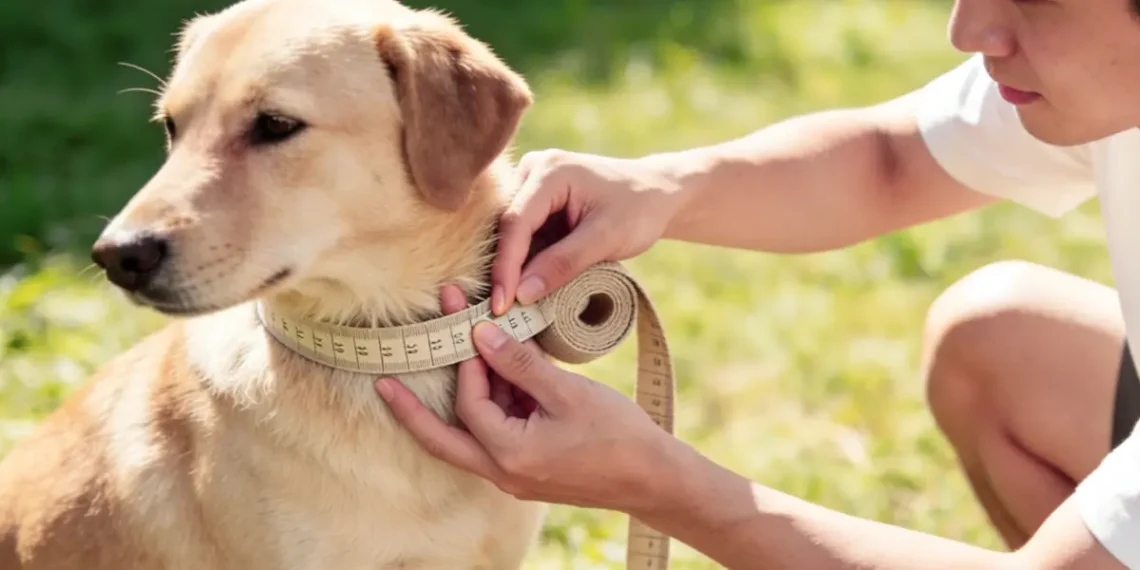
For a collar you should be able to slip two fingers comfortably between the collar and your dog’s neck. For a harness it should lie flat without bunching, allow full range of shoulder movement, and not rub in the armpits. Check fit regularly as puppies grow quickly and weight changes affect adult fit.
Are slip collars or choke chains safe to use?
Most veterinary and animal behaviour professionals advise against slip, choke, or prong collars. These tools can cause neck injuries, tracheal damage, and can worsen anxiety or reactivity. Positive reinforcement-based training combined with a well-fitted flat collar or harness is a safer and more effective alternative.
Do cats need collars?
Collars can be useful for indoor and outdoor cats as they provide a place for ID tags and can be fitted with GPS trackers. Use a breakaway collar designed to release under pressure so it cannot cause strangulation if caught on something. Microchipping is also recommended as a permanent backup identification method.
How often should I replace my dog’s collar or harness?
Inspect collars and harnesses monthly for fraying, cracking hardware, stretched material, or damaged buckles. Replace immediately if any wear is found. Most quality collars and harnesses last 1 to 2 years with regular use. Puppies and growing dogs will need more frequent replacements as their size changes.
Should I use a collar or a harness for my dog?
Harnesses are generally recommended for most dogs, especially those that pull, have respiratory issues, or are small breeds prone to tracheal damage. Collars work well for well-trained dogs with loose leash manners. Many owners use both — a collar for ID tags and a harness for walks.
What type of harness is best for dogs that pull?
A front-clip harness where the leash attaches to the chest rather than the back is the most effective for reducing pulling. When a dog pulls forward the front clip redirects them back toward you without pain or correction. It is a humane and practical tool for dogs still learning leash manners.
How do I know if a collar or harness fits my dog correctly?
For a collar you should be able to slip two fingers comfortably between the collar and your dog’s neck. For a harness it should lie flat without bunching, allow full range of shoulder movement, and not rub in the armpits. Check fit regularly as puppies grow quickly and weight changes affect adult fit.
Are slip collars or choke chains safe to use?
Most veterinary and animal behaviour professionals advise against slip, choke, or prong collars. These tools can cause neck injuries, tracheal damage, and can worsen anxiety or reactivity. Positive reinforcement-based training combined with a well-fitted flat collar or harness is a safer and more effective alternative.
Do cats need collars?
Collars can be useful for indoor and outdoor cats as they provide a place for ID tags and can be fitted with GPS trackers. Use a breakaway collar designed to release under pressure so it cannot cause strangulation if caught on something. Microchipping is also recommended as a permanent backup identification method.
How often should I replace my dog’s collar or harness?
Inspect collars and harnesses monthly for fraying, cracking hardware, stretched material, or damaged buckles. Replace immediately if any wear is found. Most quality collars and harnesses last 1 to 2 years with regular use. Puppies and growing dogs will need more frequent replacements as their size changes.