Seasonal changes quietly reshape daily life for pets, even when routines seem unchanged. I notice shifts in energy, appetite, and comfort as weather patterns change, and those signals always remind me that care cannot stay static all year. Pets rely on us to notice what they cannot explain, especially when temperature, humidity, and daylight begin to affect their bodies and moods. Seasonal pet care is about anticipation, adjustment, and awareness rather than reacting after problems appear.
Each season brings its own challenges and opportunities. What keeps a pet comfortable in one part of the year may cause stress or health issues in another. By paying attention to seasonal transitions, I can support physical health, emotional balance, and overall well-being year-round. Consistent care adapts best when it moves with the seasons instead of fighting against them.
Why Seasonal Changes Affect Pets So Deeply
Pets experience the world through their bodies more directly than humans do. Temperature shifts, changes in daylight, and environmental conditions influence metabolism, activity levels, and emotional states. Even indoor pets feel seasonal changes through light exposure, air quality, and routine disruptions.
Seasonal transitions can also affect immune systems and skin health. Shedding patterns change, allergies emerge, and joint stiffness may worsen during colder months. Emotional responses shift as well, especially when routines or exercise patterns change.
Recognizing the impact of seasons allows proactive care. Adjustments made early prevent discomfort from becoming distress. Awareness builds resilience through every part of the year.
Spring Pet Care Adjustments
Spring brings renewed energy, but it also introduces new risks. Rising temperatures encourage outdoor activity, which increases exposure to allergens, parasites, and environmental hazards. I pay close attention to changes in scratching, sneezing, or skin irritation during this time.
Grooming becomes especially important in spring. Shedding increases as winter coats thin, and regular brushing helps prevent matting and skin issues. Checking for ticks and fleas becomes part of daily care rather than an occasional concern.
Spring also brings excitement and restlessness. Gradually increasing exercise prevents strain after quieter winter months. Balanced transitions help pets enjoy spring without overwhelm.
Managing Seasonal Allergies in Spring
Seasonal allergies affect many pets, even those who spend limited time outdoors. Pollen, mold, and dust can trigger itching, watery eyes, or ear irritation. I observe subtle changes rather than waiting for severe symptoms.
Regular cleaning helps reduce allergens indoors. Washing bedding and wiping paws after outdoor time limits exposure. Grooming removes allergens trapped in fur before irritation worsens.
Diet and hydration also play roles in allergy management. Supporting skin health strengthens natural defenses. Seasonal allergies become manageable with attentive care.
Summer Heat and Hydration Needs
Summer presents some of the most serious seasonal risks. Heat affects pets faster and more intensely than humans. I prioritize hydration and temperature regulation throughout the day.
Water access remains constant and plentiful. I refresh bowls frequently and monitor drinking habits closely. Dehydration often appears subtly before becoming dangerous.
Activity timing matters during hot months. Early mornings and evenings provide safer opportunities for exercise. Adjusting schedules protects pets from heat-related stress.
Preventing Heat Stress and Overheating
Heat stress can escalate quickly if not addressed early. Signs include heavy panting, lethargy, and disorientation. I watch for these signals even during mild activity.
Providing shade and cool resting areas reduces risk. Fans, cooling mats, or air circulation support comfort indoors. Never leaving pets in enclosed spaces becomes a strict rule.
Proactive cooling prevents emergencies. Heat safety depends on vigilance rather than assumption. Summer care demands constant awareness.
Summer Grooming and Coat Care
Contrary to popular belief, shaving is not always the best solution for heat. Many coats regulate temperature naturally when maintained properly. I focus on brushing and detangling rather than drastic cuts.
Regular grooming removes excess fur and improves airflow. Mats trap heat and moisture, increasing discomfort. Clean coats support temperature regulation.
Bathing schedules may change slightly in summer. Gentle, infrequent baths help without stripping natural oils. Grooming supports both comfort and skin health.
Parasite Prevention During Warm Months
Warm weather creates ideal conditions for parasites. Fleas, ticks, and mosquitoes thrive during summer. Prevention becomes non-negotiable.
I stay consistent with preventive treatments and daily checks. Early detection prevents infestations and disease transmission. Parasite control protects both pets and households.
Environmental awareness matters as well. Avoiding high-risk areas reduces exposure. Summer vigilance keeps parasites manageable.
Nutrition Adjustments for Hot Weather
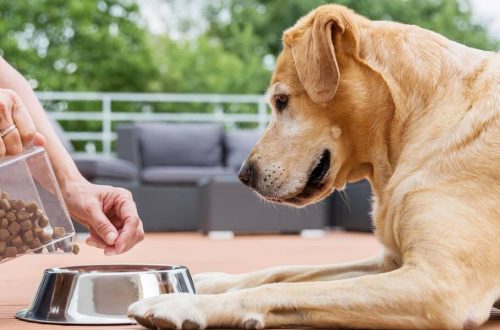
Appetite often changes during warmer months. Reduced activity and higher temperatures may lower food intake. I adjust portions carefully without disrupting nutrition.
Hydrating foods or added moisture support digestion. Freshness matters more during heat, so I monitor food storage closely. Smaller meals can be easier on the system.
Nutrition adapts alongside seasonal needs. Monitoring weight ensures balance. Summer feeding supports comfort and energy without excess.
Fall Transitions and Energy Shifts
Fall introduces cooler temperatures and shorter days. Energy levels may fluctuate as pets adjust. I notice changes in playfulness and rest patterns.
Shedding often increases again as coats prepare for winter. Grooming remains essential to manage fur changes. Skin health deserves attention during this transition.
Routine changes often accompany fall schedules. Adjusting gradually helps pets adapt emotionally. Fall becomes a period of preparation rather than disruption.
Preparing for Colder Weather in Fall
Fall offers the opportunity to prepare before winter arrives. I inspect bedding, shelter, and indoor spaces for warmth and comfort. Small changes prevent later stress.
Outdoor pets or frequent outdoor time require extra consideration. Coats, paw protection, and exposure limits become relevant. Comfort planning prevents cold-related issues.
Fall preparation builds resilience. Anticipation reduces winter challenges. Preparation supports smooth seasonal transitions.
Mental Stimulation as Days Grow Shorter
Reduced daylight affects mental engagement. Less outdoor time can lead to boredom if routines remain unchanged. I adjust enrichment activities to compensate.
Indoor games, puzzles, and training sessions maintain stimulation. Mental exercise becomes as important as physical movement. Engagement prevents frustration.
Stimulation supports emotional balance. Seasonal adjustments protect mental health. Shorter days do not have to mean lower quality of life.
Winter Cold and Comfort Needs
Winter brings cold, dryness, and reduced mobility challenges. Pets feel temperature changes even indoors. I focus on warmth, hydration, and joint comfort.
Bedding becomes thicker and more insulated. Draft-free resting areas protect comfort. Warmth supports rest and recovery.
Outdoor exposure decreases, but indoor activity must increase. Winter care emphasizes balance between rest and movement.
Protecting Paws During Winter
Cold surfaces and de-icing chemicals can harm paws. I check paws regularly for cracks or irritation. Gentle cleaning after walks prevents buildup.
Paw protection may include balms or coverings when appropriate. Shorter outdoor sessions reduce exposure. Comfort depends on prevention.
Healthy paws support mobility. Winter awareness prevents pain. Paw care becomes part of routine checks.
Skin and Coat Health in Dry Conditions
Dry air affects skin during winter. Flaking, itching, or dull coats may appear. I adjust grooming and hydration accordingly.
Overbathing worsens dryness, so I limit baths. Moisturizing routines and proper nutrition support skin health. Humidity indoors can help.
Skin comfort reflects internal balance. Seasonal dryness requires gentle care. Winter adjustments protect long-term health.
Winter Nutrition and Energy Balance
Cold weather can change calorie needs. Some pets burn more energy staying warm, while others move less. I monitor weight closely.
Adjusting portions requires observation rather than assumption. Treat intake may increase during indoor time, so balance matters. Nutrition adapts to lifestyle shifts.
Winter feeding supports warmth and energy. Awareness prevents unwanted weight changes. Balanced nutrition remains a constant priority.
Joint Care During Cold Months
Cold often affects joint comfort, especially for older pets. Stiffness or reluctance to move may appear. I observe mobility closely during winter.
Warm resting areas and gentle movement support joints. Avoiding slippery surfaces prevents injury. Joint care becomes proactive.
Comfort supports confidence and activity. Winter adjustments protect mobility. Prevention reduces long-term issues.
Seasonal Routine Changes and Emotional Impact
Routine changes affect emotional well-being. Holidays, travel, or schedule disruptions often accompany seasonal shifts. I maintain predictability whenever possible.
Calm environments and familiar routines reduce stress. Emotional security matters more during change. Pets thrive on consistency.
Seasonal transitions feel easier with emotional support. Awareness prevents anxiety. Stability strengthens trust.
Seasonal Safety Hazards to Watch For
Each season introduces unique hazards. Spring plants, summer heat, fall debris, and winter chemicals all pose risks. I stay informed and observant.
Removing hazards and supervising outdoor time reduce accidents. Awareness prevents emergencies. Seasonal safety depends on vigilance.
Proactive prevention protects pets. Safety planning adapts year-round. Small precautions make a big difference.
Seasonal Vet Care Considerations
Veterinary care aligns with seasonal risks. Parasite prevention, vaccinations, and health checks may vary. I schedule appointments with seasons in mind.
Seasonal screenings detect issues early. Preventive care reduces emergency visits. Vet guidance supports informed adjustments.
Healthcare remains proactive rather than reactive. Seasonal planning supports longevity. Consistency builds resilience.
Adjusting Exercise Year-Round
Exercise needs fluctuate with weather and daylight. I adapt activity types rather than eliminating movement. Indoor options replace outdoor routines when needed.
Low-impact activities support joints during cold months. Cooler times support longer sessions in warmer months. Flexibility maintains fitness.
Movement supports physical and mental health. Seasonal adaptation keeps exercise safe and enjoyable. Balance prevents burnout.
Grooming Adjustments Through the Seasons
Grooming routines shift with shedding cycles and skin needs. I adapt frequency and tools based on the season. Comfort guides every decision.
Seasonal grooming supports hygiene and temperature regulation. Neglect leads to discomfort. Consistency prevents larger issues.
Grooming reflects awareness. Seasonal care remains responsive. Comfort stays central.
Travel and Seasonal Planning
Travel often increases during holidays or certain seasons. Pet care planning becomes essential. I prepare routines and care instructions well in advance.
Familiar items provide comfort during absences. Clear communication supports caregivers. Planning reduces stress.
Seasonal travel requires extra thought. Preparation protects emotional stability. Pets benefit from predictability even when owners are away.
Adapting Care for Senior Pets Seasonally
Senior pets feel seasonal changes more intensely. Cold affects joints, heat affects stamina. I adjust care with extra sensitivity.
Shorter walks, warmer bedding, and frequent checks support comfort. Senior needs shift with seasons more noticeably. Awareness prevents decline.
Seasonal care becomes personalized. Aging requires thoughtful adaptation. Comfort and dignity remain priorities.
Monitoring Behavioral Changes Across Seasons
Behavior often shifts subtly with seasonal changes. Increased sleep, restlessness, or mood changes deserve attention. I observe patterns over time.
Seasonal behavior shifts often reflect environmental influences. Adjusting routines prevents frustration. Observation guides care.
Behavior communicates needs. Seasonal awareness strengthens response. Attentive care supports emotional health.
Final Thoughts
Seasonal pet care is an ongoing process of observation and adjustment. Each season brings unique challenges that require thoughtful responses rather than fixed routines. By staying attentive to environmental changes, I can support comfort, health, and emotional balance all year.
Pets rely on us to notice what shifts quietly. Seasonal awareness transforms care from reactive to intentional. With thoughtful adjustments, every season becomes an opportunity to support a happier, healthier life.