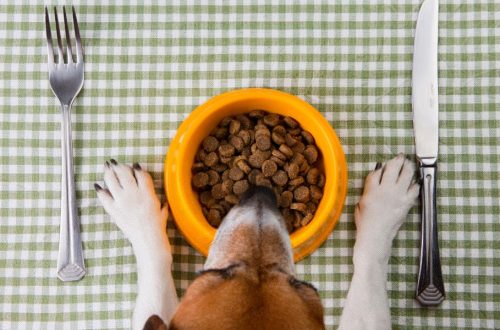
Food allergies in pets are far more common than many people realize, and they often hide behind symptoms that look harmless at first glance. Persistent itching, recurring ear issues, or digestive trouble can quietly point to something deeper going on in the bowl. Over time, I have learned that food allergies rarely show up as dramatic reactions. They tend to develop slowly, which makes them easy to overlook until they start affecting a pet’s quality of life.
Spotting food allergies requires patience and close observation. Pets cannot explain how they feel, so changes in behavior, skin, or digestion become their language. Paying attention to these signs makes it easier to intervene early and reduce long-term discomfort. This article explores the most common food allergies in pets, how they present themselves, and what to watch for before symptoms escalate.
What Food Allergies Look Like in Everyday Life
Food allergies do not always appear immediately after a meal. In many cases, symptoms build gradually as the immune system reacts repeatedly to a trigger ingredient. I have noticed that this slow progression often leads owners to blame seasonal allergies, fleas, or stress instead of food.
The most frequent signs involve the skin and ears. Constant scratching, licking paws, head shaking, or inflamed ears can all point toward a dietary issue. Digestive symptoms such as loose stools, vomiting, or excessive gas may also appear, sometimes alongside skin problems and sometimes on their own.
Behavior can change as well. Pets dealing with chronic discomfort may seem restless, irritable, or unusually tired. These subtle shifts are easy to miss but often serve as early warnings that something in the diet is not working.
How Food Allergies Develop Over Time
Food allergies are immune responses, not immediate intolerances. A pet may eat the same food for months or even years before showing symptoms. I have seen many cases where a long-standing diet suddenly becomes a problem, confusing owners who assume familiarity means safety.
Repeated exposure to a specific protein can trigger the immune system to misidentify it as a threat. Once that happens, even small amounts of the ingredient can cause reactions. This explains why switching back to an old food after a break sometimes leads to sudden flare-ups.
Age does not offer immunity either. Puppies, kittens, adults, and seniors can all develop food allergies. The key factor is exposure over time rather than life stage, which is why monitoring changes matters regardless of a pet’s age.
Common Food Allergies in Dogs
Dogs experience food allergies more frequently than many people expect. Proteins are the most common culprits, particularly those found in everyday commercial foods. Chicken, beef, dairy, and eggs top the list of frequent triggers.
Grains are often blamed, but they are less commonly the cause than animal proteins. Corn, wheat, and soy can still trigger reactions in some dogs, though they are not the primary offenders. The rise in novel protein diets reflects how often traditional proteins cause issues.
Symptoms in dogs often center around the skin. Chronic ear infections, red patches, and obsessive licking are classic signs. Digestive upset may appear as well, but skin-related symptoms tend to dominate in canine food allergies.
Common Food Allergies in Cats
Cats also suffer from food allergies, though their symptoms can look slightly different. Fish, beef, chicken, and dairy are common triggers in feline diets. Fish allergies are especially common due to frequent exposure in many cat foods.
Skin issues remain a primary sign, with excessive grooming being one of the most noticeable behaviors. Cats may lick or chew certain areas until hair thins or bald spots appear. These behaviors are sometimes mistaken for stress or anxiety-related grooming.
Digestive signs such as vomiting are also common in cats with food allergies. Occasional vomiting can seem normal to some owners, which delays investigation. When vomiting becomes frequent or predictable, food allergies should be considered.
The Difference Between Food Allergies and Food Sensitivities
Food allergies and food sensitivities are often confused, but they are not the same. Allergies involve the immune system, while sensitivities typically involve digestion. I find this distinction important because management strategies differ.
Food sensitivities may cause gas, loose stools, or mild discomfort without skin involvement. They are often dose-dependent, meaning small amounts may not cause noticeable problems. Allergies, on the other hand, can trigger reactions even with minimal exposure.
Identifying which issue a pet faces requires careful observation. Persistent skin symptoms usually point toward allergies, while isolated digestive issues may suggest sensitivity. Both deserve attention, but allergies tend to require stricter dietary control.
Skin Symptoms That Signal a Food Allergy
Skin symptoms are among the most visible signs of food allergies. Redness, itching, and inflammation often appear around the face, paws, ears, and belly. I have noticed that these areas tend to flare repeatedly in affected pets.
Chronic ear infections are especially telling. Repeated treatment without lasting improvement often suggests an underlying allergy. Food allergies should be considered when ear problems keep returning despite good hygiene and care.
Hot spots, hair loss, and scabbing may develop in severe cases. These symptoms can worsen quickly if the allergen remains in the diet. Early intervention helps prevent secondary infections that complicate treatment.
Digestive Symptoms That Are Easy to Miss
Digestive symptoms can be subtle and inconsistent. Loose stools that come and go may not raise immediate concern. Over time, however, patterns emerge that link symptoms to diet.
Vomiting shortly after meals or at regular intervals is a common sign. Excessive gas and abdominal discomfort may also appear. Pets may show reduced appetite or hesitation around food if eating becomes associated with discomfort.
In some cases, digestive symptoms occur without skin involvement. This presentation can make food allergies harder to recognize. Paying attention to recurring digestive issues helps uncover these less obvious cases.
Behavioral Changes Linked to Food Allergies
Chronic discomfort affects behavior. Pets dealing with itching or digestive pain may struggle to relax. Restlessness, pacing, or changes in sleep patterns often accompany physical symptoms.
I have observed that some pets become less playful or withdraw from interaction. Others may appear clingy or unusually vocal. These changes reflect ongoing stress caused by unresolved discomfort.
Behavioral signs rarely point directly to food allergies on their own. Combined with physical symptoms, however, they add valuable context. Ignoring behavioral shifts can delay proper diagnosis.
How Elimination Diets Help Identify Allergies
Elimination diets remain the most reliable way to identify food allergies. This process involves feeding a simplified diet with novel or hydrolyzed proteins. Over time, symptoms often improve if the allergen has been removed.
Consistency is critical during an elimination diet. Even small treats or table scraps can interfere with results. I have seen well-meaning owners unintentionally sabotage progress with tiny extras.
The process takes patience, often requiring several weeks to show improvement. Gradual symptom reduction provides valuable clues. Once stability is achieved, ingredients can be reintroduced carefully to identify triggers.
The Role of Protein Sources in Food Allergies
Proteins cause most food allergies because they are the primary targets of the immune system. Repeated exposure increases the likelihood of a reaction. This explains why common proteins appear so frequently on allergy lists.
Novel proteins such as duck, venison, or rabbit offer alternatives. These options reduce the chance of immune recognition. Hydrolyzed proteins break down into fragments too small to trigger reactions, offering another solution.
Rotating proteins too frequently can complicate allergy identification. Stability during diagnostic periods matters more than variety. Once triggers are identified, rotation may be reintroduced cautiously.
Why Treats and Supplements Matter
Treats and supplements often get overlooked during allergy investigations. Many contain hidden proteins or flavorings that trigger reactions. Even medications may include beef or chicken-based ingredients.
I always pay close attention to ingredient lists beyond main meals. Dental chews, flavored vitamins, and training treats can undermine progress. Eliminating these temporarily helps clarify results.
Clear labeling and transparency make a difference. Choosing limited-ingredient treats or avoiding treats altogether during elimination phases simplifies the process.
Seasonal Allergies Versus Food Allergies
Seasonal allergies and food allergies can look similar, which complicates diagnosis. Both may cause itching, redness, and ear issues. The key difference lies in timing and consistency.
Seasonal allergies tend to flare at specific times of year. Food allergies persist year-round unless the diet changes. I find that symptoms continuing through all seasons often point toward food-related causes.
Some pets suffer from both types of allergies. In these cases, food management reduces baseline symptoms, making seasonal flares easier to manage. Addressing diet first often simplifies overall allergy control.
Long-Term Management of Food Allergies
Once a food allergy is identified, long-term management becomes the focus. Avoiding trigger ingredients remains the cornerstone of success. Consistency prevents flare-ups and allows healing.
Monitoring remains important even after symptoms improve. New foods, treats, or household changes can reintroduce allergens. I stay vigilant about ingredient changes in commercial foods, as formulas can shift without much notice.
With proper management, pets with food allergies can live comfortable, active lives. The key lies in commitment and attention to detail rather than constant experimentation.
The Emotional Side of Managing Food Allergies
Managing food allergies can feel overwhelming at first. Reading labels, monitoring symptoms, and enforcing dietary rules require effort. Over time, these habits become routine.
I have found that focusing on improvements helps maintain motivation. Seeing reduced itching, better digestion, and calmer behavior reinforces the value of the process. These changes often appear gradually but build steadily.
Support from veterinarians and reliable information sources makes a difference. Food allergies are manageable with the right approach. Confidence grows as patterns become clearer.
Final Thoughts
Common food allergies in pets often hide behind everyday symptoms that seem unrelated at first. Skin irritation, digestive upset, and behavioral changes all tell part of the story. Paying attention to these signals allows earlier intervention and better outcomes.
Identifying food allergies takes patience and consistency. Elimination diets, careful observation, and ingredient awareness form the foundation of effective management. Small details often make the biggest difference.
With thoughtful dietary choices and ongoing monitoring, pets affected by food allergies can thrive. Comfort, stability, and improved quality of life are achievable goals when the diet finally works with the body rather than against it.