Wellness habits have shaped the way my pets age, move, and enjoy their daily routines. Over time, I’ve noticed that longevity is rarely about one dramatic change and far more about consistent, thoughtful care layered into everyday life. Small decisions made repeatedly tend to matter more than occasional bursts of effort, especially when it comes to long-term health.
Living alongside animals has shown me that pets thrive on balance. Physical care, mental stimulation, emotional security, and preventive attention all work together. Ignoring one area eventually affects the others, while supporting each part creates a foundation that allows pets to stay active and comfortable well into their senior years.
Consistent Veterinary Care as a Cornerstone
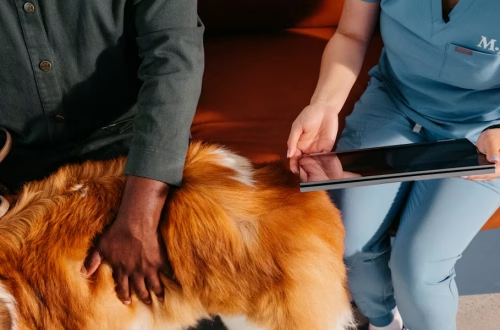
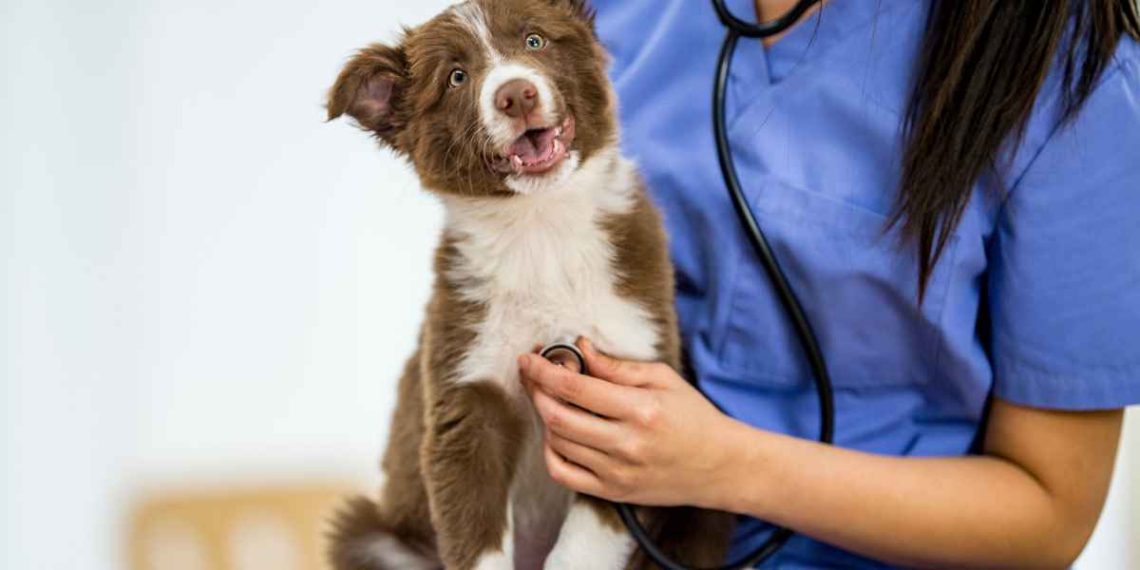
Regular veterinary visits form the backbone of long-term wellness. I’ve seen how routine checkups uncover issues that would never be obvious at home, even with close observation. These visits help track gradual changes and provide early warnings that allow for gentle intervention rather than emergency action.
Consistency also builds familiarity between pets and veterinarians. That comfort makes examinations smoother and reduces stress, which matters more than many people realize. A calm pet is easier to assess accurately, leading to better care decisions over time.
Nutrition That Matches Life Stages
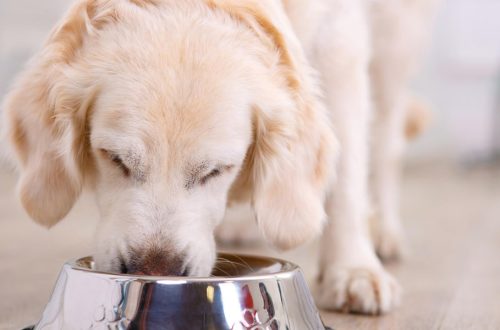
Diet plays a major role in how pets age. Feeding the same food for years without reassessment can quietly create problems, even if a pet seems fine on the surface. I’ve learned to view nutrition as something that evolves alongside age, activity level, and health status.
High-quality ingredients, appropriate portions, and adjustments based on veterinary guidance help maintain healthy weight and organ function. Proper nutrition supports immunity, joint health, and energy levels. Over time, those benefits add up in ways that are easy to see and even easier to feel.
Daily Movement Without Overexertion
Exercise looks different for every pet, but regular movement is essential at any age. I’ve found that consistent, moderate activity does more for long-term health than intense bursts followed by long periods of inactivity. Movement keeps joints flexible, muscles engaged, and minds stimulated.
Tailoring activity to a pet’s abilities prevents injury while still offering physical benefits. Walks, play sessions, and gentle stretching all count. Over the years, this steady approach helps maintain mobility and reduces the risk of age-related stiffness.
Mental Stimulation Beyond Toys
Mental wellness is often underestimated, yet it plays a huge role in overall health. Pets that stay mentally engaged tend to show fewer behavioral issues and maintain sharper awareness as they age. I’ve noticed that boredom often shows up as restlessness, anxiety, or destructive habits.
Simple activities like puzzle feeders, scent games, and training refreshers keep minds active. Rotating toys and introducing new challenges prevents routines from becoming stale. Mental stimulation supports emotional balance and complements physical wellness beautifully.
Dental Care That Protects the Whole Body
Oral health has a ripple effect throughout the body. Dental issues don’t stay confined to the mouth, and I’ve seen how untreated problems can lead to infections and chronic discomfort. Regular dental checks and cleanings protect far more than teeth.
Daily habits like brushing or dental chews help slow plaque buildup. Addressing oral health consistently reduces inflammation that can affect organs such as the heart and kidneys. Over time, this attention contributes to both comfort and longevity.
Maintaining a Healthy Weight
Weight management quietly influences nearly every aspect of health. Excess weight strains joints, stresses the heart, and increases the risk of chronic disease. I’ve learned that small weight gains are easy to overlook but hard to reverse if ignored for too long.
Routine weigh-ins and portion adjustments help keep things on track. Healthy weight supports mobility and energy, making daily activity more enjoyable. This balance becomes especially important as pets enter their senior years.
Parasite Prevention as Routine Care
Parasite prevention protects pets from more than irritation. Fleas, ticks, and internal parasites can transmit serious diseases that shorten lives if untreated. I’ve come to see prevention as an essential wellness habit rather than an optional add-on.
Using veterinarian-recommended preventives year-round reduces risk significantly. Regular screening ensures that prevention strategies remain effective. This proactive approach protects both pets and the people who share their homes.
Hydration and Its Hidden Impact
Water intake affects digestion, kidney function, and temperature regulation. I’ve noticed that some pets need encouragement to drink enough, especially as they age. Clean, fresh water should always be accessible and appealing.
Monitoring drinking habits can also reveal early signs of health changes. Increased or decreased thirst often signals underlying issues. Paying attention to hydration supports internal health in subtle but powerful ways.
Grooming as Health Monitoring
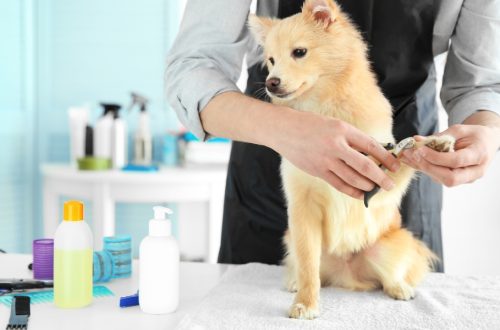
Grooming offers more than cosmetic benefits. Regular brushing, bathing, and coat checks provide opportunities to notice lumps, skin changes, or parasites early. I’ve often spotted small issues during grooming sessions that warranted a closer look.
This routine also supports circulation and skin health. For pets, grooming sessions can become calming rituals that strengthen trust. Over time, these moments contribute to both physical wellness and emotional connection.
Emotional Security and Stress Reduction
Stress affects pets just as deeply as it affects people. Chronic anxiety can weaken immunity and worsen existing conditions. Creating a stable, predictable environment has made a noticeable difference in how my pets age.
Consistent routines, positive reinforcement, and safe spaces promote emotional security. Pets that feel safe tend to recover faster from illness and adapt better to change. Emotional wellness quietly supports physical health every day.
Training as Lifelong Enrichment
Training doesn’t end once basic commands are learned. Continuing to engage pets in training keeps their minds active and strengthens communication. I’ve found that older pets benefit greatly from gentle training sessions tailored to their abilities.
This ongoing interaction reinforces confidence and trust. Training also provides structure, which many pets find comforting. Over time, these sessions become moments of connection rather than tasks.
Sleep Quality and Restful Spaces
Rest is essential for recovery and overall health. Pets need quiet, comfortable places where they can sleep undisturbed. I’ve noticed improved energy and mood when sleep environments are thoughtfully arranged.
Orthopedic bedding, temperature control, and reduced noise all contribute to better rest. Quality sleep supports immune function and mental clarity. This often-overlooked factor plays a significant role in long-term wellness.
Senior-Specific Adjustments
As pets age, their needs shift gradually rather than suddenly. Adjusting routines before problems arise makes transitions smoother. I’ve learned to modify exercise, diet, and living spaces to accommodate changing abilities.
Regular screenings become more important with age. Early detection allows for gentle management rather than aggressive treatment. These thoughtful adjustments help senior pets remain comfortable and engaged.
Social Interaction and Companionship
Social needs vary by personality, but companionship matters for most pets. Interaction with people or other animals provides mental stimulation and emotional fulfillment. I’ve seen withdrawn behavior ease with regular, positive social experiences.
Supervised play, calm interactions, and shared routines strengthen bonds. Social engagement supports emotional health and reduces loneliness. Over time, these connections contribute to a richer, longer life.
Observation as a Daily Habit
Attentive observation ties all wellness habits together. Subtle changes in appetite, movement, or behavior often signal underlying issues. I’ve learned that noticing these shifts early leads to quicker, gentler solutions.
Daily observation doesn’t require constant worry. It simply means being present and aware. This habit empowers owners to act before small concerns grow larger.
Final Thoughts
Wellness habits that add years to a pet’s life are built through consistency, awareness, and genuine care. Each small decision supports the next, creating a balanced approach that nurtures both body and mind. Through steady attention and thoughtful routines, pets gain not only more years, but better ones filled with comfort, engagement, and trust.