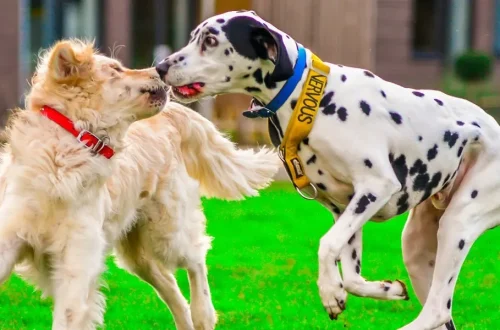
Pet anxiety shows up in quiet and loud ways, from subtle pacing to full-blown panic during everyday situations. I have lived with pets who tremble during storms, refuse to settle when left alone, or cling tightly in unfamiliar environments. Over time, I learned that anxiety is not a flaw or a phase, but a response to stress that deserves patience and thoughtful support. Accessories designed with comfort and security in mind have played a major role in helping my pets feel safer and more relaxed.
Living with an anxious pet changes how you see your home and daily routines. Sounds, smells, textures, and even lighting can influence how a pet feels in their own space. I stopped thinking of accessories as optional extras and started seeing them as emotional tools. The right items do not erase anxiety completely, but they can soften its edges and make daily life more manageable for everyone involved.
Anxiety In Pets And Daily Life
Anxiety affects pets differently depending on temperament, past experiences, and environment. Some pets react strongly to noise, while others struggle most with separation or changes in routine. I noticed that ignoring these signals only made behaviors worse over time. Paying attention to patterns helped me identify what triggered stress and what brought relief.
Stress does not stay contained in one moment. An anxious episode can linger long after the trigger has passed, affecting sleep, appetite, and behavior. Accessories that provide grounding and predictability help interrupt that cycle. Over time, these small comforts add up and create a sense of safety that pets can rely on.
Recognizing anxiety early makes intervention easier. Accessories are not replacements for training or veterinary advice, but they support emotional well-being in practical ways. They work best as part of a consistent, calm routine. That combination has made a noticeable difference in my home.
Calming Beds And Safe Resting Spaces
A secure resting space is often the foundation of anxiety relief. I noticed that my pets gravitated toward spots that felt enclosed or protected, even before I understood why. Calming beds are designed to mimic that sense of safety through raised edges and supportive cushioning. These features help pets relax their bodies and minds at the same time.
Beds with soft, plush materials provide gentle pressure that can feel reassuring. This sensation often reminds pets of resting with littermates or close companions. Over time, these beds become emotional anchors where pets retreat during stressful moments. The familiarity of the space itself becomes calming.
Placement matters just as much as design. Positioning beds away from loud noises and heavy foot traffic increases their effectiveness. A consistent resting spot helps pets know where they can decompress. That sense of control reduces anxiety before it escalates.
Weighted And Pressure-Based Accessories
Pressure-based accessories have become popular for pets who respond well to gentle compression. I was skeptical at first, but the results spoke for themselves. These items apply even pressure across the body, which can help calm the nervous system. The effect is subtle but meaningful for many anxious pets.
Weighted blankets and wraps work particularly well during predictable stressors. Fireworks, thunderstorms, and travel often trigger anxiety that builds quickly. Having a familiar pressure-based accessory ready can shorten recovery time. Pets often settle faster when they feel physically supported.
Not every pet responds the same way to pressure. Introducing these accessories slowly allows pets to adjust at their own pace. Watching body language helps determine whether the sensation is comforting or overwhelming. Respecting those signals builds trust and ensures the accessory remains helpful.
Anxiety-Reducing Collars And Wearable Items
Wearable calming accessories have evolved beyond simple collars. Some use pheromone technology, while others focus on scent-based relaxation. I found these particularly useful for pets who experience anxiety during everyday activities like walks or car rides. The constant presence of the accessory provides ongoing support.
Pheromone-based collars release calming signals that mimic natural comforting cues. These signals are subtle and species-specific, making them non-invasive. Over time, they can reduce baseline anxiety levels rather than just addressing isolated episodes. Consistency is key to seeing results.
Comfort and fit are critical with any wearable item. An accessory that rubs or restricts movement can increase stress instead of reducing it. Regular checks ensure proper sizing as pets grow or change shape. Comfort always comes before convenience.
Sound And Noise-Blocking Accessories
Noise sensitivity is one of the most common anxiety triggers I have encountered. Sudden sounds can send an otherwise calm pet into panic mode. Accessories designed to reduce noise exposure help soften those triggers. They do not eliminate sound completely, but they reduce its intensity.
Noise-dampening wraps and earmuff-style accessories are especially helpful during loud events. Fireworks and construction noise become more manageable when sound is muffled. These accessories work best when introduced gradually, allowing pets to get used to the sensation. Rushing the process can backfire.
Sound-based solutions also include white noise machines and calming audio devices. While not worn directly, they function as environmental accessories. Consistent background noise masks sudden sounds and creates a more predictable auditory environment. That predictability reduces startle responses over time.
Interactive Toys For Mental Comfort
Mental stimulation plays a quiet but powerful role in anxiety reduction. An anxious mind often needs focus as much as reassurance. Interactive toys redirect nervous energy into problem-solving and play. I noticed that pets who engage their brains tend to recover faster from stress.
Puzzle toys and treat-dispensing items encourage focus and patience. These toys provide structure during uncertain moments. They also reinforce positive associations with calm behavior. Over time, this mental engagement builds confidence.
Rotation keeps these toys effective. Introducing them only during stressful periods helps maintain their calming association. Pets begin to link problem-solving with relaxation rather than excitement. That shift supports emotional balance.
Scent-Based Accessories And Familiar Smells
Smell is deeply tied to memory and emotion for pets. Familiar scents can ground them during moments of anxiety. I started using scent-based accessories after noticing how much comfort my pets found in familiar blankets or clothing. Purpose-built items expand on that natural response.
Calming sprays and infused toys often use soothing scents designed for pets. These scents are subtle and should never overpower the space. Used correctly, they create a consistent atmosphere of calm. Overuse can dull their effectiveness, so moderation matters.
Personal scent items also play a role. An old shirt or blanket carries familiarity that store-bought products cannot replicate. Combining these personal items with designed accessories creates layered comfort. That combination often works better than any single solution.
Travel Accessories For Stressful Transitions
Travel introduces unfamiliar sights, sounds, and routines that can overwhelm anxious pets. Accessories designed for travel help create continuity in changing environments. I learned that familiar textures and smells matter most during transitions. Bringing pieces of home along makes new spaces less intimidating.
Soft carriers, secure seat covers, and portable beds provide physical and emotional support. These items limit movement while offering comfort. Pets feel safer when their space feels defined and predictable. That sense of security reduces travel-related stress.
Preparation matters more than the journey itself. Introducing travel accessories at home allows pets to associate them with safety. By the time travel begins, the accessory already feels familiar. This reduces anxiety before it has a chance to build.
Feeding Accessories And Routine Stability
Feeding routines anchor daily life for many pets. Disruption to these routines often increases anxiety. Accessories that slow feeding or add structure can reduce stress around mealtime. I noticed calmer behavior when meals became predictable and engaging.
Slow feeders and interactive bowls encourage mindful eating. These accessories reduce gulping and promote focus. The act of working for food can be calming rather than frustrating when designed properly. It turns mealtime into a grounding activity.
Consistency in placement and timing reinforces stability. Using the same feeding accessories every day builds familiarity. That familiarity extends beyond meals and influences overall emotional security. Small routines create big comfort.
Outdoor Accessories And Safe Exploration
Outdoor environments introduce unpredictable stimuli that can heighten anxiety. Accessories that provide control and security help pets navigate these spaces confidently. Harnesses, calming vests, and secure leashes work together to reduce stress during walks. Feeling physically supported encourages exploration.
Harnesses distribute pressure evenly and reduce strain on sensitive areas. This physical comfort translates into emotional ease. Pets who feel secure move more confidently and react less intensely to surprises. Control does not mean restriction when applied thoughtfully.
Gradual exposure paired with supportive accessories builds resilience. Short, positive outdoor experiences accumulate into confidence. Over time, anxiety gives way to curiosity. Accessories serve as bridges between comfort zones and new experiences.
Creating A Calming Environment With Accessories
Accessories work best when integrated into the environment rather than used in isolation. A calm space includes lighting, sound, texture, and routine. I found that layering calming elements created a stronger effect than relying on one solution. Balance matters more than abundance.
Too many accessories can overwhelm rather than soothe. Selecting a few well-suited items keeps the environment simple and predictable. Predictability is a powerful antidote to anxiety. Pets relax when they know what to expect.
Observation guides refinement. Watching how pets interact with accessories reveals what truly helps. Adjusting placement, timing, and combinations improves effectiveness. This ongoing process strengthens trust and communication.
Long-Term Benefits Of Anxiety-Reducing Accessories
The impact of calming accessories extends beyond immediate stress relief. Over time, pets develop healthier coping mechanisms and greater confidence. I noticed fewer anxiety-driven behaviors as supportive tools became part of daily life. Emotional resilience grows with consistent support.
Accessories also improve the human-animal bond. Responding to anxiety with empathy rather than frustration builds trust. Pets feel understood and protected. That trust influences behavior in positive ways.
Investing in the right accessories saves energy and stress in the long run. Preventing anxiety episodes is easier than managing them after they escalate. These tools support both emotional health and overall well-being. A calmer pet creates a calmer home.
Final Thoughts
Accessories that help reduce pet anxiety are not luxury items, but thoughtful supports that address real emotional needs. Anxiety does not disappear overnight, but consistent comfort makes a meaningful difference. Paying attention to individual responses guides better choices and stronger results.
Every pet communicates stress in their own way. Listening to those signals leads to more effective solutions. Over time, the right accessories help transform fear into confidence and uncertainty into calm. That journey is worth the patience and care it requires.