Treats are woven into everyday life with pets in ways many people barely notice. They show up during training sessions, quiet moments on the couch, and those times when a pet looks especially convincing. I have seen how treats can strengthen bonds and motivate good behavior, but I have also watched them quietly undermine health when used without intention. The difference between help and harm often comes down to awareness rather than restriction.
Treats are not inherently good or bad. They are tools, and like any tool, their impact depends on how they are used. A small reward can support learning, confidence, and trust, while frequent or inappropriate treats can contribute to weight gain, digestive issues, and long-term health problems. Looking closely at how treats fit into a pet’s overall routine reveals whether they are working in favor of health or against it.
Why Treats Hold So Much Power
Treats carry emotional weight for both pets and people. Pets associate them with pleasure, attention, and positive interaction. Humans often use them as expressions of love, reassurance, or celebration. This emotional layer makes treats more influential than their size might suggest.
Because treats trigger strong positive responses, they can shape behavior quickly. This makes them valuable for training and reinforcement. At the same time, that power makes them easy to overuse. Without clear boundaries, treats can shift from occasional rewards to daily habits that disrupt nutritional balance.
Treats as Training Tools
Training relies on timing and consistency, and treats fit naturally into that framework. A well-timed reward helps pets connect actions with outcomes. I have found that treats can accelerate learning and build confidence, especially for shy or anxious animals. Used thoughtfully, they turn training into a positive experience rather than a source of stress.
The size of the treat matters more than many people realize. Small pieces deliver the same reinforcement without excess calories. Repetition does not require large rewards. Keeping treats tiny allows frequent reinforcement without nutritional consequences.
Bonding and Emotional Connection
Treats often symbolize affection and attention. Sharing a moment over a treat can strengthen the relationship between pet and caregiver. Pets learn to associate their humans with positive experiences, which builds trust. This emotional benefit is real and meaningful.
Problems arise when treats replace interaction rather than support it. Tossing treats without engagement misses the opportunity for connection. I have noticed that pets respond more positively when treats are paired with praise, play, or touch. The relationship grows stronger when treats enhance interaction rather than substitute for it.
Nutritional Impact of Treats
Every treat contributes calories and nutrients, whether intended or not. Even small amounts add up over time, especially for smaller pets. Treats that lack nutritional value displace more balanced food choices. Over weeks and months, this imbalance becomes visible.
I pay attention to treat ingredients just as closely as main meals. Artificial colors, excessive sugars, and unnecessary fillers offer little benefit. Treats should complement the diet, not compete with it. Nutritional awareness turns treats from empty extras into intentional additions.
Weight Gain and Portion Awareness
Weight gain often happens gradually, making it easy to overlook. Treats are a common contributor because they feel insignificant in isolation. A few extra calories each day can translate into noticeable weight changes over time. Pets rarely self-regulate treats effectively.
Portion awareness helps prevent this issue. I account for treats as part of daily intake rather than additions on top of meals. Reducing meal portions slightly on treat-heavy days maintains balance. This approach preserves enjoyment without compromising health.
Digestive Health and Treat Choices
Digestive systems respond differently to treat ingredients and textures. Some pets tolerate a wide range of treats, while others react quickly. Digestive upset often traces back to frequent changes or rich ingredients. Treats with high fat or unfamiliar proteins can cause discomfort.
Consistency supports digestive health. Offering a limited variety of treats reduces the chance of adverse reactions. I observe stool quality and appetite after introducing new treats. These signs provide early feedback on tolerance.
Dental Health and Chew Treats
Chew treats often promise dental benefits, but their impact varies. Some help reduce plaque through mechanical action, while others contribute little beyond entertainment. Texture and durability influence effectiveness. Not all chew treats are appropriate for every pet.
Safety matters as much as dental impact. Hard treats can damage teeth, while soft ones may break apart too easily. I choose chew treats based on size, chewing style, and dental condition. Monitoring during chewing sessions prevents accidents and ensures benefits outweigh risks.
Age and Treat Appropriateness
Age influences how treats affect health. Young pets burn energy quickly and tolerate treats differently than seniors. Treats for puppies and kittens should support growth without overwhelming developing systems. Size and nutrient balance matter more during early life.
Senior pets often require softer treats due to dental wear. Calorie needs usually decrease with age, making portion control more important. Treats that support joint health or digestion may offer additional benefits. Adjusting treats with age keeps them aligned with changing needs.
Treats and Behavioral Expectations
Treats shape behavior beyond training sessions. Pets learn patterns quickly, including when and how treats appear. Inconsistent use can lead to begging or attention-seeking behaviors. Clear rules help pets understand what to expect.
I avoid using treats as a response to undesirable behavior. This prevents reinforcing habits like whining or jumping. Instead, treats reward calm or desired actions. Consistency helps pets feel secure and reduces confusion.
Human Food as Treats
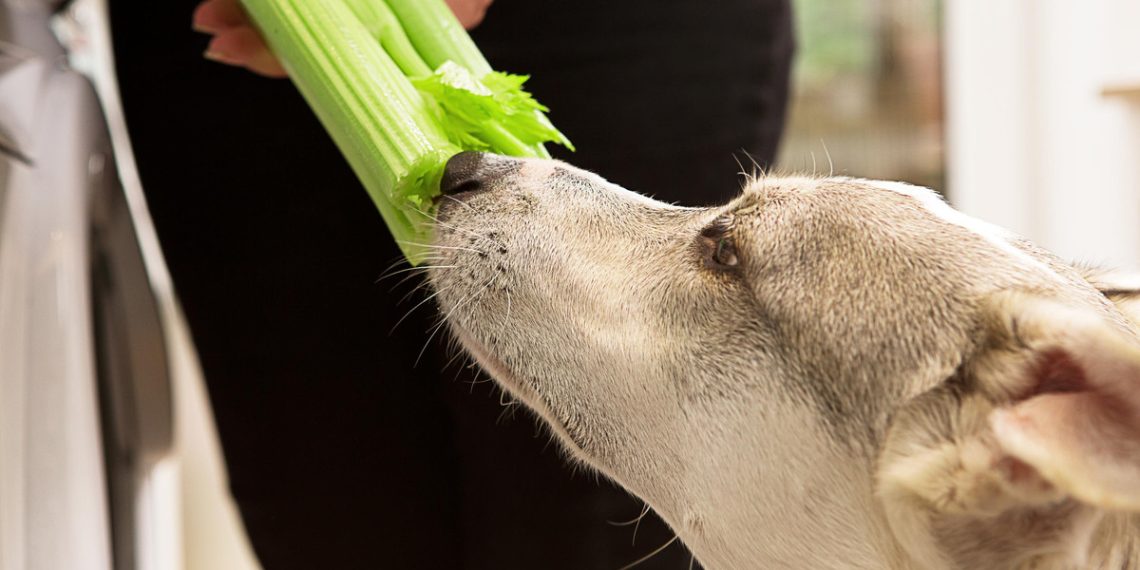
Human food often finds its way into treat routines. While some foods are safe in moderation, others pose risks. Seasonings, fats, and sugars common in human snacks can disrupt health. Even safe foods can cause problems if offered frequently.
I treat human food cautiously and intentionally. Plain, pet-safe options used sparingly reduce risk. Table scraps given without thought create habits that are hard to reverse. Boundaries protect both health and behavior.
Ingredient Transparency and Quality
Ingredient lists reveal much about a treat’s impact. Simple formulations with recognizable components are easier to evaluate. Excessive additives raise questions about necessity and value. Quality matters even for occasional items.
I prioritize treats with clear sourcing and minimal processing. These tend to align better with a balanced diet. Pets often show better tolerance to straightforward ingredients. Transparency builds confidence in treat choices.
Treat Frequency and Routine
Frequency shapes whether treats help or hurt. Occasional treats reinforce positive behavior without disrupting balance. Frequent, unstructured treats blur boundaries and increase calorie intake. Routine helps maintain moderation.
I set specific moments for treat use, such as training or enrichment activities. Random distribution creates expectation without purpose. Predictable patterns reduce anxiety and begging. Structure supports healthier habits.
Enrichment Versus Indulgence
Treats can serve as enrichment when used creatively. Puzzle toys, slow feeders, and training games engage both mind and body. In these contexts, treats contribute to mental stimulation rather than passive consumption. Engagement increases satisfaction.
Indulgence occurs when treats are given without effort or interaction. This often leads to boredom rather than fulfillment. I have noticed pets appear more content after earning treats through activity. Purposeful use enhances overall wellbeing.
Managing Multiple Pets
Treat dynamics change in multi-pet households. Competition can arise, leading to unequal intake. Some pets may consume more than their share. Monitoring becomes more complex.
I distribute treats individually and supervise interactions. This ensures fairness and prevents conflict. Adjusting treat size and frequency for each pet supports individual needs. Awareness prevents resentment and imbalance.
Health Conditions and Treat Restrictions
Certain health conditions require stricter treat management. Allergies, diabetes, and digestive sensitivities all influence treat suitability. Treats that seem harmless may interfere with treatment plans. Professional guidance helps clarify safe options.
I adapt treat routines based on health needs rather than eliminating them entirely. Alternative rewards like play or praise maintain motivation. Flexibility preserves quality of life while respecting medical requirements.
Homemade Treats and Control
Homemade treats offer control over ingredients and portions. They allow customization based on preferences and sensitivities. However, they still contribute calories and should be counted accordingly. Homemade does not automatically mean healthy.
I keep recipes simple and avoid excessive fats or sugars. Portion control remains essential. Homemade treats work best as occasional rewards rather than staples. Balance applies regardless of origin.
Reading Labels With Intention
Treat labels often emphasize flavor and novelty over nutrition. Marketing language can obscure ingredient quality. Reading beyond the front of the package reveals true composition. Informed choices reduce unintended consequences.
I compare treats based on nutrient content rather than appearance. Protein, fat, and calorie levels guide decisions. Treats should fit within the broader dietary framework. Labels are tools when used critically.
Teaching Moderation to Humans
Treat habits reflect human behavior as much as pet needs. Emotional feeding often leads to overuse. Recognizing personal patterns helps correct imbalance. Awareness supports healthier routines.
I remind myself that attention and play matter as much as food. Pets respond strongly to interaction. Treats are one way to connect, not the only way. Shifting perspective reduces reliance on food rewards.
Long-Term Effects of Treat Habits
Treat habits accumulate impact over time. Small daily choices shape long-term health outcomes. Weight, mobility, and metabolic health all reflect cumulative patterns. Treats contribute quietly to these trends.
I evaluate treat routines periodically to ensure alignment with current needs. Adjustments prevent gradual drift into excess. Ongoing reflection keeps habits intentional. Health benefits emerge through consistency.
Balancing Joy and Responsibility
Treats bring joy to pets and people alike. Eliminating them entirely often feels unnecessary and restrictive. The goal is balance rather than avoidance. Thoughtful use preserves enjoyment without sacrifice.
I view treats as part of care rather than indulgence. Each treat serves a purpose, whether training, bonding, or enrichment. This mindset transforms treats into tools for wellbeing. Responsibility and joy coexist comfortably.
Final Thoughts
Treats can help or hurt a pet’s health depending on how they are used. They hold power far beyond their size, shaping behavior, nutrition, and emotional connection. I have learned that intention matters more than frequency alone. Thoughtful treat use supports learning, bonding, and enrichment.
Harm emerges when treats replace structure, balance, or interaction. Awareness restores control and clarity. By treating treats as part of the overall care plan, their benefits shine without hidden costs. Small choices made consistently create lasting health and happiness.