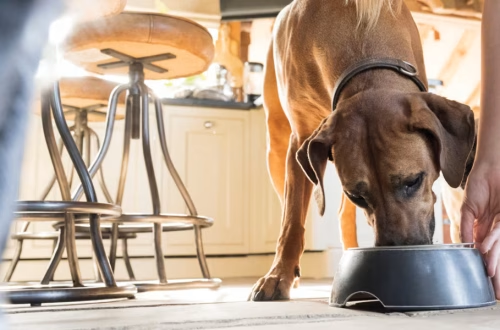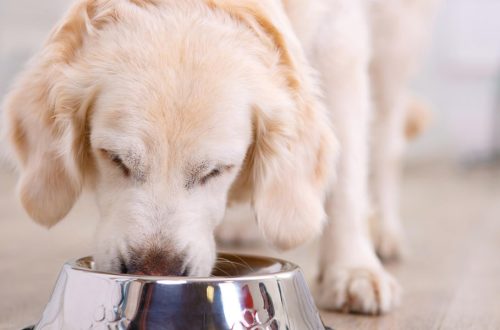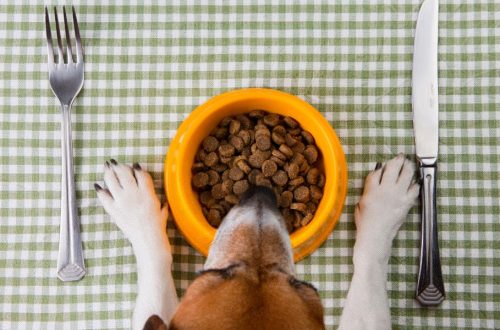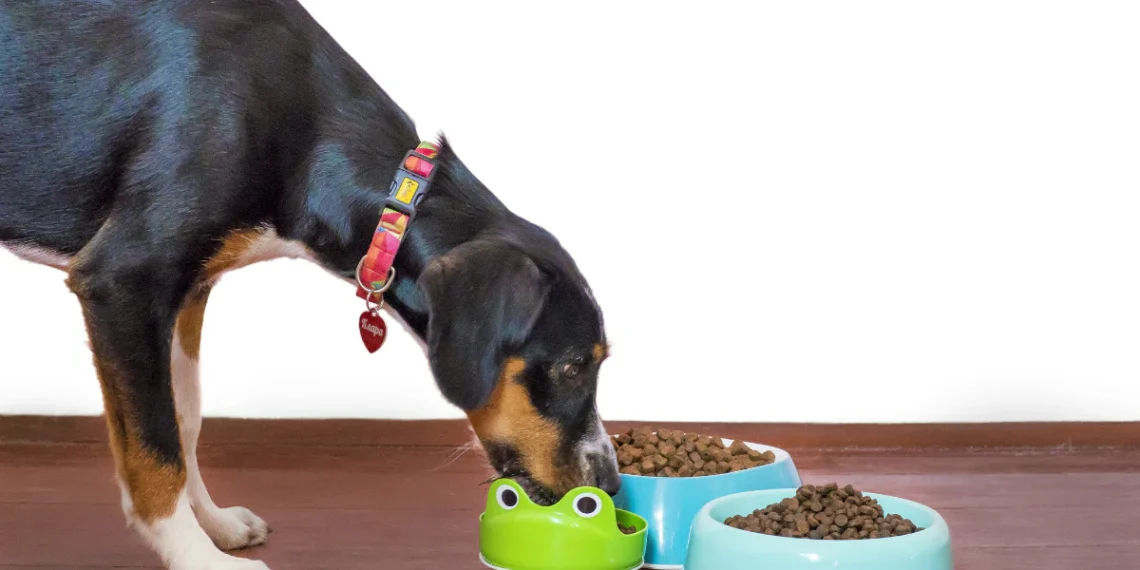
Switching a pet’s food can feel simple on the surface, yet it is one of the most common causes of digestive upset. I have seen perfectly healthy pets develop diarrhea, vomiting, or appetite changes simply because a new food was introduced too quickly. The digestive system relies heavily on consistency, and sudden changes disrupt the balance that keeps everything running smoothly. A thoughtful transition protects gut health and makes the change far less stressful for both pet and owner.
Food changes happen for many reasons, including age, health needs, availability, or quality concerns. No matter the reason, the process matters just as much as the food itself. A slow, intentional transition allows the digestive system to adapt without shock. Paying attention to timing, portions, and behavior turns what could be a rough experience into a smooth adjustment.
Why Sudden Food Changes Cause Stomach Problems
A pet’s digestive system is home to billions of beneficial bacteria. These bacteria help break down food, absorb nutrients, and maintain stool consistency. When food changes suddenly, the bacterial population does not have time to adjust.
I have noticed that abrupt switches often lead to loose stools, gas, or stomach noises within a day or two. The digestive system struggles to process unfamiliar ingredients at the same speed as the old food. This imbalance creates irritation and inefficient digestion.
The goal of a proper transition is to give the gut time to adapt. Gradual changes allow beneficial bacteria to shift naturally, reducing the risk of discomfort. This process protects both short-term digestion and long-term gut health.
Signs a Food Transition Is Moving Too Fast
Digestive upset is the most obvious sign that a transition is happening too quickly. Loose stools, diarrhea, vomiting, or excessive gas often appear first. These symptoms usually indicate irritation rather than intolerance.
Behavioral changes can also show up. Reduced appetite, reluctance to eat, or restlessness after meals suggest discomfort. I pay close attention to energy levels during transitions because lethargy often accompanies digestive stress.
Mild symptoms sometimes resolve on their own, but persistent issues signal the need to slow down. Ignoring early signs often leads to longer recovery times. Adjusting pace early prevents unnecessary strain.
When Switching Food Is Necessary
Some food changes are optional, while others are unavoidable. Growth stages, such as moving from puppy or kitten food to adult food, require changes to meet nutritional needs. Medical conditions may also demand dietary adjustments.
I have also had to switch foods due to recalls, discontinued products, or ingredient changes. In these cases, planning becomes even more important because stress levels may already be high. Preparation reduces the risk of compounding problems.
Even positive upgrades should be handled carefully. Higher-quality food can still cause digestive upset if introduced too quickly. The body needs time to adapt regardless of whether the change is beneficial.
Preparing for a Smooth Transition
Preparation starts before the first scoop of new food is served. I make sure to have enough of the old food available to complete a gradual transition. Running out halfway through often forces an abrupt change.
Reading ingredient lists helps anticipate potential sensitivities. Foods with drastically different protein sources, fat levels, or fiber content require extra caution. Similar profiles often transition more easily.
I also choose a low-stress period for the change. Avoiding transitions during travel, schedule disruptions, or illness gives the digestive system the best chance to adjust smoothly.
The Gradual Transition Method
The gradual transition method is the safest and most reliable approach. It involves mixing increasing amounts of the new food with decreasing amounts of the old food over time. This slow shift allows the gut to adapt step by step.
I typically start with about seventy-five percent old food and twenty-five percent new food. After several days without issues, I move to a half-and-half mix. The process continues until the new food fully replaces the old one.
This timeline can take anywhere from seven to fourteen days or longer for sensitive pets. Rushing the process often leads to setbacks. Patience pays off with better digestion and fewer complications.
Adjusting the Pace for Sensitive Pets
Some pets have especially sensitive stomachs. These pets benefit from even slower transitions. Extending each phase by several days reduces the risk of irritation.
I have worked with pets that needed three or four weeks to transition comfortably. While this may feel slow, it prevents repeated digestive flare-ups. Consistency matters more than speed.
Watching stool quality provides valuable feedback. Firm, well-formed stools usually indicate that the current ratio is working. Any decline suggests the need to pause or step back.
Portion Control During Transitions
Portion size matters during food changes. Overfeeding increases digestive workload and worsens symptoms. I stick closely to recommended portions, sometimes reducing them slightly during the transition.
Smaller meals can also help. Splitting daily food into multiple meals reduces strain on the digestive system. This approach supports smoother processing during adjustment periods.
Once the transition is complete, normal portions can resume. Gradual increases help avoid sudden digestive demands. Moderation supports comfort and stability.
The Role of Fiber in Food Transitions
Fiber plays a key role in stool consistency. Sudden changes in fiber content often cause diarrhea or constipation. Paying attention to fiber levels helps predict how a transition might go.
I notice that foods with similar fiber sources tend to transition more easily. Large jumps in fiber require slower pacing. Adding a small amount of plain fiber, under guidance, can sometimes help stabilize stools.
Balance remains important. Too much fiber can worsen gas or bloating. Matching fiber levels closely during transitions reduces digestive shock.
Hydration and Digestive Comfort
Hydration supports digestion during food changes. Water helps move food through the digestive tract and supports nutrient absorption. Dehydration can worsen constipation or diarrhea.
I ensure fresh water is always available during transitions. Adding moisture to meals can also help, especially for pets eating dry food. This supports gentler digestion.
Monitoring water intake provides insight into comfort levels. Reduced drinking may signal nausea or discomfort. Addressing hydration early helps maintain balance.
Treats and Extras During Transitions
Treats often complicate food transitions. Introducing new treats alongside a new food adds unnecessary variables. I keep treats limited and familiar during this period.
Even small extras can trigger digestive upset. Table scraps, flavored supplements, or chews may interfere with the transition process. Consistency simplifies troubleshooting.
Once the new food is fully established, treats can be reintroduced gradually. This staged approach reduces confusion and digestive stress.
Switching Proteins Versus Brands
Switching protein sources tends to be more challenging than switching brands with similar ingredients. The digestive system reacts strongly to new proteins, especially if exposure has been limited.
I take extra time when changing from one protein to another. Slower transitions reduce the risk of allergic reactions or digestive upset. Monitoring skin and stool closely helps catch issues early.
Brand changes with similar protein sources often transition more smoothly. Even then, gradual mixing remains important. Familiarity still matters at the digestive level.
Age and Food Transitions
Age influences how well pets handle dietary changes. Puppies and kittens often adapt quickly but still benefit from gradual transitions. Rapid growth makes digestive stability especially important.
Adult pets usually handle changes well when transitions are done properly. Consistency and routine support smooth adaptation. Sudden changes still pose risks.
Senior pets often require the slowest transitions. Aging digestive systems adapt more slowly, and existing health conditions may complicate changes. Extra patience protects comfort and well-being.
Managing Food Transitions for Cats
Cats can be especially resistant to food changes. Many cats form strong preferences for texture, smell, and shape. Sudden changes often lead to refusal rather than digestive upset.
I mix foods thoroughly to prevent selective eating. Gradual changes help cats accept new flavors without stress. Rushing often leads to hunger strikes rather than cooperation.
Patience is critical with cats. Forcing change rarely works. Gentle persistence and consistency usually yield better results over time.
Managing Food Transitions for Dogs
Dogs are often more adaptable than cats, but they are not immune to digestive upset. Enthusiasm for food does not equal digestive readiness. Gradual transitions remain essential.
I monitor stool quality closely in dogs because changes can happen quickly. Dogs may appear fine while developing loose stools within a day. Early adjustments prevent prolonged issues.
Maintaining routine helps dogs adapt. Feeding at consistent times and locations supports digestion during transitions.
Using Probiotics During Transitions
Probiotics can support gut balance during food changes. They help maintain healthy bacterial populations as the diet shifts. This support often reduces the severity of digestive symptoms.
I use probiotics selectively and consistently during transitions. Not all pets need them, but sensitive individuals often benefit. Results vary, so observation remains important.
Probiotics are not a substitute for gradual transitions. They work best alongside a slow, thoughtful process rather than as a quick fix.
What to Do If Problems Arise
If digestive issues appear, slowing down is the first step. Returning to the previous ratio often resolves symptoms within a day or two. Rushing forward rarely helps.
I avoid switching foods again immediately unless advised. Multiple rapid changes compound digestive stress. Stability allows the gut to recover.
Persistent symptoms warrant professional advice. Ongoing vomiting, severe diarrhea, or lethargy should never be ignored. Early intervention prevents complications.
Long-Term Benefits of Proper Food Transitions
Proper food transitions protect more than digestion. They support nutrient absorption, immune health, and overall comfort. Pets that transition well often show better energy and appetite.
I have noticed that pets who experience smooth transitions tend to tolerate future changes better. Their digestive systems remain more resilient. This flexibility becomes valuable over time.
Good transition habits build confidence. Knowing how to switch foods safely reduces stress when changes become necessary.
Final Thoughts
Switching pet food safely without upsetting their stomach requires patience, planning, and observation. The digestive system thrives on consistency, and gradual transitions respect that need. Small steps prevent big problems.
Every pet responds differently to dietary changes. Paying attention to stool quality, behavior, and appetite guides the process. Adjustments made early save time and discomfort later.
A thoughtful transition supports long-term health and comfort. With the right approach, food changes become manageable rather than disruptive, creating a positive experience for both pet and owner.