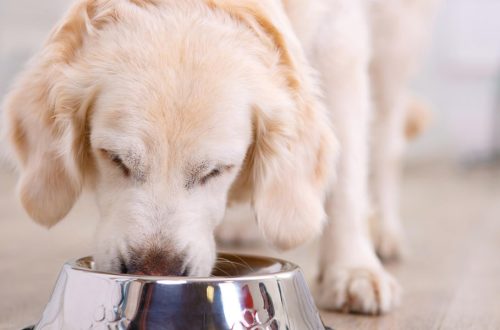
Pets change constantly, even when those changes are subtle and easy to overlook. Appetite, energy, digestion, and body condition all shift over time, and food plays a major role in how smoothly those transitions happen. I have seen how feeding the same diet year after year can slowly fall out of sync with a pet’s actual needs. Matching food to age is one of the most practical ways to support long-term health without overcomplicating daily routines.
Age-appropriate nutrition is not about upgrading to the newest product or following rigid rules. It is about recognizing that growth, maintenance, and aging place different demands on the body. Food that supports one life stage may quietly strain another. Paying attention to these differences helps pets stay comfortable, active, and resilient as they move through each phase of life.
Why Age Matters in Pet Nutrition
Age influences how a pet uses nutrients, how efficiently food is digested, and how energy is stored or burned. Younger pets build tissue rapidly, while adults focus on maintaining what they already have. Older pets often need support for joints, digestion, and metabolic balance. Feeding without considering age ignores these biological shifts.
I have noticed that many health issues blamed on genetics or bad luck actually reflect diets that no longer match a pet’s life stage. Weight gain, low energy, and digestive discomfort often improve once food is adjusted. Age-specific nutrition acts as a form of preventative care. It supports the body before visible problems appear.
Feeding Puppies and Kittens for Growth
Puppies and kittens grow at an incredible pace, which places heavy demands on their bodies. Their food must supply enough energy and nutrients to support bone development, muscle growth, and organ maturation. Protein and fat play especially important roles during this stage. Balance is critical because excesses can be just as harmful as deficiencies.
I pay close attention to portion sizes during growth. Overfeeding can strain developing joints and contribute to long-term issues. Underfeeding slows growth and weakens immune defenses. Growth diets are designed to strike this balance, but monitoring body condition remains essential. Healthy growth looks steady, not rushed.
Calcium and phosphorus levels also matter greatly during early development. Imbalances can affect skeletal structure, especially in larger breeds. That is why adult food is not appropriate for young pets. Growth formulas are built to support development safely and predictably.
Transitioning Out of the Growth Stage
The shift from puppy or kitten food to adult food is not just a change of label. It reflects a major shift in nutritional priorities. Growth slows, energy needs stabilize, and calorie density must be adjusted accordingly. Transition timing depends on species, breed, and size rather than a fixed age.
I avoid rushing this change, especially for larger dogs that mature more slowly. Gradual transitions help digestion adapt and prevent sudden weight changes. Mixing old and new food over several days reduces stress on the digestive system. This patience pays off in smoother adjustment.
Observing energy levels and body condition during this transition offers useful feedback. Adult food should support stable energy without fueling excessive weight gain. If activity drops or weight increases quickly, portions or formulas may need adjustment. Flexibility matters during this phase.
Adult Pets and Maintenance Nutrition
Adult pets spend the longest portion of their lives in the maintenance stage. Their food should support daily activity, muscle maintenance, and overall stability. At this stage, consistency becomes more important than novelty. Sudden changes often create more problems than benefits.
I look for adult foods that provide moderate calories and high-quality protein. This supports lean muscle without overloading the system. Fat levels should match activity, not exceed it. An active dog may need more energy than a sedentary one, even at the same age.
Digestive health becomes easier to assess during adulthood. Stool quality, coat condition, and appetite provide ongoing clues. Adult maintenance diets should keep these indicators steady. Any persistent change signals the need for reevaluation.
Adjusting Food for Activity Level
Age and activity are closely linked but not identical. Some adult pets remain highly active, while others slow down earlier. Food must reflect actual energy expenditure rather than assumptions based on age alone. Ignoring activity leads to gradual imbalance.
I adjust portions before switching formulas whenever possible. Small reductions or increases often solve issues without changing food entirely. This approach maintains digestive consistency. It also makes it easier to identify what truly needs adjustment.
For working or athletic pets, higher energy foods may remain appropriate well into adulthood. For quieter pets, lighter formulas prevent unnecessary weight gain. Matching food to lifestyle keeps age-related changes manageable rather than disruptive.
Feeding Senior Pets With Care
Senior pets experience changes that are both physical and metabolic. Muscle mass may decline, joints may stiffen, and digestion can become less efficient. Food at this stage should support comfort and mobility without overburdening internal systems. Calories often need to decrease while nutrient quality improves.
I focus on high-quality, easily digestible protein for older pets. This helps maintain muscle without excessive strain. Fiber can support digestion, but too much may interfere with nutrient absorption. Balance remains the guiding principle.
Joint-supporting nutrients often appear in senior formulas. While not a cure, they contribute to overall comfort when combined with appropriate activity. Weight control becomes especially important because excess weight magnifies joint stress. Food choices play a central role here.
Recognizing When a Pet Is Entering the Senior Stage
The senior stage does not arrive on a single birthday. Changes appear gradually and vary widely by species and breed. Reduced stamina, longer rest periods, and subtle weight changes often mark the transition. Diet should evolve alongside these signs rather than waiting for problems to escalate.
I prefer proactive adjustments rather than reactive ones. Introducing senior food before major issues arise can ease the transition. Gradual changes allow the body to adapt smoothly. This approach supports quality of life rather than responding to decline.
Monitoring appetite and digestion becomes increasingly important. Older pets may eat less or become pickier. Food that smells appealing and digests easily helps maintain consistent intake. Small details make a noticeable difference at this stage.
Special Considerations for Small and Large Breeds
Breed size influences how pets age and how their nutritional needs shift. Smaller breeds often live longer and transition through life stages more slowly. Larger breeds mature quickly but age faster. Food choices should reflect these patterns.
I am especially cautious with large breed puppies, as growth management is critical. Specialized formulas help regulate growth rates safely. For large breed seniors, joint and weight support become priorities earlier. Timing matters as much as formulation.
Small breeds may require calorie-dense food due to faster metabolisms. However, portion control remains essential. Age-specific formulas designed for size simplify these decisions. They account for both age and physical structure.
Cats and Age-Specific Nutrition
Cats follow a different nutritional path than dogs. Their status as obligate carnivores shapes every life stage. Protein remains central from kittenhood through senior years. Age influences how that protein is utilized rather than its importance.
Kittens need frequent meals and high energy intake to support rapid growth. Adult cats benefit from consistent feeding routines that prevent obesity. Senior cats often require more protein to maintain muscle mass despite reduced appetite. Adjustments must respect these unique needs.
Hydration also becomes more important with age. Wet food often supports older cats who drink less water. Texture and aroma influence acceptance. Food choices should align with both nutritional needs and natural feline preferences.
Reading Labels With Age in Mind
Food labels provide guidance, but they require interpretation. Age designations like growth, maintenance, or all life stages signal different nutrient profiles. I avoid assuming that all life stage foods suit every situation equally. Specific age formulas often offer better precision.
Ingredient quality matters at every age, but priorities shift. Growth diets emphasize development, while senior diets emphasize digestibility. Guaranteed analysis values offer clues about protein, fat, and fiber balance. Reading beyond marketing claims helps clarify suitability.
Feeding guidelines on packaging are starting points rather than rules. Individual pets rarely match averages. Adjustments based on observation refine these recommendations. Labels inform decisions, but experience confirms them.
Transitioning Between Life Stage Foods
Changing food abruptly often leads to digestive upset. Gradual transitions respect the digestive system’s need to adapt. Mixing old and new food over a week or more reduces discomfort. This process becomes especially important for senior pets.
I watch stool quality closely during transitions. Loose stools signal the need to slow down. Patience prevents unnecessary stress. Successful transitions feel uneventful rather than dramatic.
Consistency after transition helps stabilize digestion. Frequent changes create confusion rather than improvement. Allowing time to evaluate the new food ensures informed decisions. Balance thrives on steady habits.
Weight Changes as an Age Indicator
Weight gain or loss often reflects mismatched nutrition. Puppies gaining too quickly or seniors losing weight unintentionally both signal imbalance. Food should support stable body condition appropriate for age. Adjustments should be timely and measured.
I rely on hands-on assessment rather than scales alone. Feeling ribs, observing waist definition, and noting muscle tone provide clearer insight. Age influences what healthy looks like. Expectations must evolve accordingly.
Addressing weight changes early prevents compounding problems. Small corrections are easier than major interventions. Food remains the primary tool for managing these shifts. Awareness keeps issues manageable.
Treats and Age-Appropriate Feeding
Treats affect nutritional balance at every age. For young pets, excessive treats displace essential nutrients. For adults, they add hidden calories. For seniors, they may interfere with appetite for balanced meals. Moderation becomes increasingly important.
I choose treats designed for specific life stages whenever possible. Softer textures suit older pets, while training treats work well for young ones. Treats should complement, not compete with, main meals. Structure keeps indulgence safe.
Reducing treat size rather than frequency often preserves bonding without excess calories. Pets value attention as much as food. Balance applies to rewards as well as meals. Thoughtful choices prevent gradual imbalance.
Health Conditions and Age-Related Diet Changes
Age increases the likelihood of health conditions that influence diet. Joint issues, dental problems, and digestive sensitivity all affect food tolerance. Diet adjustments should align with these changes rather than ignore them. Food can support management alongside veterinary care.
I remain cautious about making major dietary changes without guidance. Age-related conditions complicate nutritional needs. Professional advice ensures balance remains intact. Collaboration improves outcomes.
Monitoring response to diet changes becomes more important with age. Improvements may be subtle but meaningful. Food should support comfort and stability rather than chase dramatic results. Steady progress reflects good alignment.
Consistency Across the Household
Feeding practices must remain consistent among all caregivers. Mixed messages lead to overfeeding or inappropriate treats. Age-specific nutrition depends on shared understanding. Everyone involved should know what and how much to feed.
I communicate clearly about portion sizes and feeding schedules. Visual guides help maintain consistency. Structure reduces confusion for both pets and people. Shared responsibility supports better outcomes.
Routine feeding times also support digestion and behavior. Predictability reduces stress. Age-appropriate routines evolve but remain dependable. Consistency reinforces nutritional balance.
Final Thoughts
Choosing the right food for your pet’s age is an ongoing process rather than a single decision. Needs shift gradually, and food should evolve alongside them. I have found that paying attention to small changes prevents larger problems later. Age-appropriate nutrition supports comfort, energy, and resilience at every stage.
Flexibility and observation matter more than strict rules. Pets communicate through behavior, body condition, and appetite. Listening to those signals guides better choices than any chart alone. Food becomes a tool for care rather than guesswork.
Supporting pets through each life stage begins with respect for their changing bodies. Thoughtful feeding honors that responsibility. With patience and attention, nutrition becomes one of the simplest ways to offer lasting care.