Training and behavior shape daily life with pets more than almost anything else. From simple routines like walking calmly on a leash to more complex goals such as recall or reducing anxiety-driven habits, progress depends on consistency and the right tools. Over time, I have seen how well-designed accessories can quietly support better behavior without turning training into a stressful experience. The right accessories do not replace patience or time, but they make communication clearer and expectations easier for pets to grasp.
Training accessories work best when they blend naturally into everyday routines. Tools that feel awkward, harsh, or overly complicated often create resistance rather than improvement. I focus on accessories that guide behavior gently, reinforce positive habits, and fit comfortably into a pet’s normal environment. When training tools feel like a natural extension of daily life, results come more steadily.
Why Accessories Matter in Training and Behavior
Behavior is influenced by structure, feedback, and consistency. Accessories provide physical cues that help pets understand what is expected of them. A leash, harness, or marker tool can clarify boundaries far better than verbal cues alone, especially in distracting environments.
Training accessories also help me stay consistent. They reduce guesswork and prevent mixed signals. When expectations remain clear, pets relax and respond more confidently, which improves behavior over time.
Leashes That Support Focus and Control
Leashes play a central role in behavior training, particularly during walks and outdoor exposure. A well-designed leash provides steady communication without tension or sudden jerks. I prefer leashes that allow a firm grip and smooth handling, which helps me guide movement calmly.
Different leash lengths support different training goals. Shorter leashes help reinforce loose-leash walking, while longer options allow controlled freedom during recall training. Reliable leashes reduce frustration on both ends and encourage calm, attentive behavior.
Harnesses That Encourage Better Movement
Harnesses influence how pets move and respond to guidance. Poorly designed harnesses can increase pulling or discomfort, which often leads to behavioral issues. I look for harnesses that distribute pressure evenly and allow natural movement.
Training-friendly harnesses often include front attachment points that redirect pulling without force. This design encourages pets to slow down and pay attention. Comfortable movement supports calmer behavior and better focus during training sessions.
Collars Used With Clear Purpose
Collars remain a common training accessory, but their effectiveness depends on fit and use. I rely on collars primarily for identification and gentle guidance rather than control. A properly fitted collar sits comfortably without slipping or tightening unexpectedly.
Consistency matters more than intensity. When collars are used thoughtfully and paired with positive reinforcement, they support training rather than undermine it. Clear signals help pets understand boundaries without fear or confusion.
Treat Pouches for Positive Reinforcement
Positive reinforcement works best when rewards are timely and consistent. Treat pouches make this possible during real-world training situations. I use pouches that sit securely and allow quick access without distracting movement.
Easy access to rewards reinforces desired behavior immediately. This clarity strengthens associations and speeds up learning. Treat pouches support calm, focused training rather than frantic searching for rewards.
Clickers and Marker Tools
Marker tools such as clickers provide precise feedback during training. The consistent sound marks correct behavior at the exact moment it occurs. I have found this clarity especially useful for shaping complex behaviors.
Marker tools remove ambiguity from communication. Pets learn faster when feedback is immediate and predictable. Over time, markers build confidence and reduce confusion during training sessions.
Long Lines for Recall Training
Recall training requires controlled freedom. Long lines allow pets to explore while maintaining a safety connection. I use long lines to practice recall in open spaces without risking loss of control.
These accessories support gradual progress. Pets learn that returning on cue does not end fun or freedom. Long lines balance independence and safety while reinforcing reliable responses.
Head Halters for Directional Guidance
Head halters provide gentle directional control for pets that struggle with pulling or reactivity. I view them as communication tools rather than restraints. When used properly, they redirect attention without causing discomfort.
Introducing head halters slowly and positively is essential. Gradual acclimation builds trust and acceptance. With patience, these accessories can reduce tension and improve focus during walks.
Training Mats for Calm Behavior
Training mats help define space and promote calm behavior. I use them during indoor training sessions to teach settling and impulse control. A designated mat becomes a visual cue for relaxation.
Over time, pets associate the mat with calm expectations. This accessory supports behavior management during meals, visitors, or quiet time. Consistency turns a simple mat into a powerful training tool.
Crates as Behavior Support Tools
Crates often carry negative assumptions, but used correctly, they support training and emotional regulation. I treat crates as safe, comfortable spaces rather than confinement tools. A well-introduced crate provides structure and security.
Crates help manage behavior during transitions, travel, or overstimulation. They also support house training by encouraging routine and predictability. When introduced positively, crates become trusted spaces.
Gates and Barriers for Boundary Training
Physical boundaries help reinforce behavioral expectations. Gates and barriers define spaces without constant supervision. I use them to manage access and reduce overstimulation during training phases.
Clear boundaries reduce confusion and prevent unwanted habits from forming. Over time, pets learn expectations even when barriers are removed. These accessories support structure without punishment.
Chew Accessories for Redirection
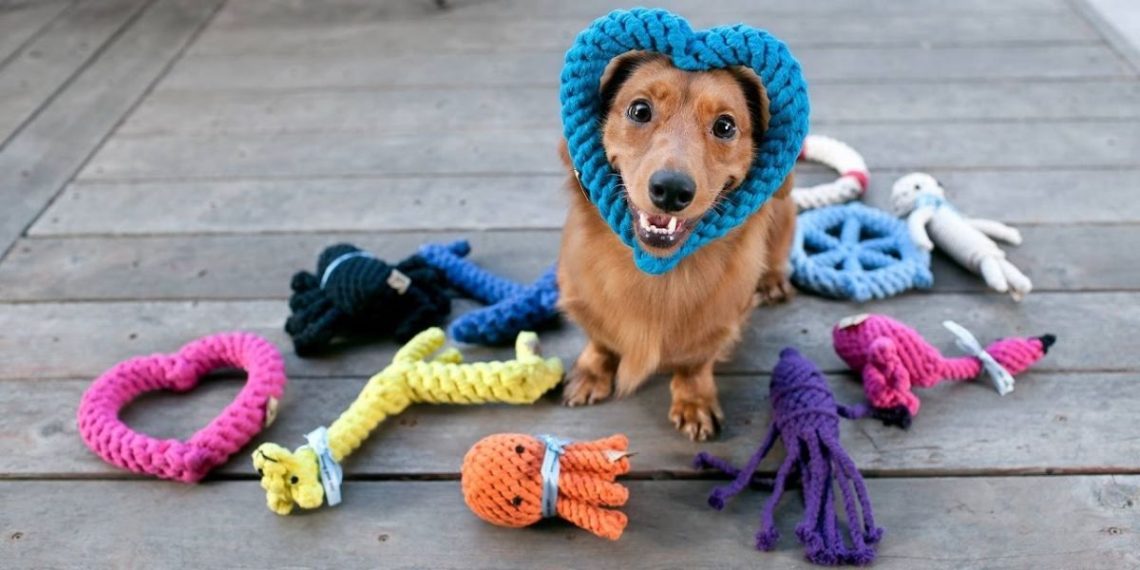
Chewing is a natural behavior that often causes issues when misdirected. Appropriate chew accessories redirect this instinct constructively. I provide designated chew items to prevent destructive behavior.
Offering acceptable outlets reduces frustration and anxiety. Chew accessories support mental stimulation and stress relief. Redirection works best when alternatives are always available.
Interactive Toys for Mental Engagement
Mental stimulation plays a major role in behavior. Interactive toys challenge problem-solving skills and reduce boredom-related issues. I use them to channel energy into productive activities.
Engaged minds lead to calmer behavior. Interactive toys support focus and patience while reinforcing independent play. These accessories complement training by addressing underlying needs.
Training Leads for Indoor Practice
Indoor training often benefits from lightweight leads. I use training leads to guide behavior gently without constant handling. These leads allow subtle corrections and support impulse control.
Indoor leads reduce chasing or grabbing during early training stages. They provide control while preserving calm interactions. Small adjustments create smoother learning experiences.
Sound and Sensory Accessories
Some pets respond strongly to sensory input. Accessories that manage sound or provide comfort help regulate emotional responses. I use calming wraps or noise-dampening tools during stressful situations.
Reducing sensory overload supports better behavior. Calm environments improve focus and responsiveness. These accessories address emotional triggers rather than surface behaviors.
Consistency Through Routine Accessories
Accessories support routine, which shapes behavior. Feeding tools, walking gear, and training supplies used consistently reinforce predictability. Pets thrive when routines remain stable.
Routine-based accessories signal transitions and expectations. Over time, these cues reduce anxiety and resistance. Structure builds trust and cooperation.
Adjustability and Comfort in Training Tools
Comfort influences behavior more than many realize. Accessories that pinch, rub, or restrict movement create stress responses. I prioritize adjustable designs that adapt to growth and activity.
Proper fit prevents distraction and discomfort. Comfortable pets engage more fully in training. Adjustability ensures tools remain effective over time.
Durability and Reliability in Training Accessories
Training accessories face repeated use and pressure. Durable materials ensure reliability during critical moments. I avoid tools that degrade quickly or fail under stress.
Reliable accessories prevent setbacks caused by breakage or inconsistency. Quality materials support long-term training goals. Dependable tools build confidence for both pet and owner.
Human Behavior and Accessory Use
Training success depends as much on human behavior as pet response. Accessories that are easy to use encourage consistency. Complicated tools often lead to frustration or misuse.
Simple, intuitive accessories support better habits. Ease of use reduces errors and improves communication. Good design benefits both ends of the leash.
Long-Term Behavior Support Through Accessories
Accessories play an ongoing role beyond initial training. They support maintenance of good habits and prevent regression. I continue using certain tools even after behaviors stabilize.
Long-term use reinforces expectations gently. Accessories become part of daily life rather than temporary solutions. This continuity supports lasting behavioral improvement.
Final Thoughts
Accessories that help with training and behavior work best when they support clarity, comfort, and consistency. They are not shortcuts, but they make communication smoother and progress more reliable. Through experience, I have learned that thoughtful tools reduce frustration and strengthen trust.
Training becomes less about control and more about cooperation when the right accessories are in place. Pets respond to clear signals and positive reinforcement. With patience and the right support, training and behavior improvement become natural parts of everyday life.