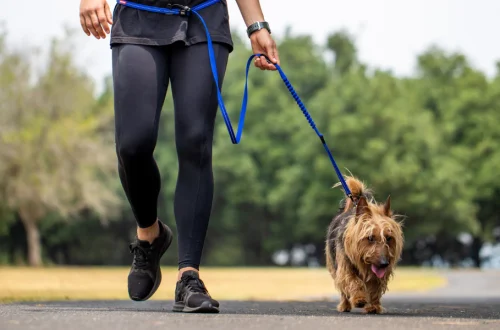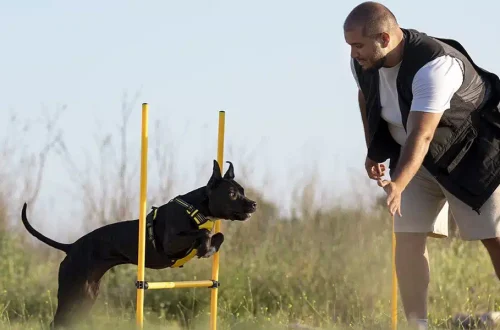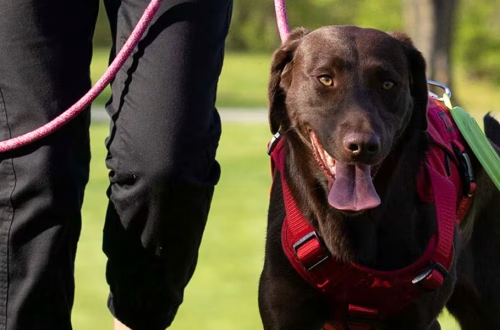
Walks should feel like a shared break from the day, not a constant tug-of-war or a test of patience. I have learned that leash problems rarely come from stubbornness alone, but from confusion, mismatched expectations, or tension traveling down the leash itself. Once those issues are addressed, walks start to feel calmer and more enjoyable for both sides.
Leash training is not about control, it is about communication. The leash acts as a physical connection that amplifies emotions, habits, and timing. When training focuses on clarity and consistency, stress fades and walking becomes a cooperative experience instead of a daily struggle.
Why Leash Training Matters More Than People Realize
Leash behavior shapes every walk. Pulling, stopping suddenly, or reacting to distractions turns what should be relaxing into something exhausting. Poor leash habits also increase stress levels for pets, even if it looks like excitement on the surface.
Good leash training creates predictability. Predictability lowers anxiety and builds confidence. Walks become smoother because expectations stay clear from start to finish.
Starting With the Right Mindset
Mindset influences outcomes more than equipment or technique. Approaching leash training with frustration almost guarantees resistance. Calm intention sets the tone before the leash is even clipped on.
I remind myself that walking is a skill, not a given. Treating it as something to be practiced rather than demanded changes how progress unfolds. Patience becomes part of the process instead of an afterthought.
Building Calm Before the Walk Begins
Many leash issues start before the door opens. Excitement spikes when routines are rushed or inconsistent. That energy carries straight into the walk.
Pausing before leaving helps reset expectations. Waiting calmly before clipping the leash teaches self-control. Calm beginnings often lead to calmer walks.
Teaching Leash Pressure Awareness
Leash pressure should communicate guidance, not frustration. Pets need to learn what pressure means and how to respond to it. Without that understanding, pulling becomes habitual.
I focus on rewarding moments when the leash stays loose. Gradually, pets learn that slack equals freedom while tension pauses progress. This simple pattern builds awareness without force.
Loose Leash Walking Starts Small
Expecting perfect leash behavior on long walks sets everyone up for frustration. Short practice sessions build success faster. Small distances allow clearer communication.
I practice loose leash walking in quiet areas first. Once consistency improves, distance increases naturally. Gradual expansion prevents overwhelm.
Using Consistent Walking Cues
Consistency helps pets predict what comes next. Using the same walking cue signals the start of focused movement. Random starts create confusion.
A clear cue separates free exploration from structured walking. Pets respond better when expectations shift intentionally rather than suddenly. Consistent cues reduce pulling and stopping.
Managing Pulling Without Turning It Into a Battle
Pulling often reinforces itself when it works. Continuing forward while the leash is tight teaches that pulling gets results. Stopping removes that reward.
I pause movement when tension appears. Forward motion resumes only when the leash loosens. This teaches cause and effect without confrontation.
Rewarding Position Rather Than Speed
Speed often becomes the focus during walks, but position matters more. Reinforcing where the pet walks builds clarity. Calm position reduces reactivity.
I reward moments when my pet stays close without tension. This encourages attention and alignment. Over time, position becomes habitual.
Shortening the Leash Without Adding Tension
Shorter leash length increases control but can increase stress if done abruptly. Smooth adjustments prevent sudden pressure. Gentle transitions maintain calm.
Keeping hands relaxed avoids sending mixed signals. Control comes from consistency, not tightness. Calm handling supports trust.
Reading Body Language During Walks
Body language often signals problems before pulling starts. Stiff posture, fixed staring, or pacing changes indicate rising tension. Addressing these early prevents escalation.
I slow down or change direction when tension builds. This resets focus before reactions occur. Awareness improves outcomes more than correction.
Handling Distractions Without Overreacting
Distractions are part of real-world walking. Expecting perfect focus sets unrealistic goals. Training teaches recovery, not avoidance.
Creating distance from distractions lowers pressure. Gradual exposure builds resilience. Calm responses teach pets how to cope rather than react.
Changing Direction to Regain Focus
Direction changes interrupt pulling patterns. Turning calmly redirects attention without confrontation. Movement becomes dynamic instead of rigid.
I use direction changes to reset engagement. This keeps walks interactive and responsive. Focus returns naturally through movement.
Managing Stopping and Refusing to Walk
Stopping often signals uncertainty or overload. Forcing movement increases resistance. Pausing allows assessment.
I wait calmly and reward any step forward. Encouragement works better than pressure. Confidence grows through patience.
Keeping Sessions Short and Successful
Long walks during early training create fatigue and frustration. Short, focused sessions preserve clarity. Ending on success builds motivation.
I separate exercise walks from training walks when needed. This prevents overload. Structure supports learning.
Consistency Across Daily Walks
Consistency shapes habits faster than intensity. Walking rules should remain the same each time. Mixed expectations confuse learning.
Maintaining the same responses reinforces patterns. Pets adapt when outcomes stay predictable. Consistency reduces stress.
Managing Energy Levels Before Walking
Excess energy fuels pulling. Brief play or mental stimulation before walking reduces intensity. Balanced energy improves focus.
I avoid starting walks during peak excitement. Calmer starts lead to better behavior. Preparation matters.
Handling Reactive Moments Calmly
Reactivity increases leash tension instantly. Responding emotionally escalates the situation. Calm handling de-escalates faster.
I create space rather than confront triggers. Distance allows recovery. Calm redirection preserves control.
Using Rewards Strategically
Rewards guide behavior during walks. Well-timed reinforcement shapes habits. Random rewards reduce clarity.
I reward calm choices and loose leash moments. Gradually, rewards space out naturally. Behavior becomes self-reinforcing.
Avoiding Overcorrection on Walks
Constant correction overwhelms communication. Too many signals create noise. Selective responses improve clarity.
Allowing small mistakes prevents frustration. Overcorrection disrupts flow. Balance supports learning.
Teaching Attention Without Stopping the Walk
Attention does not require stopping completely. Encouraging brief check-ins keeps movement smooth. Flow matters.
I reward eye contact while walking. This reinforces connection without interrupting momentum. Attention becomes natural.
Adapting Walks to Individual Needs
Each pet walks differently. Some need slower pacing, others need structure. Adaptation supports success.
Observing preferences improves training. Walks feel cooperative when needs are respected. Individualization reduces resistance.
Preventing Leash Training Burnout
Burnout affects both sides. Repeating frustrating walks reduces motivation. Adjustments prevent stagnation.
Changing routes or routines refreshes engagement. Small changes revive interest. Enjoyment sustains consistency.
Integrating Training Into Everyday Walks
Training does not need separate sessions forever. Skills integrate into regular walks over time. Structure becomes habit.
Gradual integration maintains progress. Walks remain enjoyable. Training blends seamlessly into routine.
Handling Setbacks Without Losing Progress
Setbacks happen due to environment changes or stress. Reacting calmly prevents regression. Returning to basics restores clarity.
I treat setbacks as temporary. Consistency rebuilds reliability. Progress resumes with patience.
Teaching Calm Endings to Walks
Endings matter as much as beginnings. Calm finishes reinforce self-control. Excited endings can undo progress.
I slow down near home. This teaches relaxation after stimulation. Balance improves overall behavior.
Long-Term Benefits of Proper Leash Training
Proper leash training improves more than walks. Focus, patience, and confidence carry into other areas. Skills generalize naturally.
Stress-free walks strengthen the bond. Shared calm experiences build trust. Walking becomes quality time.
Common Mistakes That Increase Stress
Rushing progress increases tension. Ignoring early signs escalates issues. Inconsistency undermines learning.
Recognizing mistakes early prevents habits. Adjustments restore balance. Awareness supports improvement.
Staying Patient Through the Process
Patience sustains progress. Leash training unfolds gradually. Results compound over time.
Celebrating small improvements keeps motivation alive. Patience transforms challenges into milestones. Consistency rewards effort.
Final Thoughts
Leash training sets the tone for every walk and often for the entire day. Clear communication, calm handling, and consistent expectations turn stressful walks into shared moments of ease. Progress does not require perfection, only patience and clarity.
Stress-free walks grow from understanding how small habits shape big outcomes. With steady practice and emotional control, the leash becomes a connection rather than a source of tension. Over time, walking together feels less like work and more like a rhythm both sides enjoy.