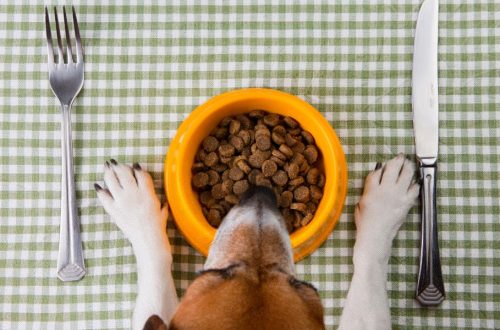
Feeding schedules shape a pet’s daily rhythm more than most people realize. I see it every day in how dogs anticipate mealtimes and how cats anchor their routines around food. A consistent schedule affects digestion, energy levels, behavior, and even emotional security. Getting it right is not about rigid rules but about aligning meals with a pet’s biology, age, and lifestyle.
Over the years, I have paid close attention to how timing, portioning, and frequency influence overall wellbeing. Pets thrive on predictability, and food is one of the strongest signals in their world. By paying attention to feeding schedules rather than only what goes in the bowl, it becomes much easier to support long-term health. This article breaks down what works best for dogs and cats, why their needs differ, and how to adjust schedules as life changes.
Why Feeding Schedules Matter More Than Most Owners Think
A feeding schedule is more than a habit; it is a framework that supports physical and mental balance. Regular meal times help regulate blood sugar, prevent overeating, and support smoother digestion. I have noticed that pets fed at random times tend to be more anxious around food and more prone to begging or scavenging behavior. Predictable meals remove that uncertainty.
Consistency also plays a role in training and household harmony. Dogs, in particular, respond well to routines, and meal timing can reinforce structure throughout the day. Cats may appear independent, but they are deeply routine-driven animals who feel safest when their environment follows a pattern. Feeding schedules quietly reinforce that sense of stability.
From a health perspective, structured feeding makes it easier to notice changes in appetite. When meals are predictable, skipping food or eating less becomes a clear signal that something may be wrong. That awareness can lead to earlier intervention and better outcomes.
How Dogs and Cats Differ in Their Feeding Needs
Dogs and cats process food differently, and their schedules should reflect that difference. Dogs are omnivores with digestive systems that handle larger meals less frequently. Cats are obligate carnivores designed to eat smaller portions more often. Ignoring these biological differences can create digestive discomfort and behavioral issues.
I have seen dog owners apply cat-style grazing habits to dogs, which often leads to weight gain. I have also seen cat owners try to force dogs’ twice-daily routines onto cats, resulting in constant hunger and vocal frustration. Recognizing that these species evolved with different eating patterns helps guide smarter scheduling.
Energy usage also differs between the two. Dogs tend to have bursts of activity followed by rest, making meal timing around walks or play especially important. Cats, on the other hand, follow a cycle of hunt, eat, groom, and sleep that repeats several times a day. Feeding schedules that respect these rhythms tend to work best.
Best Feeding Schedules for Adult Dogs
Most adult dogs do best with two meals per day. I have found that splitting daily portions into a morning and evening meal helps maintain steady energy without overwhelming the digestive system. This approach also reduces the risk of bloating compared to one large meal, especially in larger breeds.
Morning meals work well when given after a short walk or light activity. This timing allows dogs to burn off some energy before eating, which can aid digestion and reduce restlessness. Evening meals are best served well before bedtime to allow proper digestion and prevent overnight discomfort.
For some dogs, especially smaller breeds or very active individuals, three meals a day may be appropriate. I usually consider this option when a dog struggles to maintain weight or shows signs of low energy between meals. The key is consistency, as dogs quickly adapt to whatever schedule is reliably maintained.
Feeding Schedules for Puppies at Different Growth Stages
Puppies have different needs because their bodies are growing rapidly. I typically recommend three to four meals per day for young puppies, spaced evenly throughout the day. Smaller, frequent meals support steady growth and reduce the risk of blood sugar drops.
As puppies mature, their feeding schedule should gradually shift. Around six months of age, many puppies can transition to three meals per day. This change should be slow and deliberate to avoid digestive upset and stress.
By the time a dog reaches adulthood, most are ready for a two-meal schedule. I always pay attention to the individual puppy during this transition, as some need extra time before reducing meal frequency. Growth rate, breed size, and activity level all play a role in determining the right pace.
Best Feeding Schedules for Adult Cats
Cats are natural grazers, but that does not mean free-feeding works for every household. I have found that two to four small meals per day align well with a cat’s natural instincts. This approach mimics their evolutionary pattern of eating multiple small prey throughout the day.
Timed meals can be especially helpful for weight management. Free-feeding dry food often leads to overeating, particularly in indoor cats. Structured meal times allow for portion control while still respecting a cat’s need for frequent eating.
Morning and evening meals are common, but adding a small midday or late-night meal can make a big difference. Many cats become vocal early in the morning because their feeding schedule leaves long gaps overnight. Adjusting meal timing often resolves this behavior without adding extra calories.
Feeding Schedules for Kittens During Growth
Kittens require frequent meals to support rapid development. I usually aim for four meals per day during the early months. Their small stomachs cannot handle large portions, and frequent feeding helps maintain stable energy levels.
As kittens approach six months of age, meal frequency can be reduced gradually. Moving from four meals to three allows their digestive system to adapt while still supporting growth. This transition should be guided by body condition and appetite rather than age alone.
By the time a cat reaches adulthood, most can settle into two or three meals per day. I always watch for signs of excessive hunger or weight changes during this transition. Each kitten grows at its own pace, and feeding schedules should remain flexible during this stage.
The Role of Activity Level in Meal Timing
Activity level plays a major role in determining the best feeding schedule. Highly active dogs often benefit from meals timed around exercise. I prefer feeding after activity rather than before, as this reduces the risk of digestive issues and supports muscle recovery.
For working dogs or those involved in sports, meal timing becomes even more important. Smaller meals spaced strategically can support sustained energy without causing discomfort. I have seen performance improve simply by adjusting when meals are offered.
Cats may not exercise in structured ways, but their play patterns matter too. Feeding after play sessions often leads to calmer behavior and better sleep. This sequence mirrors their natural cycle and helps reduce nighttime restlessness.
How Feeding Schedules Affect Behavior
Behavioral changes often trace back to feeding routines. Dogs fed inconsistently may show increased anxiety, food guarding, or attention-seeking behaviors. I have noticed that regular meal times create a sense of security that reduces these issues.
Cats are especially sensitive to disruptions in routine. Missed or delayed meals can lead to vocalization, pacing, and stress-related behaviors. A predictable feeding schedule helps maintain emotional balance, particularly in multi-cat households.
Feeding schedules can also support training goals. Using meals as part of training sessions reinforces positive behavior and mental engagement. Timing food rewards strategically strengthens communication between pet and owner.
Adjusting Feeding Schedules for Senior Pets
As pets age, their nutritional and scheduling needs often change. Senior dogs may benefit from smaller, more frequent meals to support digestion. I have seen older dogs maintain better energy and comfort with this approach.
Senior cats often experience changes in appetite and digestion as well. Offering smaller meals throughout the day can encourage consistent eating. This strategy is especially helpful for cats with dental issues or reduced sense of smell.
Monitoring weight and appetite becomes even more important with senior pets. A feeding schedule that once worked may need adjustment to reflect slower metabolism or health conditions. Flexibility and observation are essential at this stage.
Feeding Schedules and Weight Management
Weight management is closely tied to feeding schedules. Portion control becomes easier when meals are timed and measured. I have found that structured feeding reduces mindless snacking and helps maintain a healthy body condition.
Dogs prone to weight gain often do better with two clearly defined meals rather than grazing. This structure helps regulate calorie intake and prevents constant hunger cues. It also makes treats easier to account for within the daily total.
Cats struggling with weight benefit from multiple small meals that prevent extreme hunger. Timed feeders can be useful tools, especially in busy households. Consistency remains the most important factor in achieving long-term success.
Multi-Pet Households and Feeding Schedules
Feeding schedules become more complex in households with multiple pets. Dogs and cats may have different needs, making coordination essential. I have learned that separate feeding areas often reduce stress and competition.
Staggered feeding times can help manage food aggression or resource guarding. Allowing each pet to eat at their own pace without interference promotes calmer behavior. This approach also makes it easier to monitor individual intake.
Technology can be helpful in these situations. Microchip feeders and timed dispensers allow customized schedules for each pet. These tools support consistency even when human schedules are unpredictable.
Wet Food Versus Dry Food and Timing
The type of food offered influences scheduling decisions. Wet food spoils more quickly, making timed meals essential. I prefer serving wet food during meals when I can supervise and remove leftovers promptly.
Dry food offers more flexibility but still benefits from structure. Leaving food out all day can encourage overeating, especially in less active pets. Scheduled portions maintain balance and support better appetite regulation.
Mixing wet and dry food requires careful planning. Offering wet food during main meals and dry food as smaller portions later can work well. The key is maintaining consistent timing regardless of food type.
Handling Schedule Changes Without Stress
Life changes sometimes disrupt feeding routines. Travel, work schedule shifts, or household changes can all affect meal timing. I try to make adjustments gradually whenever possible to reduce stress.
Small shifts of fifteen to thirty minutes are usually well tolerated. Abrupt changes can lead to digestive upset or anxiety. Maintaining familiar cues, such as the same feeding location or bowl, helps ease transitions.
When disruptions are unavoidable, I focus on returning to the regular schedule as soon as possible. Pets adapt quickly when consistency is restored. Patience during these periods goes a long way.
Final Thoughts
Feeding schedules are one of the simplest yet most powerful tools in pet care. Through consistent timing, appropriate frequency, and thoughtful adjustments, meals become a source of stability rather than stress. I have seen firsthand how the right schedule supports better digestion, calmer behavior, and healthier weight management.
Dogs and cats each have unique needs that deserve attention. Respecting their biological rhythms while fitting meals into real life creates the best results. Feeding schedules are not about perfection but about consistency and observation.
By paying attention to how pets respond to their meals, it becomes easier to fine-tune routines over time. A well-planned feeding schedule supports not just physical health but also emotional wellbeing. That balance is what every pet deserves.